
Chainmail Aprons for High-Risk Processing Tasks
When it comes to safety in high-risk environments like butchery, food processing, or even certain industrial jobs, chainmail aprons can be the unsung heroes of protection. However, with the growing demand for these products, it can be overwhelming to choose the right one. How can you tell which chainmail apron is truly up to the task and which one is just a fancy decorative piece?
If you’ve ever found yourself in the position of needing to buy chainmail, you’re likely familiar with the struggle. After all, you’re investing in something that should offer protection, last for years, and maintain its durability under stress. So, how do you ensure that what you’re purchasing is the real deal?
The problem most buyers face is not knowing how to properly evaluate the quality of chainmail products. From distinguishing between welded and open rings to understanding the importance of material grade and weave pattern, the differences can be subtle yet significant. In this post, I’ll walk you through a few key factors that will help you identify top-notch chainmail, whether it’s for high-risk tasks like food processing, industrial work, or cosplay.
Common Pain Points When Evaluating Chainmail Quality
1. Welded Rings vs. Open Rings
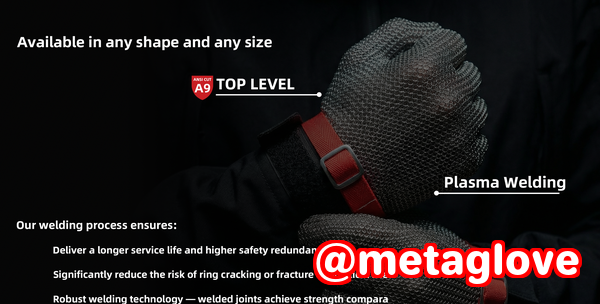
One of the most common challenges when evaluating chainmail is distinguishing between welded rings and open rings. It’s easy to assume all chainmail is the same, but the reality is that welded rings are far stronger and safer than open rings, which can easily come undone.
-
Welded Rings: These are closed by welding the ends of the metal together, making them much stronger and more durable. They don’t unravel or weaken over time.
-
Open Rings: These are simply bent into a circle and can be prone to breaking or unwinding with enough stress.
While open rings may be cheaper, they’re not suitable for high-risk tasks like food processing or industrial work, where durability and protection are paramount.
2. Material Quality
Another pain point is the confusion around stainless steel grades. Not all steel is made the same, and the right choice can mean the difference between a product that stands the test of time and one that deteriorates after a few uses.
-
304 Stainless Steel: A popular choice for decorative and light-duty chainmail, but it’s not as resistant to corrosion as 316 stainless steel.
-
316 Stainless Steel: This is the gold standard when it comes to chainmail used in high-risk processing environments. It offers superior corrosion resistance, making it ideal for food handling and industrial tasks.
Choosing the right material depends on the intended use of the chainmail. For tasks that involve exposure to moisture, chemicals, or extreme temperatures, 316 stainless steel is a must.
3. Weave Patterns
The weave pattern used in a chainmail apron directly impacts its strength and protection capabilities. While there are several different types of weaves, some are stronger than others.
-
European 4-in-1 Weave: This is one of the most common weaves used for chainmail. It’s known for its durability and flexibility, making it an excellent choice for high-risk tasks. The four-in-one design means each ring is connected to four others, creating a robust and interlocking structure.
How to Inspect and Verify Chainmail Quality
The good news is that there are clear and simple methods for inspecting chainmail to ensure you’re getting the quality you expect. Here’s a step-by-step guide that will help you assess the most important aspects of chainmail quality:
1. Check the Material Grade
The first step in any chainmail inspection is to check the material. This may be indicated in the product description or by the manufacturer, but if not, here’s what to look for:
-
Look for Labels or Certifications: High-quality chainmail often includes details about the steel grade. Look for “304” or “316” stamped or marked on the product.
-
Corrosion Test: If you’re unsure about the steel’s quality, you can test for corrosion. Dip the chainmail in a solution of salt water and leave it for a few hours. If rust forms, you may have 304 stainless steel (or even lower quality), which isn’t ideal for high-risk environments.
2. Inspect the Ring Welding
Welded rings are a non-negotiable feature for industrial or high-risk chainmail. Open rings are not only weaker, but they also create safety concerns because they can easily come undone.
-
Visual Check: Inspect each ring to ensure there are no visible gaps or openings. A properly welded ring will look seamless and solid.
-
The Pull Test: Gently tug at the rings to make sure they’re secure. If the rings are welded correctly, they shouldn’t come apart.
3. Examine the Wire Thickness and Inner Diameter
The wire thickness and ring diameter directly affect the overall strength of the chainmail. Too thin, and the chainmail will be weak and more prone to breaking. Too thick, and it may become too rigid or uncomfortable.
-
Measure the Wire Thickness: Ideally, you should look for wire that’s at least 1.5 mm in diameter for industrial use.
-
Measure the Inner Ring Diameter: The ring diameter should be appropriate to the wire thickness. For a strong weave like European 4-in-1, aim for an inner diameter between 8 mm and 10 mm.
4. Assess the Weave Pattern
The weave pattern is where things get interesting, as it can tell you a lot about the strength and durability of the chainmail.
-
European 4-in-1 Weave: This weave is highly recommended for high-risk processing tasks. The four-in-one structure provides strength, flexibility, and comfort.
-
Other Weaves: For less demanding tasks, other weaves may be acceptable, but European 4-in-1 should be the standard for any chainmail intended to withstand heavy use.
The Benefits of Proper Inspection
By following the steps above, you can ensure that the chainmail products you’re buying meet safety and durability standards. Here are some of the key benefits:
-
Safety: Chainmail designed for high-risk tasks should protect you from cuts, abrasions, and other injuries. Proper inspection helps ensure that your chainmail will perform when you need it most.
-
Durability: A well-made chainmail apron will last for years, even with heavy use. By choosing products made from high-quality materials and ensuring the rings are properly welded, you’re investing in longevity.
-
Avoiding Low-Quality Products: Low-quality chainmail may look good on the surface, but it won’t offer the protection or durability that you need. Identifying subpar products early saves you from costly mistakes.
Conclusion
When shopping for chainmail, whether for industrial use, food processing, or cosplay, quality is key. By following the simple steps outlined in this guide, you can ensure that your chainmail products meet safety standards and are built to last. Always look for welded rings, assess the material quality, inspect wire thickness, and verify the weave pattern.
I highly recommend following these steps to ensure any chainmail purchase meets the necessary safety and durability standards. Don’t take chances with low-quality or poorly crafted chainmailyour safety is worth the investment.
Learn more about identifying high-quality chainmail products at Aegimesh. Check out our detailed chainmail inspection guide today.
FAQ
1. How can I tell if a chainmail ring is welded or open?
Look for a solid, seamless ring. Welded rings have no visible gaps, while open rings can be slightly bent or unravel.
2. Which stainless steel grade is best for long-lasting chainmail?
316 stainless steel is ideal for high-risk tasks like food processing and industrial use because of its superior corrosion resistance.
3. How do I inspect the weave pattern for strength?
The European 4-in-1 weave is the most durable and flexible. Each ring is linked to four others, creating a strong interlocking structure.
4. What are the signs of low-quality or unsafe chainmail?
Look for open rings, thin wire, rust, or a weak weave pattern. These are signs that the chainmail may not provide the necessary protection.
5. Can decorative chainmail be used for protective purposes?
Decorative chainmail is typically weaker and may not provide sufficient protection. Always choose industrial-grade chainmail for safety.
6. How do I choose the right chainmail for industrial vs. cosplay use?
For industrial tasks, look for 316 stainless steel with welded rings and a European 4-in-1 weave. For cosplay, lighter options with decorative weaves may be suitable, but they won’t provide the same level of protection.
Keywords:
chainmail quality, welded rings, stainless steel chainmail, cut-resistant chainmail, chainmail inspection, European 4-in-1 weave, chainmail durability