
Chainmail and Stainless Steel Armor Scratches and Wear Over Time
When you think about chainmail, what comes to mind? Perhaps medieval knights, historical reenactments, or even the unique look of cosplay armor? Whatever your connection to chainmail, whether for protection, as a collectible, or for creative projects, one thing is certain: you want the best quality for your investment.
But when purchasing chainmail, especially stainless steel armor, a question always loomshow do you know if it will hold up over time, particularly against scratches, wear, and tear? Can it truly endure the test of time and heavy use, or will you find yourself replacing it sooner than you expected?
As a buyer or collector, you’re likely familiar with the frustrations that come with identifying high-quality chainmail. It’s not always easy to differentiate between genuine, durable pieces and low-quality imitations that can compromise your safety or simply wear out too quickly. With so many products on the market, how do you ensure that the chainmail you choose will stand the test of time?
Luckily, there’s an answer. Aegimesh Chainmail provides a comprehensive guide to help you identify the finest quality products, ensuring that your investment lasts for years. Below, I’ll share some simple tips and tricks to evaluate your chainmail, especially when it comes to stainless steel armor, and ensure that your purchase is one you can rely on.
Common Chainmail Pain Points: Wear, Tear, and Scratches
When evaluating chainmail, it’s easy to feel overwhelmed by the choices. How do you know what’s genuinely sturdy and what will wear down quickly? Here are some common problems that many buyers face when it comes to chainmail quality:
1. Welded vs. Open Rings
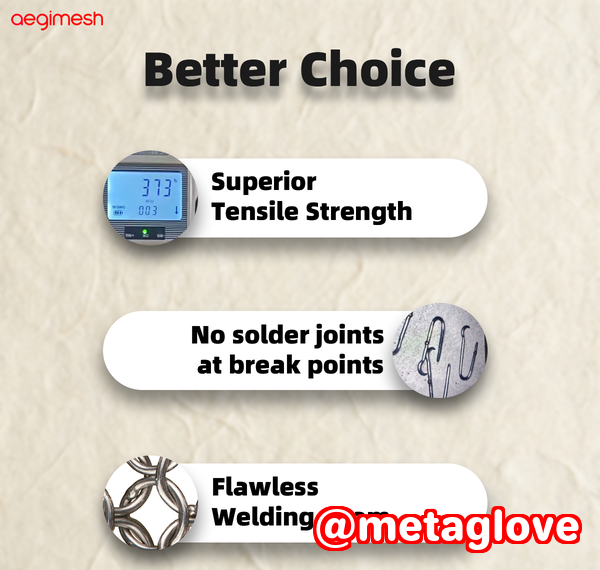
A key factor in durability is whether the rings are welded or open. Open rings are typically weaker, as they can pull apart more easily under stress. Welded rings, on the other hand, are far more durable and are less likely to cause issues over time. The trouble is, some manufacturers cut corners and pass off open-ring chainmail as a premium product, which can leave you with a flimsy, unreliable piece of armor.
2. Stainless Steel Grades and Corrosion Resistance
Not all stainless steel is created equal. When it comes to chainmail, the material’s grade matters significantly. 304 stainless steel is common and relatively corrosion-resistant, but 316 stainless steel is the top choice for more demanding applications, like food processing or industrial use. Knowing which material you’re getting can mean the difference between chainmail that withstands years of use and one that rusts or degrades within a few months.
3. Weak Weaves and Inconsistent Patterns
Weave patterns like the classic European 4-in-1 weave are popular for their strength. However, not all weaves are created with the same level of craftsmanship. A poorly woven piece of chainmail will start to stretch, distort, and lose its integrity over time, especially when exposed to stress. For high-quality chainmail, consistency in the weave pattern is essential to ensuring durability.
How to Inspect Chainmail Quality: Simple Steps to Identify Strength
Now that we know some of the common issues buyers face, let’s dive into how you can identify high-quality chainmail for yourself. Here are some practical tips that will help you evaluate your chainmail purchase effectively:
1. Inspect the Material: 304 vs. 316 Stainless Steel
When it comes to stainless steel, there are different grades to consider. 304 stainless steel is the more affordable option and generally works for decorative chainmail or lower-risk applications. However, 316 stainless steel is far superior when it comes to durability, especially in harsh conditions. It’s highly resistant to corrosion, making it the best choice for industrial use, food processing, and outdoor activities where the chainmail might be exposed to moisture or chemicals.
Pro Tip: You can check if the steel is 316-grade by using a magnet. If it sticks, it’s likely a lower-grade 304 steel. If it doesn’t stick, it’s most likely 316 steel.
2. Check the Rings: Welded or Open?
Next, you’ll want to inspect the rings themselves. Are they welded or open? As I mentioned earlier, welded rings are more durable, offering greater protection and longevity. To perform a simple test, gently try to pull a few rings apart with your fingers. If they open easily, the chainmail likely uses open rings, which means you might want to reconsider.
Pro Tip: If you’re looking for industrial-grade or cut-resistant chainmail, always opt for welded rings.
3. Wire Thickness and Inner Diameter
Another vital aspect of chainmail durability is the thickness of the wire used in the rings. Thin wires will bend, warp, or break much easier than thicker ones. Along with wire thickness, you should also inspect the inner diameter of the rings. A larger inner diameter could lead to a looser weave, reducing the overall strength of the chainmail.
Pro Tip: A thicker wire with a smaller inner diameter usually means a stronger, more robust piece of chainmail, perfect for protection or heavy use.
4. Evaluate the Weave Pattern
The weave pattern used in the construction of chainmail affects its strength significantly. One of the strongest and most common patterns is European 4-in-1, where each ring interlinks with four others. This creates a strong, dense structure that’s highly durable. If you notice a different weave that seems less consistent or uneven, you may be dealing with a lower-quality product.
Pro Tip: Take a close look at the rings. They should all align neatly without gaps or loose connections. A consistent, tightly woven structure indicates higher quality.
Why Chainmail Inspection Matters
At this point, you might be wondering, “Why does it matter so much to check for these factors?” Well, here are a few reasons why inspecting your chainmail is so essential:
-
Safety: Poor-quality chainmail can compromise your safety, especially in industrial or food-processing environments. Weak rings or low-quality materials can easily break or bend, leaving you vulnerable to cuts or injury.
-
Durability: High-quality chainmail will last longer and withstand more use. Whether you’re using it for cosplay or historical reenactments, you want a product that will stand up to the rigors of wear and tear. Proper inspection ensures you’re investing in something that will remain durable.
-
Avoiding Wasted Money: By learning how to inspect chainmail, you can avoid buying a subpar product that might need replacing after only a short period. Spending a little extra time evaluating your purchase can save you a lot of money in the long run.
Conclusion: Ensuring Your Chainmail Purchase is Worth It
I highly recommend following these inspection steps when purchasing any chainmail. Whether you’re using it for industrial protection, cosplay, or historical displays, ensuring the quality of your chainmail is crucial. With these simple techniques, you can confidently identify high-quality, durable pieces that meet safety standards and suit your needs.
If you’re still unsure or need further guidance, Aegimesh Chainmail offers detailed guides and tools to help you evaluate the quality of chainmail products. You can learn more about our inspection process and how to identify premium chainmail by visiting our website: Aegimesh Chainmail.
Check out our detailed chainmail inspection guide today, and make sure your chainmail is built to last!
FAQ
1. How can I tell if a chainmail ring is welded or open?
Welded rings will appear seamless, while open rings will have a visible gap. Gently pull a ring apartif it opens, it’s not welded.
2. Which stainless steel grade is best for long-lasting chainmail?
316 stainless steel is the best option for durability and corrosion resistance, especially in industrial or outdoor environments.
3. How do I inspect the weave pattern for strength?
Look for a consistent, tightly woven pattern. The European 4-in-1 weave is known for its strength and durability. Loose or uneven rings are a red flag.
4. What are the signs of low-quality or unsafe chainmail?
Look for weak rings, inconsistent weaves, and corrosion. Low-quality chainmail might feel flimsy or easily bendable.
5. Can decorative chainmail be used for protective purposes?
Some decorative chainmail may look great but lacks the durability needed for protection. Always inspect it thoroughly to ensure it meets safety standards.
6. How do I choose the right chainmail for industrial vs cosplay use?
For industrial use, prioritize durability, welded rings, and high-quality materials like 316 stainless steel. For cosplay, focus more on comfort and aesthetic appeal, though strength should still be a priority.
Keywords: chainmail quality, welded rings, stainless steel chainmail, cut-resistant chainmail, chainmail inspection, European 4-in-1 weave