
Chainmail Accessories in Slaughterhouse Operations: Ensuring Safety, Durability, and Quality
When working in a slaughterhouse, safety is paramount. Employees face sharp tools, heavy machinery, and unpredictable environments. That’s why the right protective gear is crucial. Chainmail, known for its durability and cut-resistance, is commonly used to protect workers from injuries. However, when it comes to purchasing chainmail, there’s often confusion about how to distinguish high-quality products from the many low-cost, low-quality imitations on the market. As someone who’s spent years working with chainmail, I can tell you, a poor choice can not only lead to unsafe working conditions but also waste your hard-earned money. So, how can you be sure you’re investing in the best chainmail for your operation?
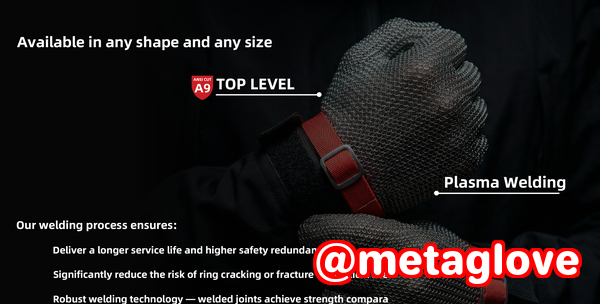
Common Challenges When Choosing Chainmail for Industrial Use
When it comes to industrial chainmail, especially for slaughterhouse operations, there are several common problems buyers face:
-
Welded vs. Open Rings: A lot of low-quality chainmail is made with open rings, which are less durable and may not hold up under industrial pressure. This can lead to chainmail falling apart during use.
-
Understanding Stainless Steel Grades: Not all stainless steel is created equal. Some types corrode easily, while others offer superior resistance to rust and wear.
-
Weak Weaves: The weave pattern is crucial for durability. A poor weave could compromise the protective abilities of the chainmail, leaving workers at risk.
Fortunately, by knowing how to evaluate these features, you can make an informed decision and avoid low-quality products that may jeopardize both safety and efficiency.
How to Evaluate Chainmail Quality: A Step-by-Step Guide
So, how can you confidently inspect chainmail to ensure it meets the highest standards? Let’s break it down:
1. Material Type: Stainless Steel Grades
One of the first things you should check is the type of material used. Stainless steel is the best option for chainmail because of its corrosion resistance and durability. However, not all stainless steel is the same.
-
304 Stainless Steel: This is the most common and least expensive grade. It’s generally durable but may corrode faster when exposed to certain conditions (e.g., salty environments).
-
316 Stainless Steel: This is a higher-grade stainless steel, offering superior corrosion resistance. If you’re using chainmail in a high-moisture environment like a slaughterhouse, 316 steel is highly recommended as it will withstand wear and rust much better than 304.
The material should be clearly indicated by the manufacturer. If it’s not, that’s a red flag.
2. Welded Rings vs. Open Rings
It’s essential to ensure that the chainmail is made with welded rings. Open rings (those that aren’t fully closed) are less durable and can break more easily under stress.
-
Welded Rings: These are much stronger and provide better protection. The welding ensures that the rings won’t separate even under high stress, making them ideal for industrial applications like slaughterhouses.
-
Open Rings: These are generally used for decorative chainmail and cosplay, where durability isn’t as crucial. Using open rings in a work environment could lead to serious safety risks.
The best way to check this is simply by inspecting the rings. If you can see a visible seam, it’s an open ring. If it looks smooth with no break in the metal, it’s welded.
3. Wire Thickness and Inner Diameter
The thickness of the wire and the inner diameter of the rings are both crucial factors in the strength and durability of the chainmail.
-
Wire Thickness: A thicker wire usually means more strength and protection. For industrial use, you want the wire to be thick enough to withstand the kind of pressure and wear it will face.
-
Inner Diameter: The inner diameter of the rings determines how tightly the rings are woven together. If the rings are too large, the weave may not hold up well under pressure.
For the highest durability, look for a wire thickness that matches your intended use. The inner diameter should also fit snugly, ensuring that the weave is tight and solid.
4. Weave Pattern: European 4-in-1
The weave pattern is the next factor to consider. There are different weave styles used in chainmail, but the European 4-in-1 weave is the most common and the most durable.
-
European 4-in-1: In this weave, each ring passes through four other rings, creating a strong, interconnected pattern. It’s known for its durability and strength, making it perfect for industrial use.
-
Other Weaves: There are other patterns like 6-in-1 or 8-in-1, but these are generally less flexible and may not offer the same level of protection.
When inspecting the weave, make sure the rings interlock smoothly without any gaps. A tight, even pattern ensures a stronger protective barrier.
5. Signs of Low-Quality Chainmail
While inspecting the chainmail, keep an eye out for these warning signs that indicate poor craftsmanship:
-
Rust or Corrosion: If the chainmail has visible rust or signs of corrosion, it’s a clear indicator that the stainless steel grade is subpar or that the chainmail has been poorly maintained.
-
Loose Rings: If you can easily pull a ring loose, that’s a sign that the welding is weak or the rings are not properly interlocked.
-
Inconsistent Weaving: If the weave looks uneven or disorganized, it could mean that the chainmail will break down faster under use.
Don’t just go for the cheapest option. The long-term safety and durability of your team’s protective gear are worth the extra investment.
6. Testing the Chainmail
A simple pull test can help you gauge the strength of the chainmail. Grab a handful of rings and gently pull. If the chainmail remains intact without any rings pulling apart or breaking, it’s a good sign of quality. If the rings start to separate or bend, then you may want to reconsider your purchase.
Additionally, check the overall weight of the chainmail. High-quality chainmail should feel substantial but not too heavy to wear comfortably during work.
Conclusion: Investing in High-Quality Chainmail
After inspecting all these factorsmaterial, welding, wire thickness, ring diameter, and weave patternyou should have a good understanding of the chainmail’s quality. I highly recommend following these steps to ensure that any chainmail purchase you make meets safety and durability standards.
Aegimesh Chainmail offers the best of both worlds: safety and durability. With our guide and inspection tool, you can easily evaluate chainmail products for industrial cut protection, food handling, or even cosplay. Don’t settle for anything less than the best.
Learn more about identifying high-quality chainmail products: Aegimesh Chainmail
Check out our detailed chainmail inspection guide today.
Frequently Asked Questions (FAQ)
-
How can I tell if a chainmail ring is welded or open?
-
Inspect the ring closely. If you can see a visible seam or opening, it’s an open ring. Welded rings will have no visible gap, as the ends are fused together.
-
-
Which stainless steel grade is best for long-lasting chainmail?
-
For long-lasting durability, 316 stainless steel is the best option as it offers superior corrosion resistance compared to 304 stainless steel.
-
-
How do I inspect the weave pattern for strength?
-
Look for a tight, consistent weave pattern, such as the European 4-in-1, where each ring is interwoven with four other rings. This provides strength and durability.
-
-
What are the signs of low-quality or unsafe chainmail?
-
Rust, loose rings, or inconsistent weaving are all signs of low-quality chainmail that won’t provide the necessary protection.
-
-
Can decorative chainmail be used for protective purposes?
-
While decorative chainmail may look appealing, it’s typically made from open rings and thinner wire, making it unsuitable for protective use.
-
-
How do I choose the right chainmail for industrial vs cosplay use?
-
For industrial use, focus on welded rings, thicker wire, and strong, tight weaves. For cosplay, decorative chainmail with open rings may be sufficient, but it won’t provide safety protection.
-
Tags: chainmail quality, welded rings, stainless steel chainmail, cut-resistant chainmail, chainmail inspection, European 4-in-1 weave, chainmail durability