
Chainmail Accessories for Complete Safety Coverage
When purchasing chainmail for protection or display, I often struggle to know which products are genuinely high-quality. With so many options out there, it’s easy to get overwhelmed by the sheer variety of chainmail types, materials, and weaves. Whether you’re looking for something that’ll protect you on the job, add the perfect touch to your cosplay, or complete a historical collection, the last thing you want is to waste money on something that isn’t up to the task.
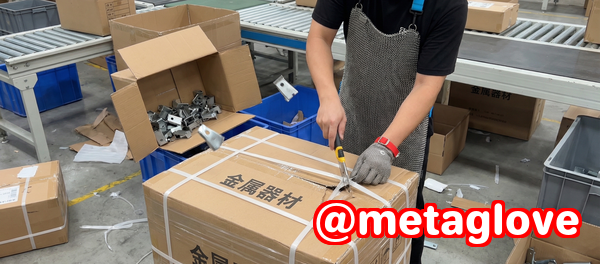
But fear notknowing how to evaluate the quality of chainmail doesn’t have to be difficult. With a little guidance and a few simple inspection steps, you can confidently choose the best chainmail products for safety, durability, and aesthetic appeal. In this article, I’ll walk you through everything you need to know, from the material type to the all-important weave patterns.
Understanding Chainmail Quality
Before diving into the specifics of inspecting chainmail, let’s take a step back and understand the factors that determine its quality. When you’re buying chainmail for protection, whether in industrial settings or food handling, or for decorative purposes like cosplay, you need to be sure that what you’re buying is durable, strong, and safe. Low-quality chainmail can leave you exposed to injury or damage, while the wrong type might not even serve its intended purpose.
Common Pain Points in Chainmail Selection
When evaluating chainmail, a few common concerns often come up:
-
Welded Rings vs. Open Rings: One of the first things people notice is whether the rings are welded or open. While welded rings offer more durability, open rings may be cheaper but compromise strength.
-
Stainless Steel Grades: Not all stainless steel is created equal. The grade of stainless steel used in chainmail affects its corrosion resistance, durability, and overall performance. Is it 304 stainless steel or 316 stainless steel? What difference does that make?
-
Weave Patterns and Durability: The weave pattern plays a huge role in the strength and flexibility of chainmail. Some patterns, like the European 4-in-1, are known for their reliability, while others might not be as sturdy.
These issues can make it difficult to know what you’re really getting when you purchase chainmail. But with a few easy tips, you’ll be able to inspect and verify the quality of your chainmail before committing to a purchase.
Aegimesh Chainmail: Your Quality Guide
Aegimesh Chainmail has created a comprehensive guide and inspection tool designed to help buyers, collectors, and industrial users evaluate chainmail products based on key factors like material, weld quality, wire thickness, and weave patterns. This guide ensures that you’re buying chainmail that’s not only high-quality but also safe for your intended use, whether that’s for industrial cut protection, cosplay, or historical replicas.
Let’s break down the key elements of evaluating chainmail quality.
1. Material Type: 304 vs. 316 Stainless Steel
When choosing chainmail, you’ll often see two grades of stainless steel mentioned: 304 and 316. Both are popular, but what sets them apart?
-
304 Stainless Steel: This is the most commonly used type of stainless steel for chainmail. It’s durable and resistant to corrosion, making it a solid choice for many applications. However, it’s not as resistant to corrosion in highly saline environments (like saltwater) compared to 316 steel.
-
316 Stainless Steel: This is the superior grade when it comes to corrosion resistance. If your chainmail is going to be used in environments exposed to saltwater or extreme weather, 316 stainless steel is your best bet. It’s also more durable in high-heat and high-stress situations, making it a great option for industrial settings.
2. Welded Rings vs. Open Rings
One of the first things you’ll want to look at is whether the rings are welded or open. Welded rings are generally stronger because they are permanently fused together, offering a higher level of protection. On the other hand, open rings can sometimes be more affordable but are not as durable because they can come apart over time, compromising the integrity of the chainmail.
Tip: To test whether a ring is welded or open, gently tug on it. Welded rings should remain intact, while open rings will pull apart.
3. Wire Thickness and Ring Diameter
The wire thickness and the inner diameter of the rings are crucial factors that affect the strength of the chainmail. Thicker wires and smaller ring diameters tend to offer better protection, but they may also be heavier and more rigid. For industrial use, you’ll want to look for thicker wires that can withstand heavy impacts or sharp objects. On the other hand, if you’re buying chainmail for cosplay or decoration, you might prioritize lighter, more flexible chainmail.
-
Thicker wires generally offer better protection.
-
Larger ring diameters can be more comfortable but might not offer the same level of protection as smaller rings.
Tip: Inspect the chainmail closely for any irregularities in the ring diameter. Even small inconsistencies can affect durability and performance.
4. Weave Patterns
The weave pattern is one of the most important elements when assessing chainmail strength. The most common weave is the European 4-in-1 pattern, where each ring is interwoven with four others, creating a sturdy and flexible grid. This pattern is known for its balance of strength and mobility.
Other patterns may offer varying degrees of strength, but none are as widely trusted as the European 4-in-1. When choosing chainmail, make sure to inspect the weave closely for any signs of inconsistency or missed rings.
Tip: When inspecting the weave, check for any loose rings or irregular patterns. This could indicate poor craftsmanship and a lack of attention to detail.
5. Perform a Simple Pull Test
To make sure your chainmail is up to the task, try this simple pull test:
-
Grasp a section of the chainmail and give it a firm tug.
-
The rings should hold tightly together, without any rings separating or loosening.
-
If any rings come apart or the weave shows signs of slackness, it’s a sign of poor quality.
Tip: If you’re buying chainmail for industrial or safety purposes, this step is a must. Chainmail that falls apart under pressure can be a serious hazard.
Why Quality Matters
Investing in high-quality chainmail isn’t just about getting a great look for cosplay or historical reenactments. It’s about ensuring that the chainmail will perform when needed most. Whether you’re using chainmail for industrial cut protection or handling delicate food items, poor-quality chainmail can lead to safety risks, discomfort, and a waste of money.
-
Safety: Low-quality chainmail may not provide the level of protection you need, whether you’re in a high-risk industrial environment or cooking in a food processing facility.
-
Durability: Investing in well-made chainmail ensures that it will last longer, saving you from the cost of frequent replacements.
-
Cost Savings: By identifying poor-quality chainmail before purchase, you avoid wasting money on items that won’t serve their intended purpose.
Conclusion: Making Informed Chainmail Purchases
In conclusion, evaluating chainmail for quality doesn’t have to be overwhelming. By following the simple steps outlined abovechecking material type, inspecting welds, assessing wire thickness, and evaluating weave patternsyou can make an informed choice that ensures your chainmail is durable, safe, and up to the task.
I highly recommend following these steps to ensure any chainmail purchase meets safety and durability standards. Whether you’re buying chainmail for industrial use, cosplay, or historical purposes, taking the time to inspect your purchase will save you money and ensure your safety.
Learn more about identifying high-quality chainmail products: Aegimesh Chainmail Inspection Guide.
Frequently Asked Questions
1. How can I tell if a chainmail ring is welded or open?
Welded rings are permanently fused, while open rings can be pulled apart with enough force. A quick tug will reveal which type you have.
2. Which stainless steel grade is best for long-lasting chainmail?
316 stainless steel is the best option for corrosion resistance and durability, especially in harsh environments. However, 304 stainless steel is still a solid choice for most general uses.
3. How do I inspect the weave pattern for strength?
Look for a consistent, tight weave with no loose or missing rings. The European 4-in-1 pattern is a trusted standard for its strength and flexibility.
4. What are the signs of low-quality or unsafe chainmail?
Look for inconsistencies in ring size, poor welds, and a loose or irregular weave. Any signs of corrosion or rust also indicate subpar quality.
5. Can decorative chainmail be used for protective purposes?
Decorative chainmail is typically not as durable as protective chainmail and may not offer the necessary strength for safety. Always check the weave and material quality if you’re using it for protection.
6. How do I choose the right chainmail for industrial vs cosplay use?
For industrial use, prioritize thicker wire, welded rings, and durable weave patterns like European 4-in-1. For cosplay, flexibility and lightweight materials may be more important.
Tags or Keywords:
chainmail quality, welded rings, stainless steel chainmail, cut-resistant chainmail, chainmail inspection, European 4-in-1 weave, chainmail durability