
A Comprehensive Guide to Steel Chainmail Armor for Beginners
When you’re considering buying chainmail for protection, display, or cosplay, it can feel like a daunting task to figure out which pieces are genuinely high-quality and which ones might not be worth the investment. You may find yourself staring at a chainmail piece, wondering if the rings are securely welded or if the weave will hold up under stress. We’ve all been theretrying to make a decision with limited knowledge, unsure if we’re spending our money wisely.
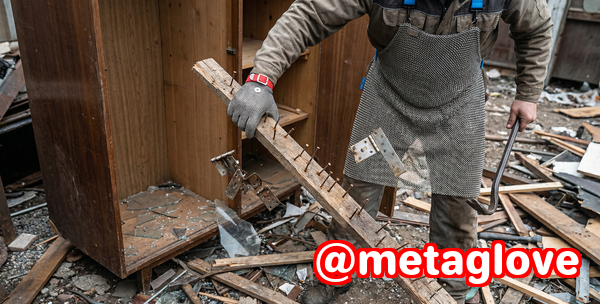
That’s why I’ve put together this guide to help you navigate the often-confusing world of chainmail armor. Whether you’re in the market for industrial-grade cut protection, decorative cosplay pieces, or a historical replica, the quality of chainmail can vary drastically. This guide will help you spot the signs of a top-notch product and avoid low-quality or unsafe options.
Understanding Chainmail Quality
Chainmail has been around for centuries, used historically for protection in battle. In today’s world, chainmail serves a range of purposes, from cut-resistant gloves used in industrial settings to intricate pieces worn for cosplay. The problem? Not all chainmail is created equal.
It’s easy to be fooled by shiny pieces or what seems like a great deal. However, when it comes to materials like stainless steel, weaves, and ring quality, there are several factors you need to understand. Here’s what you should know:
Common Issues When Evaluating Chainmail
-
Welded vs Open Rings
Many buyers confuse welded rings with open rings. Open rings might look okay but can unravel much more easily. The welds are an essential part of the ring’s durability and strength.
-
Stainless Steel Grades
Not all stainless steel is the same. The difference between 304 and 316 grades can mean a huge difference in durability and corrosion resistance. It’s important to understand which type you’re dealing with before making a purchase.
-
Inconsistent Weaves
A beautiful piece of chainmail isn’t just about looksit’s about durability. Weaves like European 4-in-1 provide excellent strength, but some poorly made weaves might cause weak points that compromise protection.
Inspecting Chainmail: The Step-by-Step Process
When you’re inspecting chainmail, there are a few key aspects that will tell you whether you’re dealing with a high-quality product or something that might not stand the test of time. Let’s break it down:
1. Material Check: Stainless Steel Grades (304 vs 316)
Stainless steel is the most common material used for chainmail, but not all grades offer the same level of performance. The two most common grades you’ll find are 304 and 316 stainless steel.
-
304 Stainless Steel: While 304 is a solid option for most uses, it can be prone to corrosion in harsher environments, such as those with exposure to moisture or chemicals. However, it’s great for general-purpose applications like cosplay and display.
-
316 Stainless Steel: If you’re looking for something more durable, especially for industrial or food handling, 316 stainless steel is the best choice. It’s highly resistant to corrosion, making it perfect for environments where moisture and chemicals are a concern.
How to Check: Look for specifications in the product description or ask the seller about the grade of stainless steel used in the chainmail. For heavy-duty industrial or food-related use, 316 is the better choice.
2. Inspecting Ring Quality: Welded vs Open
The most important part of any chainmail is the rings. But how can you tell if they’re welded or open? Here’s the trick:
-
Welded Rings: The ends of welded rings are fused together, which makes them incredibly strong and durable. This is the gold standard for most chainmail applications.
-
Open Rings: These are simply bent into a circle and left open. While they may look similar at first glance, they can weaken over time, especially under stress.
How to Check: Gently tug on a few rings. If you feel any give or movement at the ends, you likely have open rings. Welded rings will remain firm and secure.
3. Checking Wire Thickness & Ring Diameter
The wire thickness and ring diameter can tell you a lot about the chainmail’s durability.
-
Wire Thickness: Thicker wires generally provide more protection. For instance, chainmail used in food processing or industrial settings requires thicker wires for cut resistance.
-
Ring Diameter: The inner diameter of the rings should be appropriately sized for the weave type. For example, a European 4-in-1 weave requires a ring diameter that will allow the weave to sit securely without being too tight or too loose.
How to Check: Use a ruler or micrometer to measure the wire thickness and inner diameter. Compare these measurements to the specifications listed for different types of chainmail to ensure you’re getting the right fit.
4. Evaluating Weave Patterns for Strength
One of the most well-known and reliable weaves is European 4-in-1. This pattern involves each ring connecting to four others, creating a durable and strong fabric. Weaves like these can help the chainmail withstand impact and stress. But be carefulsome weaves may look similar but lack the strength of true European 4-in-1.
How to Check: Visually inspect the pattern of the chainmail. The European 4-in-1 should have a uniform and consistent appearance. If any rings appear misaligned or loose, that’s a red flag.
Why Proper Chainmail Inspection Matters
Properly inspecting chainmail can make a huge difference, whether you’re buying it for industrial purposes, cosplay, or even as a collector’s item. By identifying high-quality products, you ensure:
-
Safety: Low-quality chainmail might compromise protection. In industrial settings or for historical replicas, ensuring strength and durability is essential to avoid injuries.
-
Durability: Quality chainmail lasts longer. You’ll save money by avoiding low-quality, poorly made products that wear out or rust quickly.
-
Better Investment: If you’re looking for decorative pieces, you can be sure that your investment will look good for years to come.
Conclusion: Your Next Steps for Finding High-Quality Chainmail
By following the steps in this guide, you’ll be able to evaluate any chainmail product like a pro. Whether you’re shopping for safety gear or decorative pieces, knowing what to look for in material quality, welds, and weave strength can help you make an informed decision.
I highly recommend following these steps to ensure any chainmail purchase meets safety and durability standards. Whether you’re working in an industrial setting, involved in cosplay, or building a historical collection, these methods will save you from wasting money on low-quality chainmail.
Want to learn more about identifying high-quality chainmail? Check out our detailed chainmail inspection guide today at Aegimesh.
FAQ
How can I tell if a chainmail ring is welded or open?
Inspect the ends of the rings. Welded rings are fused together and will not move, while open rings will have visible gaps that can be pulled apart.
Which stainless steel grade is best for long-lasting chainmail?
For durability, 316 stainless steel is the best choice. It’s more resistant to corrosion than 304 stainless steel, making it ideal for industrial or food-handling environments.
How do I inspect the weave pattern for strength?
Look for uniformity in the pattern. A strong weave, like the European 4-in-1, will have each ring securely connected to four others, without any gaps or loose rings.
What are the signs of low-quality or unsafe chainmail?
Signs of low-quality chainmail include loose rings, inconsistent weaves, rust or corrosion, and weak welds that might break under stress.
Can decorative chainmail be used for protective purposes?
Decorative chainmail is generally not intended for protection. Always look for specifications that detail the grade of steel, wire thickness, and weave pattern if you need protective chainmail.
How do I choose the right chainmail for industrial vs cosplay use?
For industrial use, prioritize thick, welded rings made from 316 stainless steel with a European 4-in-1 weave for strength. For cosplay, look for a lighter weave and thinner wire for comfort and appearance.
Tags or Keywords:
chainmail quality, welded rings, stainless steel chainmail, cut-resistant chainmail, chainmail inspection, European 4-in-1 weave