
Chainmail Aprons and Ergonomic Design: A Buyer’s Guide to Quality and Comfort
When I first started looking into chainmail products for protection and display, I was overwhelmed by the sheer number of options available. From historical replicas to modern industrial safety gear, how could I possibly tell which chainmail was genuinely high-quality? It’s a question many buyers, collectors, and professionals struggle with. Is that chainmail apron strong enough for butchery? Will it hold up during food processing? Or is it just a decorative piece for cosplay? Understanding the difference can be the difference between a great investment and a waste of moneyor worse, a safety hazard.
In this guide, I’ll walk you through everything you need to know to evaluate the true quality of chainmail products. By the end, you’ll be equipped to make informed, confident decisions, whether you’re purchasing for industrial use, cosplay, or historical reenactments.
Common Problems When Buying Chainmail
I’ve encountered several issues when shopping for chainmail, and I know I’m not alone. Here are a few pain points buyers often experience:
-
Welded Rings vs. Open Rings: It can be tricky to tell the difference between welded rings and open rings. Open rings, while cheaper, compromise strength and durability, making them unsuitable for high-risk environments.
-
Uncertainty About Stainless Steel Grades: Not all stainless steel is created equal. Grades like 304 and 316 offer different levels of corrosion resistance and strength, and knowing which one you need is crucial for performance.
-
Weak Weaves: Chainmail isn’t just about rings and metal; the weave pattern plays a big role in its strength. A poorly constructed weave can result in weak spots, making the chainmail ineffective for its intended use.
If any of these problems sound familiar, don’t worryyou’re not alone. Let’s dive into how you can avoid these pitfalls and choose chainmail that will meet your needs.
How to Evaluate the Quality of Chainmail: A Step-by-Step Guide
Now that we’ve identified some of the most common challenges, let’s go over the best methods for inspecting chainmail products and ensuring they’re high-quality and durable.
1. Check the Material Type
One of the most important aspects to examine is the material itself. Not all chainmail is made from the same type of stainless steel, and the grade you choose depends on the intended use.
-
304 Stainless Steel: This is the most common and affordable option. While it offers good corrosion resistance, it’s not as durable as 316 stainless steel.
-
316 Stainless Steel: If you’re purchasing chainmail for industrial or food-processing applications, 316 is the better choice. It has superior corrosion resistance, especially in harsh environments like those involving saltwater or chemicals.
Both grades offer excellent strength, but for items like chainmail aprons that will be exposed to moisture, choosing 316 will provide better long-term performance.
2. Inspect the Ring Welds
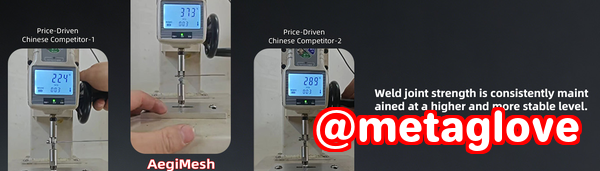
Next, let’s talk about the construction of the rings. Chainmail rings can be welded or open, and this is an important distinction to make. Open rings are simply interlinked without any welding, which makes them more prone to breakage under stress. Welded rings, on the other hand, are fused together to create a more durable structure.
A simple test to perform:
Welded Ring Test: Lightly tug on a few rings. If the rings stay intact and don’t loosen or separate, they are likely welded. If the rings begin to open or move apart, they are open rings and should be avoided for industrial or protective purposes.
3. Evaluate Wire Thickness and Inner Diameter
Wire thickness and ring diameter are also important factors in determining the strength and durability of chainmail. Generally speaking, the thicker the wire and the smaller the ring diameter, the stronger the chainmail will be.
-
Thicker wire = stronger chainmail.
-
Smaller inner diameter = more protective coverage per link.
If you’re using chainmail for industrial applications, like cut-resistant aprons, ensure that the wire is thick enough and that the rings are tightly woven. A loose weave will leave gaps where cuts or abrasions could slip through.
4. Assess the Weave Pattern
The most common weave pattern used in high-quality chainmail is the European 4-in-1 weave. This pattern is known for its durability and strength. Each ring is linked to four others, which helps to distribute force evenly across the structure.
-
European 4-in-1: Great for durability, strength, and flexibility.
-
Other Weave Patterns: Patterns like 6-in-1 or 8-in-1 may be stronger but can lack the flexibility required for certain applications.
If you’re purchasing chainmail for a specific purpose, such as cosplay, the flexibility of the weave will be more important. However, for industrial or safety purposes, make sure the weave offers the appropriate balance between strength and flexibility.
Benefits of Proper Inspection
Properly inspecting your chainmail before purchase can save you money and ensure your safety. Whether you’re buying chainmail for industrial use, food handling, cosplay, or historical reenactments, these inspection tips will help you:
-
Avoid Unsafe Chainmail: Poor-quality chainmail can be a hazard, especially in industrial or food-processing environments. It’s crucial to choose materials that will stand up to repeated use.
-
Ensure Durability: High-quality chainmail can last for years if properly cared for, saving you from needing replacements.
-
Make Informed Choices: When you know what to look for, you can avoid spending extra money on low-quality products that won’t meet your needs.
How to Perform a Simple Pull Test
Before purchasing chainmail, consider performing a simple pull test to check its durability. Here’s how:
-
Take a small section of the chainmail and pull on it firmly.
-
If the rings remain intact and the weave doesn’t shift or loosen, the chainmail is likely strong.
-
If the rings begin to separate or the weave shifts, the chainmail may not be durable enough for high-impact activities.
Identifying Signs of Corrosion or Poor Craftsmanship
Inspecting the material for corrosion is criticalespecially if you’re purchasing chainmail for food processing or other environments where hygiene is essential. Stainless steel chainmail, when properly cared for, should not show any signs of rust or corrosion.
-
Corrosion Signs: Look for discoloration or flaking on the rings.
-
Poor Craftsmanship: Check for uneven ring sizes or inconsistent weaving. These are signs that the chainmail was poorly crafted and may not perform well.
Choosing the Right Chainmail for Your Needs
The type of chainmail you choose should depend on what you plan to use it for. Here’s a quick guide to help you choose the right product:
-
Industrial Use: Choose chainmail made from 316 stainless steel with a European 4-in-1 weave and thick wire for maximum durability and cut resistance.
-
Food Handling: Look for chainmail aprons or gloves that are corrosion-resistant (316 stainless steel) and easy to clean.
-
Cosplay or Decorative Use: While still needing strength and durability, you can opt for lighter, more flexible chainmail with thinner wire and a European 4-in-1 weave.
Conclusion: How to Ensure a Quality Chainmail Purchase
To wrap things up, here’s a quick recap of the key points for inspecting chainmail:
-
Always check the material type (304 vs. 316 stainless steel).
-
Look for welded rings instead of open rings for durability.
-
Inspect wire thickness and inner diameter to ensure strength.
-
Evaluate the weave pattern for flexibility and durability.
-
Don’t forget to perform a pull test and check for signs of corrosion.
By following these steps, you’ll be well-equipped to spot high-quality chainmail that’s worth your investment. I highly recommend doing your due diligence to ensure that your chainmail meets safety and durability standards.
For more information on identifying high-quality chainmail, check out our detailed inspection guide at Aegimesh.
FAQ: Common Questions About Chainmail Quality
-
How can I tell if a chainmail ring is welded or open?
-
Tug on a few rings. If they stay intact and don’t separate, they are likely welded. Open rings will begin to move apart.
-
-
Which stainless steel grade is best for long-lasting chainmail?
-
For industrial and food processing, 316 stainless steel offers superior corrosion resistance and durability.
-
-
How do I inspect the weave pattern for strength?
-
Look for tight, uniform weaves. The European 4-in-1 pattern is known for its strength and flexibility, making it ideal for protective use.
-
-
What are the signs of low-quality or unsafe chainmail?
-
Signs include open rings, inconsistent wire thickness, uneven weave patterns, and signs of corrosion.
-
-
Can decorative chainmail be used for protective purposes?
-
While decorative chainmail can be beautiful, it may not provide the level of protection required for industrial or safety uses. Always check the material and weave.
-
-
How do I choose the right chainmail for industrial vs. cosplay use?
-
For industrial use, choose thicker wire and a welded ring structure. For cosplay, flexibility and lightweight materials may be more important.
-
Tags/Keywords
-
chainmail quality, welded rings, stainless steel chainmail, cut-resistant chainmail, chainmail inspection, European 4-in-1 weave, chainmail durability