
Mesh Boning Aprons Designed with Ring Mesh for Enhanced Durability
When it comes to selecting high-quality chainmail products, the process can be a bit overwhelming. Whether you’re purchasing chainmail for protection in an industrial setting, as part of a cosplay costume, or for use in food processing, there are plenty of decisions to make. One of the most common issues I’ve heard from buyers is this: “How can I tell if I’m getting a good-quality piece of chainmail?” It’s a fair question, as the quality of chainmail can vary greatly depending on its intended purpose. But fear notby knowing a few key details, you can confidently assess the durability and safety of any chainmail product before making a purchase.
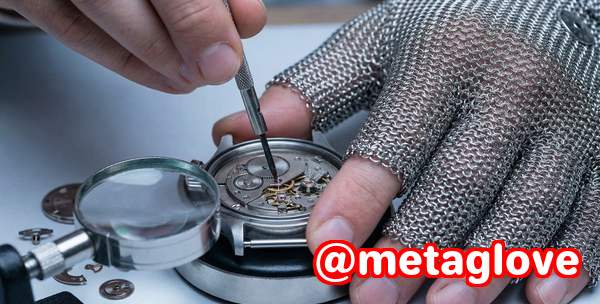
Understanding Chainmail Quality: Why It Matters
When evaluating chainmail, buyers face multiple challenges. For instance, it can be tough to distinguish between welded rings and open rings, or to understand the difference between various grades of stainless steel. To make matters worse, not all chainmail is created for the same purpose. Some are meant for protection against cuts in high-risk environments, while others are designed for decorative or historical use. Therefore, knowing how to assess quality is crucial.
Aegimesh Chainmail offers a comprehensive guide to help you navigate this process. The guide teaches you how to evaluate everything from the type of material used to the weave patterns. This can help you avoid the pitfalls of purchasing low-quality or unsafe products and ensure that you’re investing in something durable, safe, and fit for your needs.
Pain Points: Common Challenges When Evaluating Chainmail
Let’s dive into some common difficulties that buyers face when shopping for chainmail. These challenges are often tied to a lack of knowledge about the material, manufacturing processes, or use case for the chainmail.
-
Welded Rings vs. Open Rings
One of the most common mistakes I see is people mistaking open rings for welded rings. Open rings can easily unravel, making them unsuitable for protective or industrial use. On the other hand, welded rings are far more durable and reliable for safety applications. It can be tricky to tell them apart if you’re not familiar with the structure, but there are some quick tests you can do to check.
-
Choosing the Right Stainless Steel
Not all stainless steel is created equal. If you’re choosing chainmail for industrial use, food processing, or cut resistance, you’ll want to look for high-quality stainless steel like 304 or 316. These grades offer different levels of corrosion resistance, and the wrong one can lead to rusting or deterioration over time. 316 stainless steel, for example, offers superior corrosion resistance and is ideal for environments exposed to moisture or chemicals.
-
Weak or Inconsistent Weaves
Chainmail is made by weaving metal rings together in patterns. One of the strongest and most popular weaves is the European 4-in-1 pattern, which provides an excellent balance of strength and flexibility. However, not all chainmail weaves are created equal. Some weaves may look similar, but they might not offer the same level of durability or protection, especially in industrial applications.
How to Inspect Chainmail for Quality
The good news is that evaluating chainmail quality doesn’t have to be complicated. Here are some straightforward methods you can use to assess a chainmail product:
-
Check the Material Type
Start by determining the type of material used in the chainmail. High-quality chainmail should be made from stainless steel. As mentioned earlier, 304 and 316 stainless steel are the best options for durability and resistance to corrosion. To check, you can try using a magnet304 stainless steel is non-magnetic, while 316 is even more resistant to corrosion.
-
Inspect the Rings
Look at the rings closely. They should be uniform and consistent in shape. Welded rings are the best choice for strength, as they won’t open up over time. To check if the rings are welded, you can try pulling on them. If the ring opens slightly, it’s an open ring. If the ring is solid and doesn’t move, it’s a welded ring.
-
Evaluate the Wire Thickness
The thickness of the wire used in the rings is another important factor in determining the chainmail’s durability. Thicker wires generally offer better protection, but it’s important to ensure that the thickness is consistent throughout the product. Thin wire can compromise the strength of the entire weave.
-
Measure the Inner Diameter
The inner diameter of each ring should be uniform. A variation in diameter can cause weak spots in the weave, leading to failure over time. You can use a caliper to measure the inner diameter of the rings and ensure they are consistent.
-
Check the Weave Pattern
Different weaves offer varying levels of protection. The European 4-in-1 pattern is widely regarded as one of the strongest, providing a solid grid that resists cuts and abrasions. However, there are other patterns to consider depending on your intended use. For example, 6-in-1 or 8-in-1 weaves provide even greater protection but may be less flexible.
-
Perform a Pull Test
One simple test you can do is the pull test. Grab a few rings and gently tug on them. They should stay in place and not slip or break under normal pressure. If you feel any give, it’s a sign that the chainmail may not be strong enough for its intended use.
-
Look for Signs of Corrosion or Poor Craftsmanship
Corrosion can be a major issue, especially if the chainmail is exposed to moisture or chemicals. Check for any rust spots, discoloration, or signs of pitting on the surface of the rings. Also, look for any inconsistent weaving or uneven spacing, as these are signs of poor craftsmanship.
Why Proper Chainmail Inspection Matters
By following these simple inspection steps, you can avoid costly mistakes and ensure that you’re getting the right product for your needs. Here are just a few reasons why it’s worth investing the time to properly inspect chainmail before making a purchase:
-
Safety: Low-quality chainmail can fail under stress, putting you at risk. Whether you’re using it for industrial purposes or food handling, a properly inspected piece of chainmail will give you peace of mind.
-
Durability: High-quality chainmail is built to last. By ensuring that your product is made with welded rings and the right material, you’re investing in something that will withstand wear and tear.
-
Cost Savings: Buying cheap, low-quality chainmail can lead to frequent replacements. By learning how to spot quality items, you can save money in the long run.
Conclusion: Ensuring Durability and Safety
When shopping for chainmail, always remember to inspect the material, rings, wire thickness, and weave patterns. A little time spent on these steps will help you identify high-quality products that meet your safety and durability standards. I highly recommend following these steps to ensure any chainmail purchase meets your expectations for strength and reliability.
Want to learn more about identifying top-quality chainmail? Check out Aegimesh’s detailed chainmail inspection guide at www.aegimesh.com.
FAQs
-
How can I tell if a chainmail ring is welded or open?
To check if the rings are welded, gently tug on the rings. Welded rings will stay solid, while open rings can be pulled apart.
-
Which stainless steel grade is best for long-lasting chainmail?
For optimal corrosion resistance, 316 stainless steel is ideal. It is stronger and more resistant to moisture and chemicals than 304 stainless steel.
-
How do I inspect the weave pattern for strength?
The European 4-in-1 weave is one of the strongest options. Check the consistency and tightness of the pattern to ensure durability.
-
What are the signs of low-quality or unsafe chainmail?
Look for weak rings, inconsistent wire thickness, poor craftsmanship, or signs of corrosion. These are indicators that the chainmail might not be durable or safe.
-
Can decorative chainmail be used for protective purposes?
Decorative chainmail is usually made with weaker materials and may not offer sufficient protection. Always verify the material and weave before using it for protection.
-
How do I choose the right chainmail for industrial vs. cosplay use?
For industrial use, choose chainmail made from high-quality stainless steel with welded rings and a strong weave pattern like European 4-in-1. For cosplay, durability may be less important, but you’ll still want a product that’s comfortable and visually accurate.
-
What’s the best way to maintain chainmail?
Keep your chainmail clean and dry, and regularly inspect it for signs of wear or corrosion. Proper maintenance will extend its lifespan.
Tags:
-
chainmail quality
-
welded rings
-
stainless steel chainmail
-
cut-resistant chainmail
-
chainmail inspection
-
European 4-in-1 weave