
Protective Gear Ring Mesh and Mesh Boning Aprons Explained
When purchasing chainmail for protection or display, I often struggle to know which products are genuinely high-quality. The market is filled with varying levels of craftsmanship, making it tricky to spot the best options from the low-quality imitations. Whether you’re looking for cut-resistant industrial protection, cosplay pieces, or historical replicas, understanding how to evaluate chainmail quality can save you money, time, and potentially prevent safety hazards.
In this guide, I’ll walk you through the essential steps for inspecting chainmail and making sure you’re purchasing the best product for your needs. By the end, you’ll have the knowledge to confidently assess chainmail, ensuring you never fall for subpar designs.
Why Chainmail Quality Matters
Chainmail has been around for centuries, with its original purpose rooted in providing durable and flexible protection against cutting and stabbing. Today, it’s used in everything from industrial safety wear to cosplay costumes. However, not all chainmail is created equal. From the material used to the weave pattern, there are many factors that affect both the quality and functionality of chainmail. So, how do you know which chainmail will actually protect you and which one is just for show?
Aegimesh Chainmail has created a comprehensive guide to help buyers, collectors, and professionals evaluate the true quality of chainmail. This tool will help you differentiate between high-quality chainmail and cheaper, low-quality products that might not stand up to the wear and tear of regular use.
Common Chainmail Pitfalls and How to Avoid Them
1. Open Rings vs. Welded Rings
One of the first things you’ll need to inspect is whether the rings in the chainmail are welded or open. It’s a common problem, especially for those who are new to chainmail, to mix these two up.
-
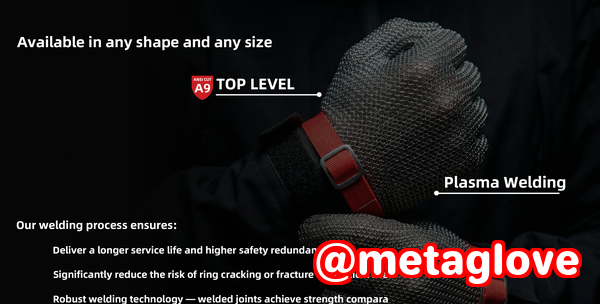
Welded rings are a hallmark of high-quality chainmail. The rings are permanently fused shut, making them much stronger and more durable.
-
Open rings, on the other hand, can be weaker and less secure, as they are often left unsealed or only lightly closed. These rings are more prone to separating over time.
How do you tell the difference? A simple tug on a ring will show you the differencewelded rings will not pull apart, while open rings may separate with little effort.
2. Material Choices: Stainless Steel Grades 304 vs 316
The material used in your chainmail directly impacts its durability and resistance to corrosion. This is especially critical in industrial applications, where exposure to moisture, heat, and chemicals is frequent.
-
304 Stainless Steel is the most common grade, offering decent corrosion resistance for general applications.
-
316 Stainless Steel, however, is more resistant to corrosion, particularly in harsh environments like food processing or marine industries. If you need chainmail that can stand up to saltwater or high temperatures, 316 stainless steel is the best choice.
To verify the material, check for any markings or consult the seller’s specifications. If you’re buying from a reputable company like Aegimesh, you can trust the product description. However, for non-branded items, ask for a material verification to be sure.
3. Weak Weaves: The European 4-in-1 Weave and Its Strength
Not all weaves are created equal. The strength of a chainmail piece can be significantly affected by its weave pattern. The European 4-in-1 weave is a common and reliable option for strength and flexibility, often used in both industrial and historical pieces.
-
In this pattern, each ring connects to four others, offering a balanced mix of flexibility and durability.
-
Weaker weaves, such as a 2-in-2 or 6-in-1, will be less durable and offer less protection.
When inspecting a chainmail product, check the weave pattern. Does it follow a balanced and even structure? Are the rings connected in a way that maximizes strength? This is especially important for products used in industrial or protective settings.
How to Inspect Chainmail: A Step-by-Step Guide
1. Perform a Simple Pull Test
If you’re unsure about the quality of the chainmail, a quick pull test can help. Gently pull at the rings to see if they hold together. Welded rings should stay intact, while open rings or weak connections will likely pull apart or bend.
2. Check for Corrosion or Staining
Stainless steel is resistant to rust, but it’s not invincible. If you notice any dark spots or corrosion, it may indicate poor-quality material or exposure to harsh elements that have compromised the chainmail’s integrity.
3. Inspect the Wire Thickness and Inner Diameter
The thickness of the wire and the inner diameter of the rings play a significant role in determining the chainmail’s strength. Thicker wire is more durable, and the right inner diameter ensures the rings lock securely together.
-
For a product used in industrial settings, look for wire that’s at least 1mm thick.
-
Decorative or cosplay pieces can often be lighter, but they should still have a solid, well-constructed feel.
4. Evaluate the Weave Pattern
As mentioned earlier, check that the chainmail uses a strong weave pattern like European 4-in-1. This will ensure the piece is durable and flexible enough for your needs.
Why Proper Chainmail Inspection Is Essential
There are multiple reasons why you should always inspect your chainmail thoroughly before purchasing:
-
Avoiding Unsafe Products: Low-quality chainmail may not offer the protection you need, especially in industrial or food-processing environments.
-
Ensuring Durability: High-quality chainmail will last longer and hold up better to wear and tear, saving you money in the long run.
-
Getting What You Pay For: Some sellers may charge high prices for low-quality products. Understanding how to evaluate chainmail ensures you’re not overpaying for decorative pieces that won’t hold up in real-world use.
-
Peace of Mind: Whether you’re buying for cosplay, a historical collection, or industrial work, knowing that your chainmail meets safety and durability standards gives you confidence.
Conclusion: How to Make Informed Chainmail Purchases
Now that you know what to look for when evaluating chainmail, I highly recommend following these steps to ensure any chainmail purchase meets safety and durability standards. Whether you’re buying for industrial protection, cosplay, or historical re-enactments, understanding the key elements of chainmail quality is crucial.
When in doubt, always choose reputable suppliers like Aegimesh, who offer detailed guides and reliable products. If you’re looking for more information on how to identify high-quality chainmail products, check out our detailed chainmail inspection guide today.
Learn more about identifying high-quality chainmail products at Aegimesh
Frequently Asked Questions (FAQs)
1. How can I tell if a chainmail ring is welded or open?
Simply tug on the ring. Welded rings won’t separate, whereas open rings can be pulled apart easily.
2. Which stainless steel grade is best for long-lasting chainmail?
For general use, 304 stainless steel is fine, but for industrial or harsh environments, opt for 316 stainless steel for superior corrosion resistance.
3. How do I inspect the weave pattern for strength?
Look for balanced weaves, like the European 4-in-1, where each ring connects to four others. This pattern offers excellent strength and flexibility.
4. What are the signs of low-quality or unsafe chainmail?
Signs include weak or open rings, inconsistent weaves, corrosion, and poor craftsmanship. Always inspect the product thoroughly before buying.
5. Can decorative chainmail be used for protective purposes?
While decorative chainmail can look impressive, it often lacks the strength needed for industrial or safety purposes. Always check the material, weave, and ring quality.
6. How do I choose the right chainmail for industrial vs. cosplay use?
For industrial applications, prioritize welded rings, strong weaves, and high-quality stainless steel. For cosplay, aesthetic appeal may matter more than ultimate durability.
Tags/Keywords
-
chainmail quality, welded rings, stainless steel chainmail, cut-resistant chainmail, chainmail inspection, European 4-in-1 weave