
A Deep Dive into the Benefits of Ring Mesh for Armor vs Chainmail
When purchasing chainmail for protection, cosplay, or even as a collector’s item, the sheer variety of options can leave anyone scratching their head. It’s easy to fall for a shiny, new piece, only to later realize it’s not as strong, durable, or safe as it should be. Whether you’re looking for something for historical reenactments, food processing, or even industrial cut protection, identifying high-quality chainmail is essential. Without knowing how to spot the key indicators of quality, you might end up with something that is more decorative than protectiveor worse, unsafe.
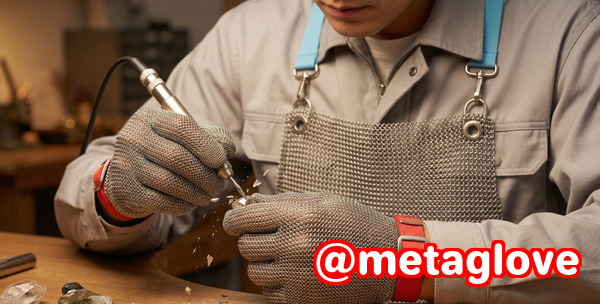
In this guide, I’ll walk you through everything you need to know about evaluating the quality of chainmail. We’ll cover essential factors like material, ring welding, weave patterns, and more. I’ll also provide practical tips for inspecting chainmail, helping you avoid costly mistakes and ensuring you invest in the best products for your needs.
Understanding Chainmail: What You Need to Know
Chainmail, often referred to as “ring mesh,” has been used for centuries as a form of armor. Its enduring popularity is due to its versatility, durability, and ability to distribute force. Unlike solid armor, chainmail’s linked rings provide flexibility, making it effective against cutting and stabbing forces.
However, not all chainmail is created equal. Whether you’re looking at chainmail for industrial use, cosplay, or as part of a historical collection, there are certain qualities you should check to ensure you’re getting the real deal. I’ve seen it firsthandmany buyers fall victim to flashy, cheap imitations that offer little protection and are poorly crafted. Let’s dive into how you can tell the difference between high-quality chainmail and low-quality knockoffs.
Common Problems When Evaluating Chainmail Quality
When evaluating chainmail, there are several common issues that can trip up even the most seasoned buyers. Here are the top three pain points you might face:
-
Welded vs Open Rings: One of the most critical aspects of chainmail is the integrity of the rings. Open rings, which are simply bent wire that is not welded, can come apart under pressure. This makes them unreliable for protective uses like armor or industrial cut-resistant gear. However, welded rings are far more durable and secure, especially when they’re made with high-quality steel.
-
Stainless Steel Grades and Corrosion Resistance: Not all stainless steel is created equal. For long-lasting durability, especially in industrial or outdoor settings, the grade of stainless steel used in chainmail can make a huge difference. 304 stainless steel is a more common, cost-effective choice, but 316 stainless steel offers superior corrosion resistance, which is essential if the chainmail will be exposed to moisture or chemicals.
-
Weak or Inconsistent Weaves: The weave pattern, like the European 4-in-1 weave, is what holds the chainmail together. If the weave is inconsistent, weak, or poorly executed, the chainmail can break apart under stress. This is a major safety concern, especially for applications where protection from cuts is vital.
How to Inspect Chainmail for Quality
Now that we know the pain points, let’s talk about how you can properly inspect chainmail to ensure it meets your standards. It all starts with understanding the materials and craftsmanship that go into a high-quality piece.
1. Material Type: Stainless Steel Grades
The first thing to look at when evaluating chainmail is the type of steel used. Generally, you want to focus on two common grades of stainless steel:
-
304 Stainless Steel: This is a popular and cost-effective option, often used in decorative chainmail. It’s not as corrosion-resistant as 316, but it’s still a good option for indoor use or dry conditions.
-
316 Stainless Steel: This is the superior choice for applications exposed to moisture, chemicals, or salt. It’s highly resistant to corrosion, making it perfect for industrial, food processing, and outdoor environments. It’s also more durable and long-lasting, so it’s worth investing in if your chainmail will be exposed to harsh conditions.
2. Inspect the Rings: Welded vs Open
As mentioned earlier, welded rings are a must for durability and safety. Open rings, while sometimes used for decorative pieces, can pose a risk in protective applications because they are more likely to break apart. Here’s how you can test if the rings are welded or open:
-
Check the ring edges: Run your finger over the edges of the rings. If the ends feel rough or uneven, they’re likely open rings. Welded rings, on the other hand, will have smooth, uniform edges where the wire has been fused together.
-
The pull test: Gently tug on a few rings to see if they’re securely fastened. Welded rings should be solid, while open rings might bend or separate with minimal pressure.
3. Wire Thickness and Inner Diameter
The thickness of the wire used in chainmail affects its strength and durability. A thinner wire can be more flexible but may not hold up under heavy stress. A thicker wire provides added strength but might reduce flexibility. When inspecting the wire, also check the inner diameter of the rings:
-
Ideal wire thickness: Generally, a thickness of 1.5mm to 2mm is a good balance between strength and flexibility for most applications. Thicker wires are ideal for heavy-duty use, like industrial cut-resistant chainmail, while thinner wires are fine for decorative pieces.
-
Ring diameter: The diameter of the rings should also be consistent. A larger diameter might reduce the overall durability of the weave, so make sure the rings are neither too large nor too small for the application at hand.
4. Evaluating the Weave: European 4-in-1 and Other Patterns
The weave pattern is another key indicator of chainmail quality. The most common pattern for protective chainmail is European 4-in-1. This means each ring passes through four others in a specific arrangement. Here’s how to evaluate the weave:
-
Consistency: Look for even, uniform weaves. Inconsistent or sloppy weaving can weaken the overall structure of the chainmail.
-
Check for gaps: If you can see visible gaps between the rings or the weave looks loose, the chainmail may not provide the protection it promises. A tight, well-maintained weave ensures that the rings will hold together under pressure.
Why It Matters: The Benefits of Proper Chainmail Inspection
Taking the time to properly inspect your chainmail purchase offers several benefits:
-
Safety: Poorly constructed chainmail can be dangerous, especially if it’s being used in industrial settings or for personal protection. Properly welded rings, the right material, and a secure weave all contribute to making chainmail a reliable source of protection.
-
Durability: High-quality chainmail is built to last. If you’re investing in a piece for industrial or protective purposes, durability is key. A good piece of chainmail should withstand years of use without losing its effectiveness.
-
Cost-Effectiveness: By inspecting chainmail properly, you can avoid spending money on low-quality or unsafe products. If a piece of chainmail isn’t made well, you’ll end up replacing it sooner, costing you more in the long run.
Conclusion: Make Informed Chainmail Purchases
As someone who has spent years evaluating chainmail, I highly recommend following these inspection steps when making a purchase. Whether you need chainmail for cosplay, historical reenactments, or industrial cut protection, ensuring its quality is crucial. By looking at the material, inspecting the rings, checking the wire thickness, and evaluating the weave pattern, you can ensure you’re investing in something durable, safe, and long-lasting.
Learn more about identifying high-quality chainmail products: Aegimesh Chainmail
Check out our detailed chainmail inspection guide today to make sure you’re making an informed purchase every time.
Frequently Asked Questions
1. How can I tell if a chainmail ring is welded or open?
Welded rings will have smooth, uniform edges where the wire has been fused together. Open rings will have rough or uneven ends, and can be pulled apart more easily.
2. Which stainless steel grade is best for long-lasting chainmail?
For the best durability and corrosion resistance, go for 316 stainless steel. It’s ideal for industrial and outdoor use, as it stands up to moisture and chemicals better than 304.
3. How do I inspect the weave pattern for strength?
Check the consistency of the weave. A strong weave like European 4-in-1 should have even, tight rings with no visible gaps. Inconsistent weaves can compromise the protection the chainmail offers.
4. What are the signs of low-quality or unsafe chainmail?
Signs include uneven ring edges, inconsistent weaves, flimsy rings that separate under stress, and rust or corrosion. If a piece of chainmail looks poorly constructed, it likely won’t be safe or durable.
5. Can decorative chainmail be used for protective purposes?
Decorative chainmail, while attractive, is often made with open rings or thinner wire, making it less durable and less effective for protection. For safety, always look for welded rings and thicker wire.
6. How do I choose the right chainmail for industrial vs cosplay use?
For industrial use, look for thicker wire, welded rings, and 316 stainless steel for durability and cut resistance. For cosplay, you can use lighter chainmail, but ensure the rings are still welded and the weave is tight.
7. How do I save money while buying chainmail?
By inspecting chainmail carefully and understanding what makes it durable