
The Cultural and Philosophical Meaning of Chainmail Throughout History
When we think of chainmail, we often imagine knights in shining armor or perhaps a well-made cosplay costume. However, chainmail is more than just a symbol of medieval warfare; it carries profound cultural and philosophical meaning that has evolved throughout history. From its origins in ancient civilizations to its modern uses in various industries, chainmail has been much more than a protective garment. It represents resilience, craftsmanship, and the intersection of form and function. But, as with any timeless craft, it’s important to distinguish high-quality chainmail from low-quality or unsafe alternatives.
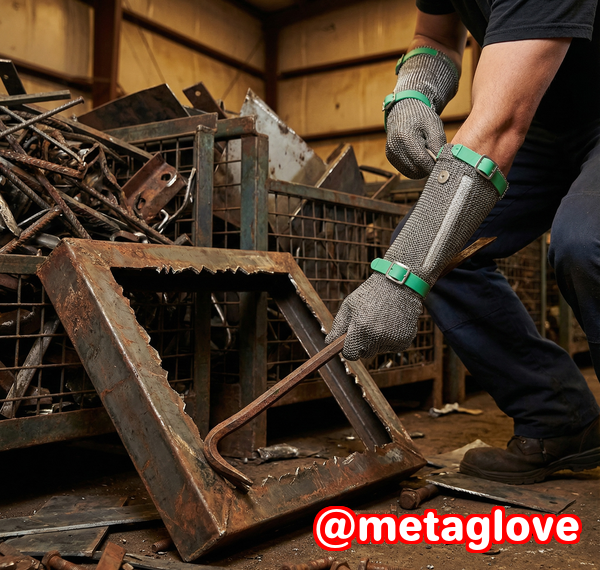
Whether you’re buying for protection, cosplay, or a historical collection, understanding chainmail quality is crucial. In this article, we’ll explore the significance of chainmail throughout history and provide practical tips on how to evaluate the quality of chainmail products, such as those offered by Aegimesh.
A Brief History of Chainmail
Chainmail dates back over 2,000 years and was used by civilizations ranging from the Celts to the Romans and beyond. Its iconic design of interwoven metal rings provided excellent protection from cuts and slashes, making it a staple in armor for warriors across Europe and the Middle East. But chainmail wasn’t just for soldiers; it was also used for religious figures, merchants, and even in the crafting of decorative items.
The term “chainmail” comes from the Old French word maille, which means “mesh” or “small loop,” referring to the individual rings that make up the fabric. Over the centuries, the technique evolved, with different cultures refining the method to suit their needs, leading to a wide range of designs and purposes.
Today, the use of chainmail has extended far beyond armor. It is still used in protective clothing for industrial workers, particularly in food processing, where its cut-resistant qualities are invaluable. It’s also a beloved medium for cosplay enthusiasts and collectors, who admire the artistry and historical significance of well-crafted chainmail. However, with its widespread availability, it can sometimes be hard to differentiate between high-quality and low-quality products.
The Importance of High-Quality Chainmail
Why does the quality of chainmail matter? Whether you’re purchasing it for safety, historical accuracy, or artistic expression, understanding its quality ensures you’re making a smart investment. High-quality chainmail can mean the difference between life-saving protection and a decorative, flimsy imitation. Below, I’ll share some practical tips for evaluating chainmail quality, which will help you avoid unsafe purchases and save you from wasting money on inferior products.
1. Material Quality Stainless Steel vs. Mild Steel
One of the first things to consider when purchasing chainmail is the material. You’ll typically encounter two main types: stainless steel and mild steel. The former is more durable and corrosion-resistant, making it ideal for industrial or protective uses, while mild steel is generally more affordable but prone to rust over time.
-
304 Stainless Steel: This is the most common grade of stainless steel used for chainmail. It offers good resistance to corrosion, making it suitable for most uses, including historical replicas and cosplay.
-
316 Stainless Steel: This is a more premium grade, offering even better corrosion resistance, especially in harsh environments (e.g., saltwater exposure). If you’re buying chainmail for industrial or food-processing use, 316 stainless steel is often the better choice due to its superior durability.
2. Welded vs. Open Rings
Chainmail rings can either be welded or open. The most reliable and durable chainmail will feature welded rings, where the ends of the metal rings are fused together to form a permanent bond. This ensures that the rings won’t come apart under pressure.
-
Welded Rings: These are the hallmark of high-quality chainmail, offering strong, durable protection. They are best for use in industrial settings or for armor.
-
Open Rings: These rings are simply interlocked without welding. While they may suffice for decorative purposes or cosplay, they are far weaker and less durable, making them unsuitable for safety-critical applications.
3. Weave Patterns: European 4-in-1 and Other Designs
The weave pattern used in chainmail plays a crucial role in determining its strength and flexibility. The European 4-in-1 weave, where each ring interlocks with four others, is one of the strongest and most common designs. However, different weaves offer different benefits, and you should choose based on your intended use.
-
European 4-in-1: This is the most well-known and commonly used pattern, known for its strength and flexibility. It is commonly found in both historical and modern chainmail, especially for protective gear.
-
Other Weaves: Weaves like the 6-in-1 or 8-in-1 may be used for specific applications requiring higher protection, such as industrial cut resistance.
How to Inspect Chainmail for Quality
Now that you understand the key factors affecting chainmail quality, let’s talk about how to inspect a piece of chainmail to ensure it meets your standards. Here are some simple steps to help you evaluate whether a chainmail product is worth your investment:
Step 1: Check the Material
Always check the material composition before buying chainmail. Look for labels that specify whether it’s made from stainless steel, mild steel, or another metal. Stainless steel is the preferred choice for durability and corrosion resistance, especially for industrial or protective applications.
Step 2: Examine the Rings
Take a closer look at the rings. Are they welded or open? If the rings are welded, the chainmail will likely be more durable and suitable for protective purposes. If they are open, the chainmail is likely more decorative and less functional. You can also check the thickness of the wire; thinner wire tends to weaken the overall structure of the chainmail.
Step 3: Test the Weave
Check the weave pattern. The European 4-in-1 weave is the standard for strength and durability. Look at the rings to ensure that they are securely interlocked and not showing signs of wear or gaps. If you notice gaps or inconsistent patterns, the chainmail may be poorly constructed.
Step 4: Perform the Pull Test
A simple way to test the strength of chainmail is the pull test. Gently pull on a section of the chainmail to see if the rings come apart. If they do, the chainmail is likely of low quality. A well-made piece of chainmail should be able to withstand some pulling without any rings separating.
Step 5: Look for Corrosion Signs
Especially when buying stainless steel chainmail, look for signs of rust or corrosion. High-quality stainless steel should be resistant to rust, but lower-quality chainmail might show signs of corrosion, especially in humid or wet conditions.
Why Proper Chainmail Inspection Matters
By performing these simple inspections, you can avoid costly mistakes and ensure your chainmail is up to the task. Here’s why proper inspection matters:
-
Safety: If you’re using chainmail for industrial purposes, food handling, or protective clothing, you want to make sure that the chainmail meets safety standards. Poorly made chainmail could compromise your protection.
-
Durability: Higher-quality chainmail will last longer, saving you money in the long run. Inferior chainmail may look good at first but will deteriorate quickly, especially under stress or in harsh conditions.
-
Functionality: Choosing the right type of chainmail for your needs ensures it performs as expected. For instance, a decorative piece of chainmail will not provide the same level of protection as one made for industrial use.
Conclusion: Choosing the Right Chainmail for Your Needs
I highly recommend taking the time to evaluate the quality of chainmail before making a purchase. By checking the material, welds, wire thickness, and weave patterns, you can avoid unsafe products and ensure you’re investing in something durable and effective.
Whether you’re looking for chainmail for industrial purposes, cosplay, or as part of a historical collection, knowing how to inspect its quality will save you money and ensure safety. For those looking for a trusted guide, Aegimesh Chainmail offers detailed tools and resources to help buyers, collectors, and professionals evaluate chainmail accurately.
Learn more about identifying high-quality chainmail products: Aegimesh Chainmail. Check out our detailed chainmail inspection guide today.
Frequently Asked Questions (FAQ)
-
How can I tell if a chainmail ring is welded or open?
Look for visible seams where the ends of the rings meet. Welded rings will have a seamless connection, while open rings will show a gap or overlap.
-
Which stainless steel grade is best for long-lasting chainmail?
For long-lasting durability, 316 stainless steel is the best option, especially for industrial or food-processing applications. 304 stainless steel is also good for most uses.
-
How do I inspect the weave pattern for strength?
Check that each ring interlocks securely with four others in a uniform pattern (European 4-in-1). The pattern should be tight, with no visible gaps or inconsistencies.
-
What are the signs of low-quality or unsafe chainmail?
Poorly constructed chainmail may have loose rings, weak welds, inconsistent weaves, or signs of rust and corrosion.
-
Can decorative chainmail be used for protective purposes?
Decorative chainmail is generally not recommended for protective purposes, as it often uses open rings and is made from lighter materials.
-
How do I choose the right chainmail for industrial vs cosplay use?
For industrial use, choose chainmail made from 316 stainless steel with welded rings and a strong weave pattern. For cosplay, 304 stainless steel or mild steel may