
Chainmail and Modern Tactical Armor: Can They Coexist?
When you think of chainmail, what comes to mind? For many of us, it conjures up images of medieval knights, preparing for battle in their shining steel armor. But in today’s world, chainmail is more than just a relic of the past. It’s a key component in a variety of modern applications, from cosplay and historical reenactments to serious industrial uses like cut protection in kitchens and factories. However, finding high-quality chainmail isn’t always easy, especially when it comes to distinguishing between the good, the bad, and the unsafe. So, can chainmail still meet the tough demands of modern tactical armor? The answer is yesbut only if you know how to spot quality chainmail products.
The Problem with Low-Quality Chainmail
If you’ve ever tried to purchase chainmail, whether for protective purposes or for a piece of medieval-inspired art, you’ve probably run into some confusion. It’s not always clear which products are genuine, high-quality chainmail and which are simply decorative or poorly made. Some sellers may market cheap, flimsy options as authentic protective gear, leaving buyers at risk. Poorly made chainmail can compromise safety, especially in industrial settings, and can also be frustrating if it doesn’t live up to the expectations for cosplay or display.
So, how do you know which chainmail to trust? I’ve spent years working with chainmail products, and I can tell you that it all comes down to a few key factors: the material, the craftsmanship, and the weave pattern. Let’s break down how you can inspect chainmail products to ensure they meet your needswhether for protection, display, or as part of your collection.
What You Need to Look for in Quality Chainmail
To make sure your chainmail purchase is the real deal, you need to understand the key components that affect its quality. From the material type to the welding process, there’s a lot to consider. Here’s what to focus on when evaluating chainmail products:
1. Material Type: Stainless Steel and Its Grades
Chainmail is typically made from stainless steel because of its durability, corrosion resistance, and strength. But not all stainless steel is created equal. When evaluating chainmail, the first thing you should check is the type of steel used. There are two main grades of stainless steel commonly used in high-quality chainmail: 304 and 316.
-
304 Stainless Steel: This is the most commonly used stainless steel, and while it’s durable and corrosion-resistant, it may not perform as well in highly corrosive environments like saltwater.
-
316 Stainless Steel: This is a higher-grade material that offers superior resistance to corrosion, especially in marine or industrial environments. If you plan to use your chainmail for industrial or cut-resistant purposes, 316 stainless steel is your best bet.
2. Welded Rings vs. Open Rings
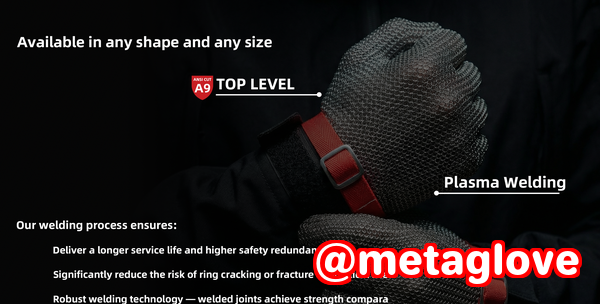
One of the biggest giveaways of low-quality chainmail is the use of open rings instead of welded rings. Welded rings are the gold standard for chainmail, as they provide added strength and prevent the rings from coming apart during use. Open rings, on the other hand, are less durable and may cause the chainmail to fall apart over time, especially under stress.
3. Wire Thickness and Inner Diameter
The thickness of the wire and the diameter of the rings play a crucial role in the overall durability and functionality of chainmail. Thin wires and wide rings can result in weaker chainmail that doesn’t offer the level of protection or durability you need, especially in industrial settings. When inspecting chainmail, look for the following:
-
Wire thickness: A thicker wire generally indicates stronger chainmail.
-
Ring diameter: The smaller the inner diameter, the more rings are packed into the same area, which can provide added strength.
If you’re buying chainmail for protection, such as cut-resistant gloves or armguards, you want to ensure the rings are tightly woven and the wire is sufficiently thick.
4. Weave Pattern: European 4-in-1 Weave for Strength
When it comes to the actual weaving of the chainmail, the European 4-in-1 weave is one of the most common and strongest options available. This pattern involves each ring passing through four others, creating a dense, durable weave that provides excellent protection and strength. While other weaves are available (like 6-in-1 or 8-in-1), the European 4-in-1 remains a standard because of its balance between flexibility and durability.
Why Inspection Matters
Now that you know what to look for, you might wonder why it’s so important to inspect chainmail carefully before making a purchase. Let me break it down:
-
Safety: In industrial settings, such as food handling or medical environments, low-quality chainmail can be a safety hazard. For example, if the chainmail gloves you use in a kitchen are made from open rings or weak steel, they might fail under pressure, leading to serious injuries.
-
Durability: Low-quality chainmail may look good on the outside, but it’s not built to last. Whether it’s for cosplay or historical reenactment, you want your chainmail to withstand the test of time without falling apart.
-
Money-Saving: Purchasing cheap chainmail often leads to wasted money because you’ll need to replace it sooner than expected. By identifying high-quality products upfront, you can avoid this unnecessary expense.
Step-by-Step Guide to Inspecting Chainmail
To make sure you’re buying the best possible chainmail, here’s a simple step-by-step inspection process:
-
Check the Material: Look for markings or ask the seller about the grade of stainless steel used. If it’s 304 or 316 stainless steel, you’re on the right track.
-
Inspect the Rings: Make sure the rings are welded. Gently tug on a few rings to ensure they’re securely welded. If any rings open, it’s a red flag.
-
Measure Wire Thickness and Ring Diameter: Use a caliper to measure the wire thickness and the inner diameter of the rings. Compare these measurements to standard specifications for the type of chainmail you need.
-
Examine the Weave: Check the weave patternEuropean 4-in-1 is ideal for strength and durability.
-
Perform a Pull Test: If you can, gently pull on the chainmail to see how much force it can withstand. High-quality chainmail should resist stretching and pulling apart.
Conclusion
In the world of modern armor and protective gear, chainmail can still hold its ground, but only if it’s made from high-quality materials and craftsmanship. I highly recommend following these steps to ensure that any chainmail purchase meets safety and durability standards. Whether you need it for industrial protection, cosplay, or historical reenactment, knowing how to evaluate chainmail will save you money and protect your investment.
Want to learn more about identifying high-quality chainmail products? Check out our detailed chainmail inspection guide today: Aegimesh Chainmail Guide
Frequently Asked Questions (FAQs)
How can I tell if a chainmail ring is welded or open?
-
Simply tug on the ring. If it’s welded, it won’t open under pressure. If it’s open, you’ll see it start to come apart.
Which stainless steel grade is best for long-lasting chainmail?
-
For durability and resistance to corrosion, 316 stainless steel is the best choice, especially in industrial or marine environments.
How do I inspect the weave pattern for strength?
-
Look for the European 4-in-1 weave, where each ring passes through four others. This pattern offers the best combination of strength and flexibility.
What are the signs of low-quality or unsafe chainmail?
-
Open rings, thin wires, and loose weaves are all signs of low-quality chainmail. Also, check for signs of rust or corrosion.
Can decorative chainmail be used for protective purposes?
-
Decorative chainmail may look appealing but is usually not durable enough for protection. Make sure to choose chainmail designed for safety if that’s your primary concern.
How do I choose the right chainmail for industrial vs. cosplay use?
-
For industrial use, look for thick wire, welded rings, and high-grade stainless steel. For cosplay, focus on the design, weave pattern, and comfort.
Tags or Keywords
-
chainmail quality, welded rings, stainless steel chainmail, cut-resistant chainmail, chainmail inspection, European 4-in-1 weave, steel metal chainmail durability