
Pricing Chainmail: The Differences Between Premium and Budget Options
When it comes to buying chainmail, whether for cosplay, historical reenactments, or industrial use, the range of prices can be overwhelming. One moment you’re eyeing an affordable piece, and the next, you’re staring at an expensive premium chainmail suit, wondering if it’s worth the cost. Is the more expensive option actually better? And what exactly makes one chainmail product stand out from the other?
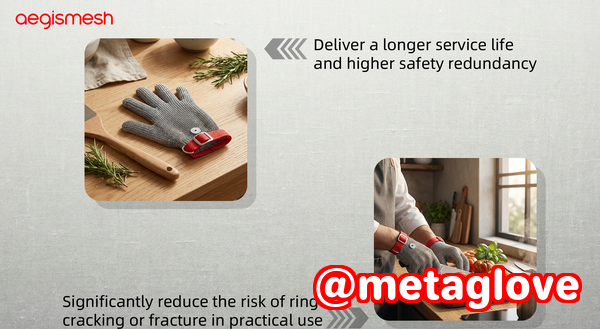
If you’ve ever found yourself in this situation, you’re not alone. As someone who’s purchased chainmail for various reasons over the years, I’ve faced the same confusion. After all, chainmail isn’t a product you buy every day, and when you do, it’s important to get it right. Buying low-quality or poorly made chainmail can lead to everything from discomfort to serious safety risks. But by learning to identify key features that differentiate premium from budget chainmail, you can make informed choices that won’t just save you money but also ensure your chainmail is as durable and functional as you need it to be.
How to Spot the Difference Between Budget and Premium Chainmail
One of the biggest challenges when shopping for chainmail is knowing how to tell whether you’re getting good quality for your money. The truth is, there are a few key factors that can help you identify whether you’re looking at a high-quality piece or a low-grade imitation. Here’s what to keep in mind:
1. Material Matters: 304 vs. 316 Stainless Steel
At first glance, most chainmail products seem similar. But look a little closer, and you’ll realize that the material makes all the difference. The two most common types of stainless steel used for chainmail are 304 and 316. Both are strong, but 316 stainless steel offers better corrosion resistance, making it the superior choice for industrial, food-handling, and long-term durability purposes.
While budget chainmail may use the cheaper 304 stainless steel, premium brands like Aegimesh Chainmail opt for 316 steel for added strength and longevity. This is particularly important if you’re working in harsh environments like kitchens or factories, where chainmail is exposed to moisture or acidic substances that can rust lower-quality steel.
2. Welded vs. Open Rings: The Construction Technique
Another critical distinction between budget and premium chainmail is whether the rings are welded or open. Welded rings are the hallmark of high-quality chainmail, as they are far stronger and more durable. When properly welded, the rings will hold their shape and structure, ensuring your chainmail stays intact, even under stress.
Budget options may use open rings, which are simply interwoven and not welded. These can be much more fragile and prone to falling apart, especially under heavy use. If you’re purchasing chainmail for industrial or protective purposes, always look for welded rings to ensure you get a safe and durable product.
3. Weave Patterns: European 4-in-1 vs. Simpler Weaves
The way the rings are woven together plays a huge role in the strength and durability of the chainmail. European 4-in-1 weave, one of the most popular and strongest weaves, involves interlacing four rings through a central ring, creating a tight and flexible structure that’s both resistant to cuts and relatively lightweight.
Budget chainmail might use simpler weaves, such as 4-in-2 or 6-in-1, which can compromise durability, flexibility, and comfort. The quality of the weave impacts not just the strength of the chainmail but also how it fits and moves with your body. For maximum protection and longevity, always opt for European 4-in-1 or similar high-quality weaves.
How to Inspect and Verify the Quality of Chainmail
When you’re ready to make your purchase, there are a few simple yet effective ways to inspect the quality of chainmail before committing to it. Here’s what you should look for:
1. Ring Thickness and Inner Diameter
One of the first things to check is the thickness of the wire and the diameter of the rings. Higher-quality chainmail will have thicker rings made from a solid wire, making the structure more robust and less likely to bend or break. For example, Aegimesh Chainmail uses wire with consistent thickness and ring diameters that are optimized for durability and comfort.
When inspecting the rings, make sure the inner diameter is appropriately sized for the weave and wire thickness. If the rings are too small, they might not hold up under pressure. If they’re too large, the weave may become loose, weakening the overall structure.
2. Perform a Simple Pull Test
If you’re uncertain about the durability of the chainmail, you can perform a simple pull test. Gently tug on individual rings and see if they hold their shape. High-quality, welded rings should resist pulling apart, while open rings may show signs of weakness.
3. Look for Signs of Corrosion
Inspect the chainmail closely for signs of corrosion or rust. Corrosion is a common issue with low-quality stainless steel, particularly if it’s exposed to moisture. If you notice any pitting, discoloration, or rusting, it’s a sign that the chainmail may not be made from the best materials.
4. Check for Consistency in the Weave
Take a close look at the weave pattern. Premium chainmail will have consistent, tight weaves with no loose rings or irregularities. If you notice areas where the rings don’t line up properly, or the weave feels uneven, it’s likely a sign of poor craftsmanship. This could affect the chainmail’s performance and overall safety.
Why It Pays to Invest in Premium Chainmail
Whether you’re buying chainmail for cosplay, industrial protection, or food handling, investing in premium chainmail is the smart choice in the long run. While budget chainmail may save you money upfront, it often ends up costing more in repairs, replacements, or safety risks.
Benefits of Premium Chainmail:
-
Durability: Premium chainmail is designed to withstand wear and tear over time, making it a cost-effective choice for long-term use.
-
Safety: High-quality chainmail offers better protection, whether you’re handling sharp objects or engaging in combat reenactments.
-
Comfort: With a better weave and ring construction, premium chainmail feels more comfortable to wear and move in.
-
Reliability: Top-tier materials and craftsmanship ensure your chainmail performs as expected, without the risk of failure during use.
Conclusion: Make Informed Decisions When Purchasing Chainmail
When it comes to choosing the right chainmail, there’s no substitute for knowing what to look for. By paying attention to the material, construction, and craftsmanship, you can avoid buying poor-quality, unsafe chainmail.
I highly recommend following these steps to ensure that any chainmail you purchase meets your safety and durability standards. Whether for work or play, investing in premium chainmail ensures you’re getting the best value for your money while avoiding potential risks.
To learn more about how to inspect and choose high-quality chainmail, check out our detailed chainmail inspection guide here.
Frequently Asked Questions (FAQ)
1. How can I tell if a chainmail ring is welded or open?
-
Look closely at the ring’s edges. Welded rings will have a small visible seam where the ends are fused together. Open rings will have no seam, as they are simply interwoven.
2. Which stainless steel grade is best for long-lasting chainmail?
-
316 stainless steel is the best choice for long-lasting, durable chainmail. It offers superior corrosion resistance compared to 304 stainless steel, especially in harsh environments.
3. How do I inspect the weave pattern for strength?
-
A strong, quality weave should be tight and consistent, with no loose or irregular rings. Look for European 4-in-1 weave for the best balance of strength and flexibility.
4. What are the signs of low-quality or unsafe chainmail?
-
Signs include open rings, inconsistent weaves, rust or corrosion, and a general feeling of fragility when handling the chainmail.
5. Can decorative chainmail be used for protective purposes?
-
Decorative chainmail is typically not as durable as protective chainmail. If you need chainmail for protection, ensure it’s designed specifically for that purpose, with welded rings and proper materials.
6. How do I choose the right chainmail for industrial vs. cosplay use?
-
For industrial use, prioritize high-strength materials like 316 stainless steel, welded rings, and tight, durable weaves. For cosplay, you can focus on aesthetics and comfort, but still look for quality construction to ensure longevity.
Tags/Keywords: chainmail quality, welded rings, stainless steel chainmail, cut-resistant chainmail, chainmail inspection, European 4-in-1 weave