
The Weaving Techniques and Technology Behind Chainmail
When you’re looking to buy chainmail for protection, cosplay, or display, it can be difficult to know what you’re getting. With so many options out there, how do you tell the difference between high-quality, durable chainmail and cheaper, less reliable products? I’ve been there myself, and I know the frustration of second-guessing every purchase. Is it going to hold up to wear and tear? Will it offer the protection I need? Can it withstand the elements?
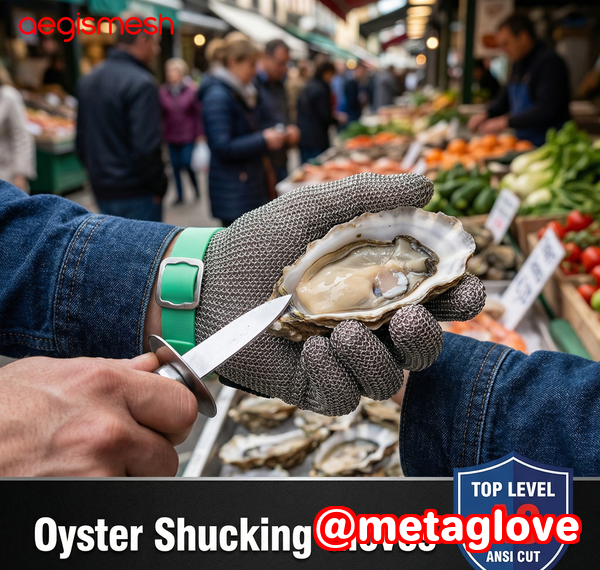
In this guide, I’ll walk you through the process of evaluating chainmail quality so you can make informed choices. Whether you’re buying chainmail for industrial cut protection, cosplay, or historical reenactments, knowing how to properly inspect and evaluate products is key. Let’s dive into the essential factors that determine chainmail quality, and how to make sure your purchase is safe, durable, and up to the task.
Understanding Chainmail Quality: Why It Matters
Chainmail is an ancient and versatile form of armor, but its modern applications are vast, ranging from industrial uses, like cut-resistant gloves, to cosplay and decorative purposes. It’s made up of metal rings woven together in specific patterns, and the quality of the chainmail directly impacts its safety, durability, and functionality.
But not all chainmail is created equal. Some are designed for show, while others are made for performance, offering protection in industrial or culinary environments. If you’re like many buyers, distinguishing between the two can be tricky. Here’s a breakdown of some of the most important factors to consider when evaluating chainmail quality:
1. Material Matters: Stainless Steel and the Right Grade
When it comes to chainmail, the material used in the rings is critical to its overall strength, durability, and resistance to corrosion. Stainless steel is the most common material, but not all stainless steel is equal. There are different grades, and knowing which one is right for your needs is key.
-
304 Stainless Steel: This is a popular choice for decorative chainmail, cosplay, and historical replicas. It’s resistant to corrosion and relatively affordable. However, it might not be as durable in harsh conditions.
-
316 Stainless Steel: This is the premium option for high-performance chainmail, offering superior corrosion resistance. It’s ideal for industrial use, food processing, and environments where chainmail might be exposed to moisture or chemicals.
Aegimesh Chainmail uses 316 Stainless Steel for its higher-quality products, ensuring long-lasting performance and resistance to rust. If you’re looking for chainmail that can stand up to the elements, especially in industrial or food-processing environments, 316 Stainless Steel is a must.
2. Welded vs. Open Rings: How to Tell the Difference
One of the most common pitfalls when shopping for chainmail is confusing welded rings with open rings. They may look similar at first glance, but there’s a significant difference in durability and strength.
-
Welded Rings: These are the strongest and most durable type of rings. The edges of the metal are welded together to form a continuous loop. This method of construction ensures that the rings won’t easily separate, which is crucial for the performance of the chainmail, particularly in protective applications.
-
Open Rings: These are simply twisted or interlocked metal loops. While they may look like chainmail, they are generally weaker and more prone to separation, especially under stress.
To ensure that you’re getting high-quality chainmail, check the rings. If the rings look like they have been soldered or fused together, it’s likely to be welded. If there’s a noticeable gap or the ends of the ring are not securely joined, it’s an open ringand probably a decorative piece rather than a durable, protective one.
3. Wire Thickness and Inner Diameter: The Key to Strength
Another critical factor in determining chainmail quality is the thickness of the wire and the inner diameter of the rings. Thicker wire and smaller ring diameters generally make for stronger, more durable chainmail. The right combination depends on the intended use.
-
Wire Thickness: Thicker wire tends to be more durable and can withstand more wear and tear, which is essential for chainmail used in high-stress environments like food processing or industrial applications. Thin wire may look fine for cosplay but is unlikely to hold up in professional settings.
-
Ring Diameter: The diameter of the rings impacts how tightly the rings are woven together. A tighter weave, such as European 4-in-1, provides superior strength and durability. This is an excellent option for both protection and aesthetic purposes, as it balances flexibility and toughness.
At Aegimesh, the European 4-in-1 weave is our go-to pattern, and it’s a standard in the industry for its strength and reliability. Whether you’re using chainmail for protection or for show, this weave pattern ensures your chainmail performs when you need it most.
4. Weave Patterns: How They Affect Durability
Chainmail isn’t just about the material and ring construction. The weave patternhow the rings are arrangedaffects the overall strength of the product. One of the most popular weave patterns is the European 4-in-1. In this pattern, each ring connects to four others, creating a tight, stable structure that resists deformation under pressure.
A loose weaveor a pattern with fewer rings per connectioncan reduce the effectiveness of the chainmail, making it more susceptible to damage. In industrial settings, a looser weave might not provide adequate cut protection. For decorative pieces or cosplay, it’s less of an issue, but it’s still a good idea to ensure the pattern is tight and secure.
5. Inspecting Chainmail: Practical Tips
Now that we’ve covered the basics of material, ring construction, and weave patterns, let’s go over how you can actually inspect chainmail before purchasing. Here are a few quick, practical tips that anyone can use to evaluate chainmail quality:
-
Pull Test: One simple way to test the strength of chainmail is to give it a gentle tug. If the rings hold tight and nothing comes undone, that’s a good sign of quality construction. If they start to shift or pull apart, you may be dealing with lower-quality chainmail.
-
Corrosion Check: Inspect the chainmail for any signs of corrosion, especially if you’re buying a piece that will be exposed to moisture or chemicals. Rust or tarnishing can indicate poor-quality material or poor workmanship.
-
Ring Size and Consistency: Look for uniformity in ring size and thickness. If some rings are noticeably larger or smaller than others, it can affect the weave’s strength and flexibility.
-
Pattern Inspection: Check that the weave pattern is consistent. A well-made chainmail product should have an even, tight pattern without any visible gaps.
Conclusion: Make Informed, Safe Purchases
At the end of the day, chainmail isn’t just about looksit’s about quality, durability, and safety. Whether you’re purchasing for industrial use, food handling, cosplay, or historical reenactment, following these simple inspection methods can save you time, money, and potential frustration. I highly recommend following these steps to ensure any chainmail purchase meets safety and durability standards.
For more in-depth guidance on inspecting chainmail, I encourage you to check out Aegimesh Chainmailyour reliable source for high-quality, durable chainmail that can stand the test of time.
Learn more about identifying high-quality chainmail products: https://www.aegimesh.com/
FAQ
1. How can I tell if a chainmail ring is welded or open?
Look closely at the edges of the ring. If the ends are fused together with a smooth, continuous surface, it’s likely welded. Open rings will have visible gaps or twisted ends.
2. Which stainless steel grade is best for long-lasting chainmail?
For maximum durability, 316 stainless steel is the best choice. It’s highly resistant to corrosion and ideal for industrial or food-processing applications.
3. How do I inspect the weave pattern for strength?
A good weave should have rings interlocking tightly. The European 4-in-1 pattern is an excellent choice for strong, flexible chainmail.
4. What are the signs of low-quality or unsafe chainmail?
Look for weak or inconsistent weaves, open rings, rust, and uneven wire thickness. These are all signs that the chainmail may not provide the protection or durability you need.
5. Can decorative chainmail be used for protective purposes?
Not all decorative chainmail is suitable for protection. If you need chainmail for safety, look for welded rings, thicker wire, and a tight weave like European 4-in-1.
6. How do I choose the right chainmail for industrial vs. cosplay use?
For industrial use, choose 316 stainless steel, welded rings, and a tight weave. For cosplay, lighter, decorative chainmail made from 304 stainless steel with a loose weave might suffice.
Tags or Keywords:
chainmail quality, welded rings, stainless steel chainmail, cut-resistant chainmail, chainmail inspection, European 4-in-1 weave