
Which Is More Comfortable for Long-Term Wear: Ring Mesh or Chainmail?
When considering protective gear or display items, one of the most common questions I get from buyers is: Which is more comfortable for long-term wearring mesh or chainmail? Whether you’re looking for cut-resistant protection for industrial work, cosplay armor, or even historical replicas, comfort is always a top priority. But when it comes to choosing between ring mesh and chainmail, there are several factors to consider before making a purchase.
The challenge here is twofold. First, you want something that’s durable and functional for your intended use. Second, you don’t want to end up with something uncomfortable that you can’t wear for long periods, especially if it’s for industrial tasks or a long event like a cosplay convention. In this article, I’ll take a closer look at these two options and help you understand how to evaluate their quality so you can make the right decision.
Understanding the Basics: Ring Mesh vs. Chainmail
Before diving into the details of comfort, it’s essential to know the difference between ring mesh and chainmail. These two terms are often used interchangeably, but they have distinct characteristics.
-
Chainmail refers to the traditional armor made by linking metal rings together in a specific weave pattern (like European 4-in-1 or 6-in-1). This is the method used in medieval armor and reenactments, and it can be made with a variety of metals, including stainless steel, aluminum, or titanium.
-
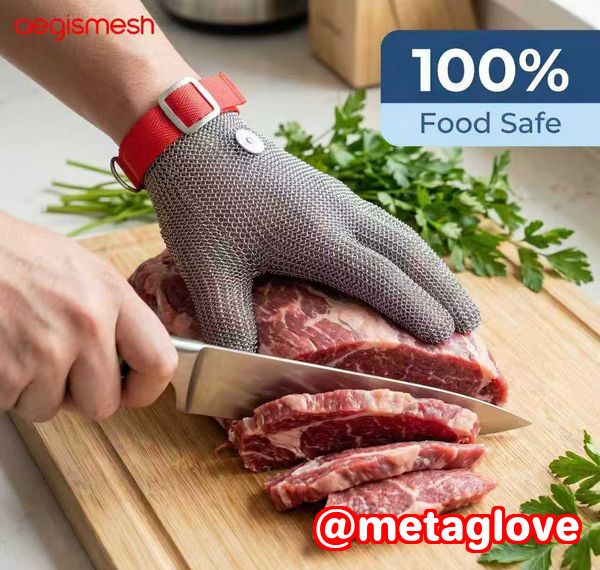
Ring mesh, on the other hand, is typically used for industrial purposes, like cut-resistant gloves or clothing. The rings are often welded shut, providing a more durable structure that’s ideal for withstanding cuts from knives or other sharp objects. Ring mesh also tends to have a looser, more flexible weave, which can be advantageous for comfort in certain scenarios.
Why Comfort Matters for Long-Term Wear
Comfort is crucial when you need to wear your gear for extended periods. If you’ve ever tried on a piece of armor or protective clothing, you know that the wrong fit or material can cause discomfort, chafing, or even pain. So, how can you determine which is more comfortable for long-term wear? Here’s what I’ve learned from personal experience and customer feedback.
-
Weight and Flexibility: Chainmail can be heavier due to its metal rings and dense weaving. While this gives it durability and protective qualities, the weight can become cumbersome over time, especially when worn for hours. Ring mesh, being less dense and often made from lighter materials, may offer better flexibility and less strain over long durations.
-
Breathability: Chainmail, with its tight and consistent weave, can get a bit warm, particularly in hot environments. While it’s breathable to some extent, it’s not the best option if you’re going to be wearing it in warmer conditions for extended periods. Ring mesh tends to be more breathable because the gaps between the rings are larger, allowing air to flow through more freely.
-
Fit and Movement: Chainmail, especially if it’s made with thicker rings or a rigid weave pattern, can restrict movement. This is particularly true for cosplay or historical replicas, where the armor may be designed for aesthetics over functionality. Ring mesh, being more flexible, often allows for better range of motion and comfort during prolonged use.
Common Mistakes When Evaluating Chainmail and Ring Mesh Quality
When buyers set out to choose chainmail or ring mesh, they often make a few key mistakes. These errors can lead to purchasing a low-quality product that won’t deliver on comfort or safety. Let’s take a look at some of the common pitfalls and how to avoid them:
-
Not Checking the Ring Type (Welded vs. Open Rings): One of the first things to inspect is whether the rings are welded or open. Open rings may seem like a cheaper option, but they can be weaker and more prone to unraveling. Welded rings, on the other hand, provide much stronger, more durable protection, especially for industrial use.
-
How to check: Gently try to bend the ring with your fingers or apply a small amount of pressure. If the ring opens up, it’s an open ring. Welded rings should remain intact under pressure.
-
-
Ignoring Stainless Steel Grade: Not all stainless steel is created equal. 304 stainless steel is a common material used for chainmail, but it’s less resistant to corrosion than 316 stainless steel. If you’re using the chainmail for food processing or outdoor use, 316 stainless steel is a better option due to its higher resistance to corrosion.
-
How to check: Look for the grade label or ask the supplier for the specific type of steel used. If it’s not listed, you can usually tell by the appearance (304 has a slightly duller finish, while 316 tends to have a more polished look).
-
-
Overlooking Weave Patterns: The weave pattern is another crucial factor in determining the quality and strength of chainmail. Common weaves include the European 4-in-1 or 6-in-1, which are strong and flexible. Weave patterns that are inconsistent or poorly executed can result in weak spots, making the chainmail less effective for protective use.
-
How to check: Inspect the rings and how they interlock. A high-quality weave will look uniform and tight. If you notice gaps or inconsistent patterns, it could be a sign of poor craftsmanship.
-
-
Forgetting to Test for Durability: Durability is one of the most important factors, especially for industrial or protective purposes. A piece of chainmail or ring mesh may look good at first glance, but if the rings are weak or the material isn’t up to par, it could fail when you need it the most.
-
How to test: Perform a simple pull test. Gently tug on the rings in various areas to see if they shift or break. If they feel flimsy, the product might not be durable enough for long-term use.
-
Aegimesh Chainmail: The Best Way to Ensure Quality
At Aegimesh, we understand the importance of quality and comfort when choosing chainmail. That’s why our guide and inspection tools help buyers, collectors, and professionals evaluate the true quality of chainmail products. We break down the process of identifying welded rings, choosing the right stainless steel grade (304 or 316), inspecting wire thickness, checking ring diameters, and assessing weave patterns like European 4-in-1 for strength and durability.
Whether you’re using chainmail for industrial cut protection, food handling, cosplay, or historical replicas, our guide ensures you can distinguish high-quality, safe chainmail from low-quality or decorative imitations. This means avoiding wasted money and potential safety risks.
Practical Tips for Inspecting Chainmail
Here are some quick tips to help you inspect your chainmail before making a purchase:
-
Pull Test: Gently pull on the rings to check their strength. If the weave feels loose or the rings separate easily, it’s a sign of poor craftsmanship.
-
Corrosion Check: Examine the chainmail for signs of rust or discoloration, especially if it’s exposed to moisture.
-
Weave Consistency: Ensure the rings are woven tightly and consistently, especially in high-stress areas.
-
Material Check: Ask for material specifications. If the chainmail is advertised as stainless steel, confirm whether it’s 304 or 316 grade.
Conclusion: Make an Informed Decision
When it comes to comfort for long-term wear, choosing between ring mesh and chainmail ultimately depends on your intended use and the quality of the product. For industrial or food-related applications, I highly recommend investing in high-quality, welded-ring chainmail made from 316 stainless steel. For cosplay or decorative pieces, ensure the rings are properly woven and the material suits your needs.
By following the steps outlined in this article, you can confidently choose chainmail that is both comfortable and durable, avoiding low-quality products that could cause discomfort or safety issues.
Learn more about identifying high-quality chainmail products: Aegimesh Chainmail Guide
Check out our detailed chainmail inspection guide today!
FAQ
How can I tell if a chainmail ring is welded or open?
Look closely at the ringif it’s welded, you’ll see a smooth, seamless joint. Open rings will show a slight gap where the ends don’t meet.
Which stainless steel grade is best for long-lasting chainmail?
For the highest durability and corrosion resistance, 316 stainless steel is ideal, especially for industrial or food-related use.
How do I inspect the weave pattern for strength?
Check for consistency in the pattern. European 4-in-1 is a strong weave, and any irregularities or gaps can indicate weak spots.
What are the signs of low-quality or unsafe chainmail?
Signs include inconsistent ring welds, weak rings, poor craftsmanship, and corrosion. Make sure to perform a pull test to check for strength.
Can decorative chainmail be used for protective purposes?
Not all decorative chainmail is safe for protection. Be sure to check the material, weave, and ring type to ensure it’s strong enough for protective use.
How do I choose the right chainmail for industrial vs. cosplay use?
For industrial use, prioritize strength, corrosion resistance, and proper weave. For cosplay, focus on appearance, weight, and comfort for long wear.
Tags
-
chainmail quality, welded rings, stainless steel chainmail, cut-resistant chainmail, chainmail inspection, European 4-in-1 weave, steel metal chainmail durability