
A Look at the Evolution of Ring Mesh vs Chainmail Technology
When you think of chainmail, what comes to mind? For many, it’s the iconic, glimmering armor worn by knights in shining armor, or the intricate, durable rings seen in modern cosplay. While chainmail’s historical use in warfare has faded, its evolution into a versatile material for both protection and decoration is something that continues to be relevant. Today, chainmail is used across a wide variety of industries, including industrial safety, food processing, and cosplay, as well as in the realm of collectors and reenactors. But with such widespread use, it’s become increasingly difficult to distinguish high-quality chainmail from the less durable, unsafe alternatives.
When purchasing chainmail for protection or display, I often struggle to know which products are genuinely high-quality. With countless options on the market, it’s easy to be overwhelmed by misleading marketing and inconsistent quality. But understanding how to evaluate the material, construction, and overall craftsmanship of chainmail can save you money and keep you safe. In this post, I’ll walk you through the critical elements you should inspect to ensure you’re getting the best possible productwhether it’s for your next cosplay project, an industrial application, or even just a display piece.
The Chainmail Buying Dilemma: What You Need to Know
The problem many buyers face when evaluating chainmail is simple: How can you tell which products are truly high-quality? Some products may look impressive at first glance, but a closer inspection can reveal serious flaws. Here are some of the common issues people encounter:
1. Welded Rings vs Open Rings
The first major point of confusion comes when trying to differentiate between welded rings and open rings. While open rings might be fine for decorative uses, they simply don’t offer the same level of durability and protection as welded rings. This becomes particularly important in industrial applications where durability and safety are paramount.
2. Understanding Stainless Steel Grades
Another challenge lies in understanding which materials are best suited for your needs. For example, there are different grades of stainless steel, like 304 and 316. While both are resistant to rust and corrosion, grade 316 is superior for environments exposed to harsh chemicals or high-saline conditions. But how can you tell which grade you’re buying?
3. Weak Weaves or Inconsistent Construction
Chainmail’s strength doesn’t just depend on the rings; it’s also about how those rings are woven together. Inconsistent or weak weaves can lead to poor durability and compromise the protection the chainmail provides. The weave pattern is a key indicator of quality, and one of the most reliable patterns to look for is the European 4-in-1 weave.
Fortunately, there’s a simple way to avoid these pitfalls. By taking the time to inspect the chainmail carefully and evaluate the construction methods, you can ensure you’re making a safe and informed purchase.
Aegimesh Chainmail: Your Guide to Quality
At Aegimesh, we understand the complexities of choosing high-quality chainmail. Our comprehensive guide helps buyers, collectors, and professionals alike evaluate chainmail products with confidence. Whether you’re purchasing for industrial use, cosplay, or historical reenactments, we’ve got you covered.
Here’s a breakdown of what you should look for when inspecting chainmail:
1. Material Type (304 vs 316 Stainless Steel)
Stainless steel is the backbone of durable chainmail. However, not all stainless steel is created equal. When evaluating chainmail, you want to confirm the grade of steel used. For most general purposes, grade 304 stainless steel works well. It’s resistant to corrosion and provides decent strength. But for more demanding environmentslike food processing or marine workgrade 316 stainless steel is a better option. It’s highly resistant to rust, corrosion, and chemical exposure.
-
304 Stainless Steel: Good for general use and light industrial environments.
-
316 Stainless Steel: Superior for harsh environments like marine settings, food processing, and industrial applications where high corrosion resistance is needed.
2. Ring Construction: Welded vs Open
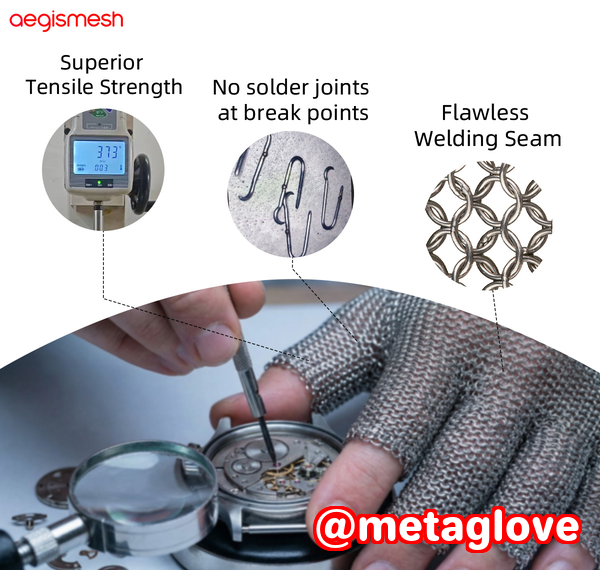
As mentioned earlier, welded rings offer the most reliable durability. Open rings, on the other hand, are often used for decorative purposes and are less suitable for protective uses. To inspect the quality of the rings, look closely at the welds. A high-quality welded ring will have a clean, secure joint. If the joint is loose, cracked, or incomplete, the chainmail will be prone to failure under stress.
-
Welded Rings: Secure, strong, and ideal for safety purposes.
-
Open Rings: Often used in costume or decorative applications, but not recommended for industrial or protective use.
3. Ring Thickness and Inner Diameter
The thickness of the wire and the inner diameter of the rings are crucial factors in determining the strength of the chainmail. If the rings are too thin or too large, the chainmail won’t provide the level of protection needed. The ideal ring thickness varies depending on the intended use, but for cut-resistant applications, a thicker ring is generally preferred. Additionally, the inner diameter of the ring should fit snugly around the wire, ensuring a tight, secure weave.
4. Weave Patterns: European 4-in-1
One of the most common weave patterns in high-quality chainmail is the European 4-in-1 pattern. This weave is highly effective at distributing force across the links, offering both flexibility and strength. When evaluating chainmail, check if the weave is consistent and uniform. Gaps or irregularities in the weave can compromise the protection the chainmail provides.
-
European 4-in-1 Weave: Known for its strength and durability.
-
Inconsistent Weave: Weakens the overall protection and structural integrity.
5. Practical Tips for Inspecting Chainmail
Once you know what to look for, it’s time to get hands-on. Here are some practical steps you can follow to inspect chainmail for quality:
-
Pull Test: Gently pull on the chainmail to see if the rings stay in place. If the rings move too much or the weave shifts easily, the chainmail is likely low quality.
-
Check for Corrosion: Stainless steel is known for its resistance to rust, but poor-quality chainmail may still show signs of corrosion. If you notice any discoloration or rust spots, it’s a red flag.
-
Examine the Rings Closely: Look for any visible gaps or defects in the welds. A poor weld can be a serious weakness in the structure of the chainmail.
By following these simple steps, you can identify the best chainmail for your needs and avoid unsafe or low-quality purchases.
Conclusion: Why Chainmail Quality Matters
In the end, the quality of the chainmail you choose directly affects its performance and safety. Whether you’re purchasing chainmail for industrial use, cosplay, or as a collector’s item, it’s important to know how to inspect it properly. I highly recommend following the steps outlined here to ensure any chainmail purchase meets the highest safety and durability standards.
To learn more about identifying high-quality chainmail products, check out our detailed chainmail inspection guide today!
FAQ
1. How can I tell if a chainmail ring is welded or open?
You can tell by closely inspecting the ring. A welded ring will have a smooth, seamless joint, while an open ring will have a visible gap where the ends meet.
2. Which stainless steel grade is best for long-lasting chainmail?
Grade 316 stainless steel is the best choice for long-lasting, high-durability chainmail, especially in harsh environments like food processing or marine settings.
3. How do I inspect the weave pattern for strength?
Look for a consistent, uniform pattern in the weave. The European 4-in-1 weave is one of the strongest and most reliable options for durability.
4. What are the signs of low-quality or unsafe chainmail?
Signs include loose or cracked welds, inconsistent weave patterns, and rust or corrosion. Poor-quality chainmail is more likely to break or fail under stress.
5. Can decorative chainmail be used for protective purposes?
Decorative chainmail made from open rings or thinner wire isn’t suitable for protection. For safety purposes, always choose chainmail with welded rings and a strong, consistent weave.
6. How do I choose the right chainmail for industrial vs cosplay use?
For industrial uses, such as cut-resistant clothing, always opt for welded rings and thicker wire. For cosplay, decorative open rings and lighter chainmail are acceptable, as long as safety isn’t a concern.
Tags or Keywords
-
chainmail quality
-
welded rings
-
stainless steel chainmail
-
cut-resistant chainmail
-
chainmail inspection
-
European 4-in-1 weave
-
steel metal chainmail durability