
Ring Mesh Armor: The Better Alternative to Chainmail in Certain Environments
When it comes to protective wear, especially in industries where safety is critical, choosing the right materials can make all the difference. Take a moment to think about the chainmail you’re familiar withwhether for cosplay, historical reenactments, or even industrial use. But have you ever considered whether your chainmail is truly up to the task, or whether there’s a better alternative out there? In some environments, chainmail may not be the best choice. That’s where ring mesh armor, like Aegimesh Chainmail, comes into play.
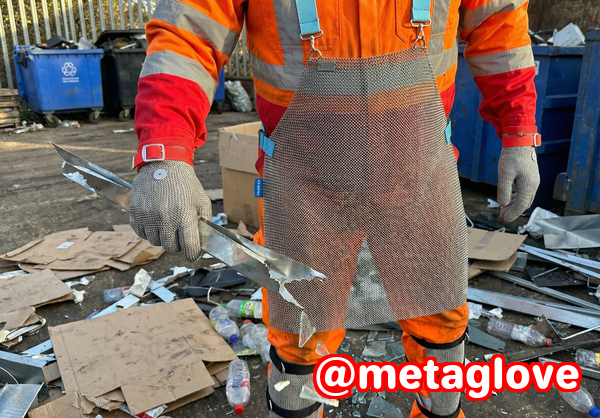
For many buyers, collectors, and professionals, purchasing chainmail can be tricky. Without the right knowledge, it’s easy to end up with a subpar productone that doesn’t meet your needs for safety, durability, or visual authenticity. Whether you’re protecting your hands from industrial cuts, serving food in a kitchen, or donning the mail for a medieval event, understanding the quality of chainmailor its ring mesh alternativescan make all the difference.
The Struggle of Finding High-Quality Chainmail
I know what it’s likeyou’re looking for chainmail for an important project, but every option on the market seems the same. Whether you’re trying to find a costume piece for cosplay, a piece for an industrial safety application, or a decorative item, there’s always that uncertainty about quality. How do you tell the difference between cheap imitations and genuine, high-quality chainmail?
In my search for the perfect chainmail, I’ve encountered many common pitfalls. Some of the most frequent mistakes are purchasing chainmail that isn’t up to the task at hand or overpaying for decorative pieces that can’t stand up to real-world use. It’s frustrating, but don’t worrythere’s a solution.
Common Pitfalls When Buying Chainmail
When you’re looking at chainmail products, there are a few key things to look out for that can make or break the quality. It’s not just about the look; it’s about the strength, durability, and overall craftsmanship of the piece.
1. Welded vs. Open Rings: Why It Matters
One of the biggest issues I’ve found in chainmail shopping is distinguishing between welded and open rings. Open rings are more likely to break apart, which is a serious issue when you need the mail for protection. Welded rings are far stronger and more durable, especially when exposed to stress. A good way to identify the quality of the ring is by checking the seam. If the ring looks like it has been fused closed at the ends, you’re looking at welded rings.
If you’re not sure, I recommend performing a simple test: gently pull at the rings. Welded rings should hold firm, whereas open rings might come apart under the slightest pressure.
2. Choosing the Right Stainless Steel Grade
Did you know that not all stainless steel is created equal? The grade of steel used in chainmail can affect its corrosion resistance, strength, and durability. The two most common grades for high-quality chainmail are 304 and 316 stainless steel.
304 stainless steel is commonly used for everyday applications, but it isn’t as resistant to corrosion in harsh environments, such as those involving saltwater or industrial chemicals. For applications like food handling or marine environments, 316 stainless steel is a better choice because of its enhanced resistance to rust and corrosion.
So, if you’re buying chainmail for industrial use or food processing, I highly recommend choosing 316 stainless steel. For lighter uses like cosplay, 304 steel may be sufficient.
3. Inconsistent Weaves or Weak Links
Another pitfall I’ve noticed in some chainmail products is weak or inconsistent weaves. In a high-quality chainmail piece, the weave should be uniform, tight, and free of weak spots. Weaving styles like the European 4-in-1 are popular for their strength and durability.
If you’re looking for chainmail for cut protection, a weak weave could make your purchase ineffective in providing the safety you need. European 4-in-1, for example, interlocks rings in a pattern that maximizes strength while allowing for flexibility. It’s an ideal choice for industrial applications where durability is a must.
How to Inspect and Verify Chainmail Quality
Now that you know the key areas to watch out for, let’s dive deeper into how you can inspect chainmail for quality. After all, the last thing you want is to waste money on a product that doesn’t live up to its claims.
1. Check the Material Type
As I mentioned earlier, the type of stainless steel used in the chainmail is crucial. The easiest way to determine if the chainmail is made from 304 or 316 stainless steel is to check the product description. High-quality brands, like Aegimesh, clearly state the material used. If it’s not listed, that’s a red flag.
2. Inspect the Rings and Weave
Next, take a good look at the rings. Are they welded or open? Are they evenly sized? Look for signs of distortion in the rings or uneven weaving. These imperfections can compromise the strength of the chainmail. If you’re unsure, a simple pull test can reveal whether the rings will hold up under pressure.
3. Wire Thickness and Inner Diameter
The thickness of the wire and the diameter of the rings also play a significant role in determining the durability of the chainmail. A thicker wire is generally more durable, and an appropriately sized inner diameter will prevent the rings from becoming too loose or too tight.
When inspecting chainmail, check that the wire thickness is consistent throughout the piece. Similarly, the inner diameter of each ring should be uniform, ensuring that the weave remains tight and effective.
4. Look for Signs of Corrosion
This one’s especially important if you’re using the chainmail in environments like kitchens, food processing, or marine applications. Even small signs of rust or corrosion can compromise the protection the chainmail offers. Be sure to check the rings for any discoloration or signs of oxidation.
5. Perform a Simple Pull Test
To see how strong the chainmail is, try gently pulling on it. If the rings start coming apart or if the weave loosens, you’re dealing with low-quality chainmail.
Why Proper Inspection Matters
Why go through all this trouble? Well, inspecting chainmail properly has major benefits. First, it can help you avoid purchasing unsafe or ineffective chainmailespecially critical when the item is intended for industrial use or protection. Second, proper inspection ensures that you’re getting your money’s worth. Low-quality chainmail might be cheaper upfront, but it’s likely to fail when you need it most, costing you more in the long run.
Finally, inspecting chainmail allows you to tailor your purchase to the specific needs of your projectwhether you’re preparing for a cosplay event, building a historical replica, or equipping yourself with industrial-grade cut-resistant armor.
In Conclusion: How to Make the Right Choice
I highly recommend taking the time to follow these inspection steps before purchasing any chainmail. Trust me, doing so can save you a lot of frustration and money. Whether you’re looking for chainmail for protection, display, or even for a cosplay project, following these guidelines will help ensure that you end up with a product that’s safe, durable, and high-quality.
To learn more about identifying high-quality chainmail products, check out our detailed chainmail inspection guide today: Aegimesh Chainmail Inspection Guide.
FAQs About Chainmail Quality
-
How can I tell if a chainmail ring is welded or open?
Look for a visible seam. Welded rings should appear smooth with no visible separation, while open rings will have a slight gap.
-
Which stainless steel grade is best for long-lasting chainmail?
For industrial use or food processing, choose 316 stainless steel. For cosplay or lighter uses, 304 stainless steel will work just fine.
-
How do I inspect the weave pattern for strength?
European 4-in-1 is a strong, common weave pattern. Ensure the rings are tightly interlocked, with no gaps or weak spots.
-
What are the signs of low-quality or unsafe chainmail?
Signs include inconsistent ring size, poor welding, weak weaves, and visible rust or corrosion.
-
Can decorative chainmail be used for protective purposes?
Decorative chainmail is often not durable enough for industrial protection. Always choose industrial-grade chainmail for safety.
-
How do I choose the right chainmail for industrial vs cosplay use?
For industrial use, look for heavy-duty, welded, and corrosion-resistant chainmail made from 316 stainless steel. For cosplay, you can go for lighter, decorative pieces made of 304 stainless steel.
-
Can I save money by avoiding low-quality chainmail?
Yes! By inspecting the material, weave, and rings, you can avoid cheap imitations that might cost you more in the long run.
Tags or Keywords
-
chainmail quality, welded rings, stainless steel chainmail, cut-resistant chainmail, chainmail inspection, European 4-in-1 weave