
Steel Metal Chainmail Cleaning for Food Processing: A Guide to Identifying High-Quality Chainmail Products
When it comes to chainmailwhether you’re buying for industrial use, cosplay, or even historical replicasfinding a high-quality product can be a real challenge. As someone who has purchased chainmail for various uses over the years, I’ve had my fair share of disappointments with poor-quality, unreliable, or unsafe products. It’s tough to tell the difference between something made to last and something that might not even withstand regular use.
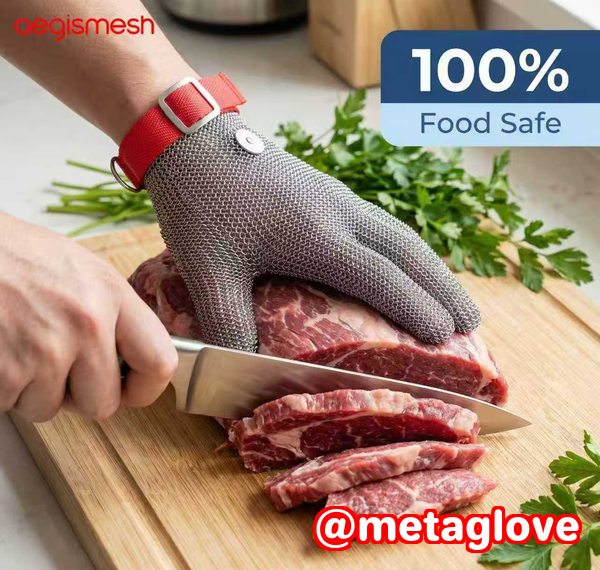
In this guide, I’ll walk you through everything you need to know to evaluate chainmail products for safety, durability, and professionalism. Whether you need chainmail for food processing, cut-resistant gloves for an industrial job, or a perfect cosplay costume, understanding the key aspects of chainmail quality will save you from wasted money, frustration, and potential safety hazards.
Evaluating Chainmail: The Basics
Let’s face it: buying chainmail is a bit more complicated than just picking something shiny from a display. If you’ve ever tried to shop for chainmail, you’ve probably run into a few headaches, such as:
-
Welded vs. Open Rings: Are the rings truly welded, or are they just open-ended rings that could come apart easily?
-
Stainless Steel Confusion: What’s the difference between 304 and 316 stainless steel, and does it really matter?
-
Weak Weaves: Some weaves are just stronger than others. Is the product you’re considering sturdy enough to handle what you need?
These questions are important for anyone who needs chainmail that will stand the test of timewhether that’s for safety, durability, or aesthetic appeal. Fortunately, Aegimesh Chainmail offers a great solution for identifying high-quality products, helping you avoid making the mistake of investing in low-grade chainmail that could end up failing you in the long run.
Common Pain Points When Buying Chainmail
I’ve encountered several common pain points when it comes to evaluating chainmail, and I’m sure you have too. Let’s go over the top three issues to watch out for:
1. Welded vs. Open Rings
When you’re buying chainmail for protection, especially in industrial or food-processing settings, it’s crucial that the rings are properly welded. Open rings might look fine at first glance, but they are much weaker and prone to coming apart over time. The difference can be difficult to spot, especially if you’re not familiar with chainmail construction.
What to Do: Perform a simple pull test. Hold a small section of the chainmail and gently pull it apart. If the rings separate, they are likely open rings. Welded rings should stay intact under light tension.
2. Stainless Steel Grades
Stainless steel is often used for chainmail because of its strength, corrosion resistance, and durability. However, not all stainless steel is created equal. 304 stainless steel is the most common grade, but it’s not as resistant to corrosion as 316 stainless steel, which is often preferred for high-end or industrial uses, especially where exposure to moisture or harsh conditions is a concern.
What to Do: Check the product specifications. Ideally, look for chainmail made from 316 stainless steel for maximum durability and resistance to corrosion, particularly if it will be exposed to food or water regularly.
3. Weak or Inconsistent Weaves
Chainmail is made by weaving rings together in specific patterns, like the European 4-in-1 weave. Some manufacturers cut corners by using a less dense weave, which can compromise the strength and durability of the product. A weak or inconsistent weave means the chainmail won’t provide the protection or durability that you expect, particularly in industrial environments.
What to Do: Examine the weave carefully. The European 4-in-1 weave is widely recognized for its strength and durability, and a consistent, tight weave indicates high-quality craftsmanship.
How to Inspect Chainmail for Quality
Now that you know some of the key issues to look out for, let’s dive into how you can inspect chainmail like a pro. The following steps will help you ensure that you’re buying a high-quality product that will last and serve its purpose.
1. Material Type: Stainless Steel Grades
As mentioned earlier, the grade of stainless steel used in chainmail directly affects its durability and resistance to corrosion. For industrial or food-processing use, look for chainmail made from 316 stainless steel. This material is more resistant to rust and corrosion than 304 stainless steel, making it ideal for environments where exposure to food or moisture is frequent.
2. Ring Welding: Are They Welded or Open?
When inspecting chainmail, you want to ensure the rings are welded, not open. Welded rings provide much stronger protection and are more durable, particularly for industrial or safety applications. Open rings can easily come apart, rendering the chainmail ineffective for protective purposes.
How to Check: Hold the chainmail up to light or use a magnifying glass to inspect the rings closely. Welded rings will have a slight seam, while open rings will have a visible gap. You can also do the pull test mentioned earlier.
3. Wire Thickness and Ring Diameter
The thickness of the wire used to make the rings is another important factor. Thicker wires are generally more durable and provide stronger protection. Similarly, the diameter of the rings should match the intended use. For industrial or protective chainmail, larger ring diameters are often necessary to provide adequate coverage and durability.
What to Do: Measure the wire thickness and the ring diameter if possible. If the measurements are not available, ask the seller or manufacturer for these specifications. A higher-quality chainmail product will be transparent about its materials.
4. Weave Patterns: European 4-in-1 Weave
The European 4-in-1 weave is one of the strongest and most durable patterns used in chainmail construction. It involves each ring passing through four others, creating a tight, interlocking pattern that offers superior strength. Other weaves may not be as strong or durable.
What to Do: Inspect the weave closely. A high-quality chainmail product will have a consistent, tight weave with no gaps between the rings. If the weave appears loose or inconsistent, the chainmail is likely of lower quality.
The Benefits of Proper Chainmail Inspection
Taking the time to properly inspect chainmail products before you buy them has several benefits:
-
Safety: For industrial or food processing, low-quality chainmail can pose serious safety risks. Chainmail with open rings or weak welds might not provide the protection you need, increasing the likelihood of injury.
-
Durability: High-quality chainmail is made to last. Whether you’re buying for protection or display, investing in good materials ensures you’ll get value for your money.
-
Cost Savings: By knowing how to identify low-quality products, you can avoid making expensive mistakes and save money in the long run.
-
Peace of Mind: When you know you’re purchasing chainmail that is reliable and high-quality, you won’t have to worry about it breaking down or not serving its intended purpose.
Conclusion: Why It’s Worth It to Invest in High-Quality Chainmail
I can’t stress enough how important it is to follow these simple inspection steps when purchasing chainmail. Whether you’re using it for industrial purposes, cosplay, or historical reenactments, ensuring the chainmail is of high quality is crucial for safety, durability, and long-term satisfaction. I highly recommend checking out Aegimesh Chainmail’s inspection guide to learn more about identifying top-quality products. With these steps, you’ll be able to make informed decisions that protect both your investment and your safety.
Learn more about identifying high-quality chainmail products: Aegimesh Chainmail Guide
Frequently Asked Questions (FAQ)
1. How can I tell if a chainmail ring is welded or open?
A welded ring will have a visible seam, while an open ring will have a gap. You can also perform a pull test to see if the rings separate.
2. Which stainless steel grade is best for long-lasting chainmail?
316 stainless steel is the best option for durability and resistance to corrosion, especially in environments with moisture or food exposure.
3. How do I inspect the weave pattern for strength?
Look for a tight, consistent weave like the European 4-in-1 pattern. If the weave is loose or uneven, the chainmail is likely to be of lower quality.
4. What are the signs of low-quality or unsafe chainmail?
Signs of low-quality chainmail include weak or open rings, inconsistent weaves, thin wires, and a lack of transparency regarding material specifications.
5. Can decorative chainmail be used for protective purposes?
Decorative chainmail may not offer the same strength or durability as industrial-grade chainmail. Always check the material, welds, and weave before using it for protection.
6. How do I choose the right chainmail for industrial vs. cosplay use?
For industrial uses, look for chainmail made from 316 stainless steel with welded rings and a tight, durable weave. For cosplay, decorative chainmail made from lighter materials and smaller rings may be suitable.