
Steel Metal Chainmail in High-Performance Safety Gear
When it comes to protective gear, especially for industrial or cosplay use, chainmail can be an excellent choice. But as with any product, not all chainmail is created equal. I’ve spent years in this industry, and let me tell you it can be challenging to determine which chainmail is truly high-quality, durable, and safe for use. Whether you’re outfitting yourself for a medieval reenactment or you’re selecting chainmail to protect workers in a high-risk environment, choosing the right product can make all the difference.
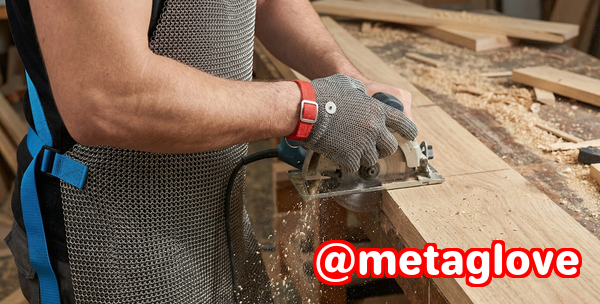
In this guide, I’ll walk you through the steps to evaluate chainmail quality, share practical tips, and explain how to avoid the common pitfalls when shopping for these specialized products.
The Chainmail Dilemma: How to Tell Quality from Imitation
Picture this: You’re at a vendor booth or online marketplace, looking at several different chainmail options. Some claim to be industrial-strength, while others are marketed as high-performance for cosplay. The problem? How do you know which one is the real deal and which one is a poorly made imitation? The last thing you want is to buy chainmail that might fall apart after a few uses or, worse, offer no protection at all.
You’re not alone in this struggle. Many buyers face similar challenges, and it’s easy to get caught up in flashy marketing or confusing product descriptions. But don’t worry I’ve got you covered.
In this post, I’ll guide you through the process of identifying the highest-quality chainmail products, whether you’re shopping for personal safety, industrial use, or cosplay purposes. The key lies in understanding the materials, inspecting the craftsmanship, and knowing the right questions to ask. Let’s dive in!
Common Pain Points When Evaluating Chainmail
Before you start inspecting every piece of chainmail, let’s talk about some of the common pain points buyers face:
1. Welded Rings vs. Open Rings
One of the biggest mistakes people make is failing to distinguish between welded rings and open rings. The difference is essential, especially when it comes to durability. Welded rings are fused closed, providing greater strength and ensuring the weave stays intact even under stress. Open rings, on the other hand, are more likely to loosen or break over time.
2. Choosing the Right Stainless Steel
You may come across different types of stainless steel being advertised for chainmail, most commonly 304 and 316. While both are rust-resistant, 316 stainless steel is more durable and offers better corrosion resistance, making it the better choice for high-performance safety gear.
3. Weak or Inconsistent Weaves
Another common issue is weak or inconsistent weaves. When you’re dealing with chainmail, it’s crucial to ensure that the weave pattern is tight and secure. Poor craftsmanship can lead to gaps, weak spots, or a weave that unravels easily, leaving you unprotected.
Now, let’s look at how you can evaluate chainmail effectively to avoid these issues.
How to Inspect Chainmail Quality: A Step-by-Step Guide
When you’re assessing the quality of a chainmail product, you need to take a close look at several factors. Let’s break down the key elements to inspect and how you can do it yourself.
1. Material Check: Stainless Steel Grades (304 vs 316)
Start by asking the supplier or checking the product description to confirm the type of stainless steel used. While 304 stainless steel is common and affordable, it’s more prone to rust over time, especially when exposed to moisture or harsh environments. On the other hand, 316 stainless steel offers superior resistance to corrosion, making it ideal for chainmail used in demanding environments like industrial workplaces or food processing.
Tip: Always go for 316 stainless steel when in doubt. It’s worth the investment for durability.
2. Welded vs. Open Rings
The best way to check if the rings are welded or open is by inspecting the chainmail closely. Welded rings will have a smooth, continuous finish with no visible seam or gap. You can also perform a simple pull test try gently tugging on the rings. If the rings start to separate or loosen, they are likely open rings. If they stay intact, you have welded rings.
The benefit of welded rings cannot be overstated. They are significantly stronger and more durable, making them the preferred option for safety gear and long-term use.
3. Ring Diameter and Wire Thickness
The size of the rings and the thickness of the wire used are crucial for chainmail’s strength and durability. Ideally, you want a ring diameter that’s not too large (which could compromise the weave) but large enough to allow flexibility and comfort.
Wire thickness is just as important. Thicker wire increases the chainmail’s resistance to cuts and abrasions, making it safer for industrial use or any situation where protection is needed.
4. Inspecting the Weave Pattern: European 4-in-1
One of the most common and reliable weave patterns you’ll find is the European 4-in-1. This weave consists of four rings passing through one central ring, creating a strong and flexible mesh. If you’re looking for high-performance chainmail, ensure the weave is tight and uniform. Gaps or inconsistencies in the pattern can weaken the overall structure.
Tip: The tighter the weave, the stronger the chainmail will be. This is crucial if you need the chainmail for protective purposes.
5. Performing a Simple Pull Test
To check the strength of the chainmail, you can perform a pull test. Simply grab a section of the chainmail and gently pull to see if it holds together. If you notice any rings popping out or the weave coming undone, it’s a clear sign of poor craftsmanship. This test works best with welded rings, as they provide the most reliable connection.
6. Signs of Corrosion or Wear
Inspect your chainmail for any signs of rust or corrosion. Even though stainless steel is rust-resistant, low-quality materials or poor manufacturing practices can lead to corrosion over time. If the product looks tarnished or has visible rust spots, it’s best to avoid it. Corrosion can compromise the chainmail’s protective capabilities, especially in industrial settings.
7. Choosing the Right Chainmail for the Job
Not all chainmail is suited for every task. For industrial use, you’ll want chainmail made with thicker wire and a tight, consistent weave to protect against cuts and abrasions. For cosplay, on the other hand, you may want something more flexible and lightweight. Decorative chainmail might look great, but it won’t provide the same level of protection as the high-performance gear you’d use in an industrial environment.
Why Chainmail Inspection Matters
Now that you know how to inspect chainmail quality, let’s talk about the benefits of doing so.
-
Safety: Whether you’re using chainmail for industrial work, food processing, or personal protection, quality is paramount. Inspecting your chainmail ensures it can withstand the physical demands of your job, reducing the risk of injury.
-
Durability: High-quality chainmail is designed to last. By identifying the right materials, rings, and weave patterns, you can make sure your purchase stands the test of time.
-
Saving Money: Avoid wasting money on low-quality chainmail that won’t hold up. By following these inspection steps, you’ll be able to spot poor craftsmanship and make smarter purchasing decisions.
Conclusion: How to Ensure a Smart Chainmail Purchase
In conclusion, I highly recommend following these inspection steps to ensure that your chainmail purchase meets safety and durability standards. Whether you need it for industrial work, food processing, cosplay, or just as a collectible, proper inspection will help you make an informed choice.
Don’t let low-quality chainmail put you at risk or waste your hard-earned money. Take the time to evaluate each product carefully, ask the right questions, and trust your instincts. With the right knowledge, you can identify high-quality, reliable chainmail that will stand the test of time.
Learn more about identifying high-quality chainmail products here. Or, check out our detailed chainmail inspection guide today.
FAQs
1. How can I tell if a chainmail ring is welded or open?
Look for a smooth, continuous finish with no visible seam. You can also gently pull on the rings; if they stay intact, they’re welded.
2. Which stainless steel grade is best for long-lasting chainmail?
316 stainless steel is the best choice for durability and corrosion resistance, especially in industrial or high-performance environments.
3. How do I inspect the weave pattern for strength?
Look for a tight, uniform pattern, especially if it’s European 4-in-1. Any gaps or inconsistencies can weaken the overall structure.
4. What are the signs of low-quality or unsafe chainmail?
Signs include loose rings, poor welding, visible corrosion, or inconsistent weaves. Always check the product before purchase.
5. Can decorative chainmail be used for protective purposes?
Decorative chainmail is typically not made with the durability needed for protection. Always choose industrial-grade chainmail for safety gear.
6. How do I choose the right chainmail for industrial vs. cosplay use?
For industrial use, look for thicker wire, a tight weave, and corrosion-resistant materials. For cosplay, focus on flexibility, comfort, and appearance.
Tags or Keywords:
-
chainmail quality, welded rings, stainless steel chainmail, cut-resistant chainmail, chainmail inspection, European 4-in-1 weave, chainmail durability