
Steel Metal Chainmail Strength Optimization
When purchasing chainmail for protection or display, I often struggle to know which products are genuinely high-quality. Whether you’re an industrial user needing cut-resistant protection or a cosplayer hunting for that perfect historical replica, the sheer variety of chainmail products on the market can leave you feeling overwhelmed. How do you separate the high-quality, durable options from the fragile, low-quality ones? In this article, we’ll explore how to identify top-tier chainmail and avoid making costly mistakes.
How to Identify High-Quality Chainmail: A Step-by-Step Guide
Chainmail products come in a range of qualities, materials, and weaves, making it tough for buyers to know what to look for. A poorly made chainmail suit or accessory not only wastes money but can also compromise safety. Whether you’re buying chainmail for industrial use, food handling, cosplay, or historical display, understanding what makes one product better than another is key.
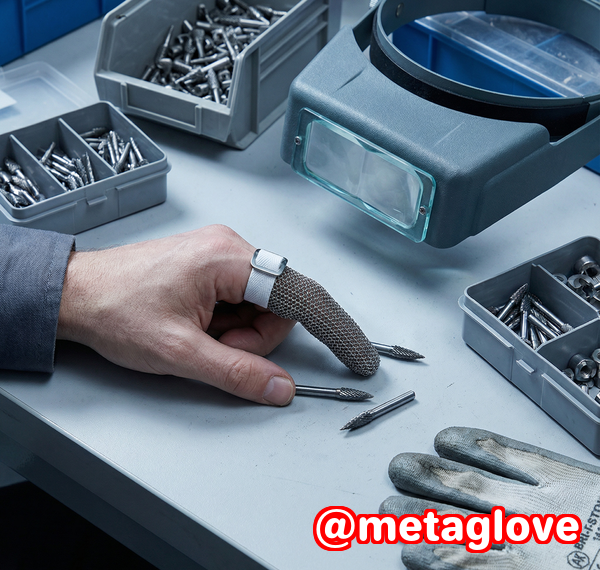
As a passionate collector and someone who frequently advises others on selecting high-quality chainmail, I’ve created this guide to help you make informed decisions. From checking the material type to inspecting the weave pattern, here’s how you can confidently assess the quality of chainmail and optimize your purchase.
Pain Points Buyers Face When Evaluating Chainmail
-
Welded vs. Open Rings
One of the first challenges buyers encounter is determining whether the rings in a piece of chainmail are welded or open. Welded rings are far superior in terms of durability and safety, making them ideal for protection. Open rings, on the other hand, are less reliable and often used in cheaper, decorative chainmail.
-
Choosing the Right Stainless Steel Grade
Chainmail is often made from stainless steel, but not all stainless steel is created equal. The two most common grades you’ll encounter are 304 and 316. While 304 stainless steel is often used for decorative purposes, 316 stainless steel offers superior corrosion resistance, making it the preferred choice for industrial or food-processing chainmail.
-
Inconsistent Weaves and Fragile Durability
Chainmail with poor-quality weaves can lose its structural integrity over time, especially if exposed to stress or pressure. A weak weave might break under force, making it unsuitable for protective applications. Weaves like the European 4-in-1 are recognized for their strength and durability.
Step-by-Step Guide to Inspecting Chainmail Quality
Now that we’ve outlined the main pain points, let’s dive into the inspection process. Here’s how you can evaluate the quality of a chainmail product, whether you’re buying for industrial, cosplay, or other uses.
1. Check the Material Type
The first step is to verify the material of the chainmail. Stainless steel is the most common material, but not all stainless steel is the same. Chainmail made from 304 stainless steel is widely available, but it’s more prone to corrosion over time, especially in harsh environments. For a longer-lasting product, especially for industrial or food handling purposes, 316 stainless steel is your best bet.
Tip:
You can easily identify stainless steel grades by asking the seller or manufacturer. If you’re inspecting the chainmail in person, look for corrosion signs or discoloration304 steel might have more rust spots, while 316 steel will resist this.
2. Inspect the Rings: Welded vs. Open
Welded rings are the hallmark of high-quality chainmail. They are heated and fused together, creating a permanent bond that ensures the rings will stay intact under pressure. Open rings, on the other hand, can be pulled apart and won’t offer the same level of durability.
To check whether the rings are welded or open, gently tug on a few rings. If they don’t budge and feel securely locked in place, they are likely welded. However, if they can be moved or separated, you’re dealing with open rings.
Pro Tip:
Welded rings are a must for industrial applications, food handling, or any use where durability is crucial. Open rings are usually sufficient for display or cosplay purposes, but not recommended for protective gear.
3. Evaluate the Wire Thickness and Inner Diameter
The thickness of the wire and the inner diameter of the rings are two crucial factors that affect the strength of chainmail. Thicker wire will make the chainmail more resistant to cuts and wear, which is especially important in industrial environments.
The inner diameter of the rings affects the flexibility and durability of the weave. Too small, and the chainmail will be stiff and uncomfortable. Too large, and the weave will be weak and prone to breaking under pressure.
Tip:
For industrial or cut-resistant chainmail, look for a wire thickness of at least 16 gauge and rings with a diameter that fits comfortably around your fingers. For cosplay or decorative purposes, thinner wire and larger ring diameters may be more appropriate.
4. Inspect the Weave Pattern
The weave pattern is another critical factor in determining the quality of chainmail. The European 4-in-1 weave is one of the most durable and widely used patterns. It’s made up of four rings woven through one central ring, creating a strong interlocking structure. This weave pattern offers excellent protection, especially in industrial or protective chainmail.
Take the time to closely examine the weave. Ensure that the rings are neatly woven together with no gaps or irregularities. A poor-quality weave will show loose rings, which can cause the entire structure to weaken.
Pro Tip:
For cosplay or historical reenactment purposes, the weave pattern might be less important in terms of functionality. However, for cut protection or industrial use, the European 4-in-1 weave is highly recommended.
Why Chainmail Inspection is Essential
By now, you should have a clear idea of how to assess the quality of chainmail. Proper inspection ensures that the product you purchase is durable, safe, and suitable for your needs. Here’s why you should always inspect chainmail before making a purchase:
-
Avoid Unsafe Chainmail for Industrial Use: Low-quality chainmail can break under stress, leading to potential accidents, especially in environments where sharp tools or machines are present.
-
Ensure Durability for Decorative Use: If you’re purchasing chainmail for cosplay or display, you still want it to last. A weak weave or thin wire will wear out quickly.
-
Save Money: By identifying low-quality chainmail early, you avoid wasting money on a product that won’t stand up to your expectations or needs.
Final Recommendations for Chainmail Buyers
After considering all these factors, I highly recommend following these steps to ensure that any chainmail purchase meets safety and durability standards. Don’t settle for anything less than the best when it comes to materials, weaves, and overall craftsmanship.
If you’re serious about finding high-quality chainmail for industrial, cosplay, or historical use, make sure to inspect the product thoroughly. Look for welded rings, a robust wire thickness, and a weave pattern that offers the right balance of flexibility and strength.
Want to learn more about identifying high-quality chainmail products?
Check out our detailed chainmail inspection guide today at Aegimesh.
FAQs
-
How can I tell if a chainmail ring is welded or open?
Gently pull on a few rings. If they’re welded, they won’t separate. Open rings will pull apart easily.
-
Which stainless steel grade is best for long-lasting chainmail?
For the most durable and corrosion-resistant chainmail, opt for 316 stainless steel. It’s ideal for industrial or food processing uses.
-
How do I inspect the weave pattern for strength?
Look for the European 4-in-1 weave pattern, which offers excellent durability. Check for gaps or irregularities in the weave.
-
What are the signs of low-quality or unsafe chainmail?
Signs include weak or inconsistent weaves, loose rings, thin wire, or rusting rings. These can make the chainmail unsafe for protective use.
-
Can decorative chainmail be used for protective purposes?
Generally, decorative chainmail is not designed to withstand stress or provide protection. It’s ideal for cosplay or display, but not for industrial or safety purposes.
-
How do I choose the right chainmail for industrial vs. cosplay use?
For industrial use, prioritize chainmail made with welded rings, thicker wire, and a strong weave pattern like European 4-in-1. For cosplay, you can focus more on aesthetic details but still consider durability.
Keywords
-
Chainmail quality
-
Welded rings
-
Stainless steel chainmail
-
Cut-resistant chainmail
-
Chainmail inspection
-
European 4-in-1 weave
-
Chainmail durability