
Steel Metal Chainmail and Industrial Longevity: How to Spot the Best Quality for Durability and Safety
When purchasing chainmail, whether for protection in an industrial setting, cosplay, or historical reenactments, many buyers face a common challenge: how can I be sure that what I’m buying is truly high-quality? Too often, low-quality, poorly crafted chainmail products make their way to the market, posing safety risks and costing buyers money. But the truth is, identifying a well-made chainmail product is easier than you might thinkif you know what to look for.
As someone who has worked with chainmail for years, I’ve learned firsthand that a little knowledge can go a long way. In this post, I’ll guide you through the process of evaluating chainmail products, from inspecting the material and ring welding to checking the weave pattern. Whether you’re in the market for industrial-grade protection or a decorative piece, this guide will help ensure that your purchase is worth the investment.
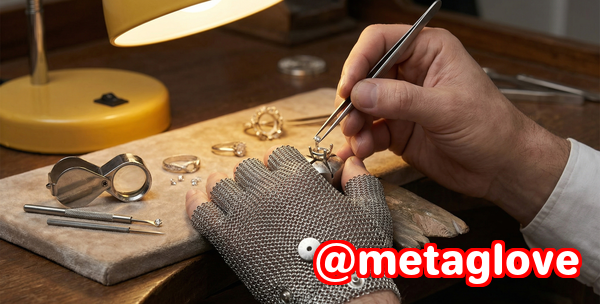
Pain Points When Evaluating Chainmail
When it comes to chainmail, not all products are created equal. In fact, some may look similar but vary drastically in terms of quality, durability, and safety. Here are a few common pain points that many buyers experience when trying to identify a top-notch chainmail product:
-
Distinguishing Welded Rings from Open Rings: One of the first things to check is whether the rings are welded shut or simply open. Open rings are more likely to break under stress, making them unsuitable for protective gear.
-
Understanding Stainless Steel Grades: You may come across terms like ‘304’ or ‘316’ stainless steel when shopping for chainmail. But what do these grades actually mean? Some steels are more resistant to corrosion and better for high-stress environments than others, so knowing which grade to choose is crucial.
-
Weak or Inconsistent Weaves: Not all weaves are created equal. European 4-in-1, for example, is one of the strongest and most commonly used weaves. But even within a specific weave type, the quality can vary depending on how tightly or consistently it’s made.
At Aegimesh, we’ve designed our chainmail with all these factors in mind. Our products are made using high-quality materials and weaves, ensuring durability, safety, and reliability in every ring. But how can you be sure you’re getting the best? Let’s dive into the steps you can take to inspect and verify the quality of any chainmail product.
How to Inspect and Verify Quality Chainmail
1. Check the Material Type: Stainless Steel Grades
The material is the foundation of any chainmail product. The two most commonly used stainless steel grades for chainmail are 304 and 316, but which one is better? Here’s a breakdown:
-
304 Stainless Steel: This is the most common type of stainless steel and is generally good for most uses, including decorative chainmail and lightweight protection. It has moderate resistance to corrosion but isn’t ideal for highly corrosive environments like saltwater or food processing.
-
316 Stainless Steel: This grade is more resistant to corrosion, especially from saltwater and harsh chemicals. It’s a better choice for industrial and food-handling applications where longevity and rust resistance are essential.
2. Inspect the Ring Welding
One of the easiest ways to assess chainmail quality is by inspecting how the rings are welded. A welded ring chainmail is far superior to an open-ring design. Open rings are vulnerable to opening under stress, which could compromise the strength of the whole product.
To check if a chainmail ring is welded:
-
Look for a seam: A well-welded ring should have a smooth seam where the ends meet, creating a secure, seamless loop. If the ring looks like it was simply bent into shape and not properly closed, it’s likely an open ring.
-
Test the strength: Perform a simple pull test by gently tugging at the rings. Welded rings should hold up without any issue, while open rings may show signs of weakness.
3. Evaluate the Wire Thickness and Inner Diameter
The thickness of the wire and the size of the inner diameter of the rings can drastically affect the strength and flexibility of the chainmail. Thicker wire will generally offer more durability, while smaller inner diameters will provide a denser, tighter weave.
Here’s what to look for:
-
Wire Thickness: Check the gauge of the wire. Thicker wire (lower gauge) will be stronger and more durable, while thinner wire (higher gauge) is more flexible but may not hold up as well in heavy-duty applications.
-
Inner Diameter of Rings: The inner diameter refers to the space inside the rings. A well-made chainmail should have consistent ring diameters to ensure a balanced weave and maximum protection. If the inner diameter varies widely from ring to ring, it could signal poor craftsmanship.
4. Assess the Weave Pattern: European 4-in-1
The weave pattern is an essential aspect of chainmail. Some weaves are stronger than others, making them more suitable for high-stress applications like industrial use or protective gear.
One of the most common and strongest patterns is the European 4-in-1 weave, where each ring is connected to four other rings, creating a sturdy, interlocked grid. When inspecting the weave, look for:
-
Consistency: The rings should fit snugly together with no visible gaps or irregularities. A loose or uneven weave can weaken the structure, making the chainmail less effective for its intended purpose.
-
Tightness: A tightly woven 4-in-1 pattern will offer more strength and flexibility than a loose one. If the weave is too loose, it will be less durable and may not withstand repeated stress.
Why Quality Matters: Real-World Scenarios
Knowing how to inspect chainmail can save you time, money, and potential safety risks. Here are some real-world examples of why quality matters:
-
Industrial Cut Protection: If you’re using chainmail for cut-resistant gloves or aprons in a high-risk environment, such as meat processing, poor-quality chainmail could expose workers to dangerous cuts. Only properly welded rings and durable, corrosion-resistant steel like 316 will provide adequate protection.
-
Cosplay or Historical Replicas: For those looking to create authentic-looking medieval armor, using low-quality chainmail can result in a poor final product. Besides not looking right, low-quality rings may break or distort under pressure.
-
Food Handling: In the food industry, chainmail gloves are used to protect workers from cuts. If the chainmail is made with open rings or thin, inconsistent wire, the gloves won’t perform as they should, potentially causing injury.
Practical Tips for Inspection
Now that you know what to look for, here are some easy steps you can take to inspect any chainmail product:
-
Perform a Pull Test: Gently pull at the rings to see if they hold together. Welded rings should not come apart under light to moderate stress.
-
Examine the Rings: Check each ring to ensure that it’s welded securely. If you notice any open rings or seams that don’t match up, consider it a red flag.
-
Check for Signs of Corrosion: If the chainmail shows signs of rust or discoloration, especially around the seams or rings, it could indicate poor-quality stainless steel or a lack of proper protective coatings.
-
Identify the Weave: If you’re not sure whether the weave is European 4-in-1 or another type, try gently flexing the piece. A tight, dense weave will feel firm and sturdy, while a loose weave may feel flimsy.
Conclusion
To ensure that you’re purchasing a high-quality, durable chainmail product, always remember to check the material, ring welding, wire thickness, inner diameter, and weave pattern. These key factors will help you distinguish between a product that’s made to last and one that’s just for show.
I highly recommend following these steps when purchasing any chainmail productwhether for industrial use, cosplay, or historical reenactmentsto ensure that your purchase meets safety and durability standards. It’s always better to spend a little extra time inspecting the product upfront than to deal with an unsafe or flimsy purchase later.
For more detailed guidance on inspecting chainmail, check out our full inspection guide at Aegimesh and ensure you get the best quality every time.
FAQs
How can I tell if a chainmail ring is welded or open?
-
Look for a smooth seam where the ends of the ring meet. Welded rings will have a solid bond, while open rings will show a gap where they join.
Which stainless steel grade is best for long-lasting chainmail?
-
316 stainless steel is the best option for high-resistance to corrosion and is ideal for industrial or food handling purposes. 304 stainless steel is a good option for decorative or light-duty applications.
How do I inspect the weave pattern for strength?
-
Look for evenness and tightness in the weave. The European 4-in-1 weave is one of the strongest, so check for a dense, tightly interlocked pattern.
What are the signs of low-quality or unsafe chainmail?
-
Signs include inconsistent ring size, open rings, weak welds, or corrosion. Low-quality chainmail often has a loose, irregular weave.
Can decorative chainmail be used for protective purposes?
-
Decorative chainmail is generally not as strong or durable as protective chainmail. If you need protection, look for welded rings and appropriate steel grades.
How do I choose the right chainmail for industrial vs cosplay use?
-
For industrial use, opt for chainmail made from 316 stainless steel with tightly welded