
Steel Metal Chainmail Durability in Daily Use
When it comes to buying chainmail, whether for protection, cosplay, or display, one of the most common frustrations is identifying whether the product is truly of high quality. From purchasing for safety in an industrial setting to sourcing authentic historical replicas for your collection, the process can quickly become overwhelming. So, how do you tell the difference between high-quality chainmail and the kind that might fall apart with just a few uses?
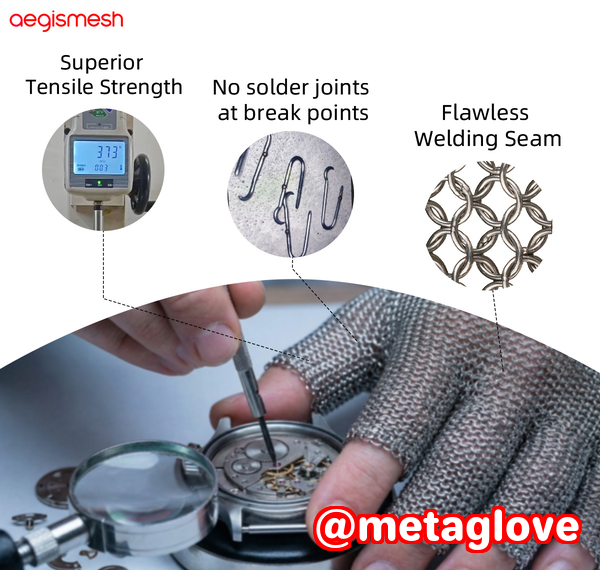
You’ve probably heard of the key terms like ‘welded rings’ or ‘European 4-in-1 weave,’ but how can you tell if a chainmail piece lives up to its promises of durability and safety? Let me walk you through the process of evaluating chainmail for quality, so you can be sure that you’re making a smart, safe investment.
The Challenge of Identifying Quality Chainmail
Picture this: You’re at a medieval fair, eyeing a shiny new chainmail shirt. It looks beautifulsleek, uniform, and a perfect fit for your cosplay. But, as much as you love the look, you wonder: will this hold up to the wear and tear of daily use? Or, worse, what if it’s not actually protective at all?
This scenario isn’t uncommon. Many buyers struggle with distinguishing between high-quality chainmail and subpar versions that might look the part but lack durability. As a result, many end up with products that are either unsafe for industrial use or not practical for their intended purpose. Luckily, with the right inspection methods, you can easily avoid these common pitfalls.
Common Pain Points in Evaluating Chainmail Quality
When evaluating chainmail, the most common pain points often come down to these areas:
-
Distinguishing Welded Rings from Open Rings
It can be surprisingly difficult to tell the difference between welded rings and open ones. Open rings, while less expensive to produce, compromise the integrity of the weave. They’re prone to slipping out of place over time, making them less reliable for protection.
-
Understanding Stainless Steel Grades and Corrosion Resistance
Not all stainless steel is created equal. Many people are unfamiliar with the differences between the common grades 304 and 316. Grade 316 is much more corrosion-resistant and is preferred for food processing or use in wet environments. If you’re buying chainmail for industrial or safety use, understanding this difference is crucial.
-
Weak or Inconsistent Weaves
Weave patterns like the European 4-in-1 (the most popular pattern) are essential for the durability and protection a chainmail product offers. If the weave is inconsistent or poorly executed, the chainmail may break down more easily under stress. For collectors or those seeking a historical look, the authenticity of the weave pattern can also make or break the quality.
How to Inspect Chainmail for Quality
Now that we’ve identified some of the common issues, let’s get into the practical steps for evaluating chainmail:
1. Check the Material Type
304 vs. 316 Stainless Steel: If you’re buying chainmail for industrial or food processing purposes, ensure it’s made from 316 stainless steel, which offers superior corrosion resistance, especially in wet or high-salt environments. Grade 304 is commonly used for decorative purposes, but it’s more vulnerable to rust when exposed to moisture over time.
2. Inspect the Welding and Ring Thickness
A welded ring is significantly more durable than an open ring. Look for a seam where the ends of the wire have been fused together. If you see a gap or visible joint, it’s likely an open ring, and that’s a red flag. Additionally, thicker wire generally means stronger chainmail. Check the wire thickness, as thinner wire can cause the rings to distort or break more easily under stress.
3. Examine the Weave Pattern
The European 4-in-1 weave is one of the most popular and reliable patterns, offering a balance of strength and flexibility. In this pattern, each ring passes through four other rings, creating a sturdy structure. Inspect the rings carefully to ensure they are properly woven together without gaps or weak spots in the pattern.
4. Perform a Simple Pull Test
One of the easiest ways to test the integrity of chainmail is the pull test. Grab a handful of rings and give them a gentle tug. If the weave feels loose or if rings start to slip out of place, it’s a sign of poor craftsmanship. A high-quality chainmail product should feel sturdy, with the rings firmly in place.
5. Look for Signs of Corrosion
A quick visual inspection can tell you a lot about the material’s condition. Look for any discoloration or signs of rust, especially around the seams or where the rings meet. Rust on stainless steel indicates poor quality or improper care. Even small amounts of corrosion can weaken the structure of the chainmail, so it’s best to avoid products that show these signs.
Why Proper Inspection Matters
So why should you take the time to inspect your chainmail purchase carefully? Here are the key reasons:
-
Safety and Durability: Chainmail used for industrial protection (like cut-resistant gloves or aprons) needs to meet strict durability standards. By properly inspecting the material, rings, and weave, you ensure that your product can withstand wear and tear without failing.
-
Avoiding Wasted Money: Low-quality chainmail may seem like a good deal at first, but poor materials and construction can lead to premature wear and breakage. By identifying issues before you buy, you save money in the long run.
-
Ensuring Longevity: If you’re purchasing chainmail for cosplay, historical reenactments, or even as a collectible, you want it to last. Well-crafted chainmail will stand the test of time, while inferior products might fray, rust, or break within a few uses.
-
Suitability for Specific Uses: Chainmail for industrial use, like food processing, needs to meet specific criteria for cleanliness and durability. Similarly, cosplay chainmail doesn’t need the same level of strength but should still look authentic and hold up to regular wear.
Key Takeaways
When shopping for chainmail, take the time to properly inspect each product for the following:
-
Material quality: Look for 316 stainless steel for industrial or food-safe uses.
-
Welding quality: Prefer welded rings over open rings for stronger, safer chainmail.
-
Weave pattern: Check that the weave is even and tightly packed for maximum durability.
-
Ring integrity: Perform a simple pull test to ensure the rings are firmly held in place.
By following these steps, you can confidently choose chainmail that will serve your needswhether you’re protecting yourself from cuts in an industrial setting, making a historical costume, or displaying a beautiful collectible piece.
FAQs
How can I tell if a chainmail ring is welded or open?
Look closely at the seam. Welded rings will have a visible fused joint, while open rings will show a gap where the ends don’t meet.
Which stainless steel grade is best for long-lasting chainmail?
Grade 316 stainless steel is the best choice for durability and corrosion resistance, particularly in wet or high-salt environments.
How do I inspect the weave pattern for strength?
The European 4-in-1 weave is a reliable pattern for strength. Check that each ring passes through four others, with no loose ends or gaps.
What are the signs of low-quality or unsafe chainmail?
Look for rust, poorly welded rings, inconsistent weave patterns, and rings that are loose or slipping out of place.
Can decorative chainmail be used for protective purposes?
No. Decorative chainmail is often made with open rings and thinner wires, which are not suitable for protection.
How do I choose the right chainmail for industrial vs. cosplay use?
For industrial use, look for thicker, welded rings made from 316 stainless steel. For cosplay, choose lightweight chainmail that is easy to wear and has an authentic look.
What if I need chainmail for food handling?
Be sure to choose 316 stainless steel for food-safe applications. It’s highly resistant to corrosion and easy to clean, making it ideal for environments where hygiene is important.
Conclusion
In summary, identifying high-quality chainmail doesn’t have to be a daunting task. By inspecting the material, welds, weave, and performing a simple pull test, you can ensure that any chainmail product you buy meets the standards for safety and durability. Whether you’re using it for industrial purposes, cosplay, or as a collector’s item, these steps will help you make an informed purchase that’s worth your investment.
I highly recommend following these steps to ensure any chainmail purchase meets safety and durability standards. Don’t risk wasting money on subpar productsinvest in quality from the start.
Learn more about identifying high-quality chainmail products: Aegimesh Chainmail Guide