
Steel Metal Chainmail Performance Testing Explained
When you’re buying chainmailwhether for industrial use, cosplay, or as a collectorhow do you ensure you’re getting the best? Chainmail is a time-honored product, beloved for its versatility, but it’s also easy to get stuck with poor-quality pieces. As a buyer, it’s hard to know which products will offer long-lasting protection and which will fall apart after a few uses. You need reliable guidance to make sure your investment is worth it.
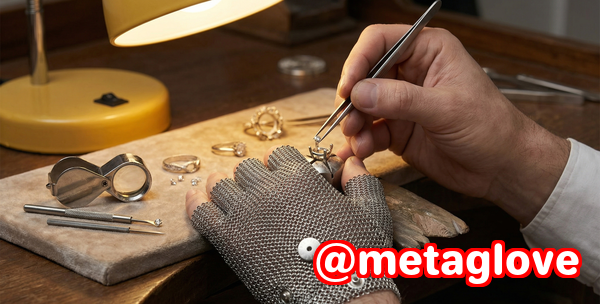
In this guide, I’ll show you how to perform your own inspection of chainmail products, covering everything from identifying welded rings to ensuring you’re picking the right stainless steel grade. Whether you’re shopping for cut-resistant chainmail for work, cosplay gear, or decorative pieces for your collection, this article will teach you the ins and outs of chainmail quality testing.
Common Chainmail Buying Pitfalls (and How to Avoid Them)
When I first started looking for chainmail, I was overwhelmed by the variety of products available. I often found myself asking:
-
“How do I know if this chainmail is high quality?”
-
“What’s the difference between welded rings and open rings?”
-
“Is this material really going to protect me from cuts in an industrial setting?”
Sound familiar?
These questions are valid because there are many chainmail products on the market, ranging from low-quality, purely decorative pieces to high-performance, industrial-grade chainmail. If you’re buying chainmail for anything other than display, you don’t want to waste your money on a product that won’t live up to its promises.
Identifying High-Quality Chainmail: Where to Start?
The good news is that you can easily evaluate the quality of a chainmail piece by paying attention to a few key aspects. Let’s walk through the most important factors to look out for:
1. Material: Stainless Steel or Something Else?
The first thing to check is the material. Chainmail is most commonly made from stainless steel, and there are two grades that you’ll commonly encounter:
-
304 Stainless Steel: This is the most common grade of stainless steel, but it’s less resistant to corrosion than grade 316. It’s a decent option for decorative pieces or lower-risk uses.
-
316 Stainless Steel: If you’re looking for long-lasting durability, especially in environments where rust and corrosion are a concern, 316 stainless steel is the better choice. It has a higher resistance to corrosion, which makes it ideal for industrial, food processing, or other high-performance uses.
2. Welded vs. Open Rings
One of the easiest ways to differentiate between high-quality chainmail and a cheaper, weaker alternative is by checking whether the rings are welded or open.
-
Welded Rings: High-quality chainmail features welded rings that are permanently fused together. This provides superior strength and durability, as welded rings are much less likely to come apart under stress.
-
Open Rings: Some chainmail is made with open rings, which are just bent and not welded. These may be fine for lightweight or decorative purposes, but they won’t provide the same level of strength and protection. They can be easily pulled apart, reducing the overall durability of the chainmail.
When inspecting, simply run your fingers along the rings. If you can feel or see a gap where the ring might split, it’s probably open. If the rings feel solid and continuous, you’ve got welded rings, which is a good sign.
3. Wire Thickness and Ring Diameter
The next aspect to evaluate is the wire thickness and the diameter of the rings. A thicker wire generally leads to stronger, more durable chainmail, but it should also be proportionate to the ring size. Too thick of a wire with too large of a diameter can reduce flexibility, while too thin of a wire can compromise the chainmail’s protective ability.
To ensure you’re getting the best protection, look for wire thickness that aligns with the intended use. Industrial cut-resistant chainmail, for instance, will need thicker wire, while cosplay chainmail may have a lighter, more decorative wire.
The Weave: Strength in the Pattern
When we talk about the strength of chainmail, we often refer to the pattern it’s woven in. The weave pattern plays a major role in the overall durability and effectiveness of the chainmail. The most common and strongest weave pattern is the European 4-in-1 weave.
-
European 4-in-1 Weave: This is the most popular and reliable pattern, where each ring passes through four others, creating a sturdy and consistent grid. It offers excellent resistance against cutting and puncturing forces, making it ideal for industrial use or protective gear.
If you’re looking at chainmail for display or cosplay, other weave patterns may work just fine. But for industrial or protective uses, make sure it’s a European 4-in-1 weave or a similar high-strength option.
Practical Steps to Test Chainmail Quality
Now that we’ve covered the main things to look out for, let’s dive into some simple tests you can perform to verify the quality of your chainmail:
1. Pull Test
To test the strength of the rings, try pulling them apart. Gently tug on individual rings or even try separating two connected rings. If the chainmail is of high quality, it should resist pulling apart. Low-quality or open-ring chainmail will break or tear much more easily.
2. Check for Corrosion
If the chainmail is supposed to be stainless steel but shows signs of rust, it’s a major red flag. Corrosion not only ruins the appearance of your chainmail, but it also compromises its protective qualities. If you see rust or pitting on the surface, avoid that product.
3. Examine the Weave
Look closely at the weave. A tightly interwoven European 4-in-1 pattern should be neat and uniform. Any irregularities could indicate poor craftsmanship or weakness. Also, inspect for loose or uneven rings, as these can affect the structural integrity of the piece.
4. Determine the Right Chainmail for the Job
Not all chainmail is created for the same purpose. For instance, chainmail made for food processing will need to have smooth, corrosion-resistant rings, while cosplay chainmail might prioritize aesthetic appeal over strength.
Make sure you choose the right product based on what you need. If you’re looking for protection, look for thicker, more durable options with welded rings and strong, corrosion-resistant material.
Why Proper Chainmail Inspection Matters
You might think inspecting every detail of a chainmail product is tedious, but trust meit’s worth it. By taking the time to evaluate the material, rings, wire thickness, and weave pattern, you’re:
-
Ensuring safety in industrial environments (cut-resistant chainmail isn’t a luxury, it’s a necessity).
-
Preventing potential breakdowns in protective gear that could lead to injury.
-
Saving money by avoiding poor-quality, easily damaged products.
I highly recommend following these steps to make sure your chainmail is both functional and durable. A little effort in inspecting the product before purchasing will go a long way in keeping you safe and satisfied.
Conclusion: The Key to Quality Chainmail
As you shop for chainmail, remember that not all products are made equally. With a simple inspection, you can easily differentiate between high-quality, long-lasting chainmail and low-quality or decorative alternatives.
I highly recommend following these inspection methodschecking the material, evaluating the welds, inspecting the wire thickness and ring diameter, and ensuring the weave is strong and uniform. With these steps, you’ll ensure that your chainmail meets safety and durability standards, whether you’re using it for industrial protection, cosplay, or as part of a historical collection.
Want to learn more about identifying high-quality chainmail products? Check out our detailed chainmail inspection guide today!
FAQs
1. How can I tell if a chainmail ring is welded or open?
Welded rings will feel solid and continuous with no visible gap, while open rings may have a slight separation where they’ve been bent but not welded.
2. Which stainless steel grade is best for long-lasting chainmail?
316 stainless steel is the best choice for durability and corrosion resistance, making it ideal for industrial or high-performance use.
3. How do I inspect the weave pattern for strength?
Look for tight, even rings that pass through four others in the European 4-in-1 pattern. This ensures the chainmail will be durable and resistant to cuts.
4. What are the signs of low-quality or unsafe chainmail?
Signs include visible rust, loose or uneven rings, open rings instead of welded ones, and irregular weaves. Always check for these red flags before purchasing.
5. Can decorative chainmail be used for protective purposes?
Decorative chainmail may look great but often lacks the strength needed for protection. Stick to higher-quality materials and weave patterns for safety.
6. How do I choose the right chainmail for industrial vs cosplay use?
For industrial use, prioritize durability, corrosion resistance, and welded rings. For cosplay, aesthetic appeal and lighter materials might be more important.
Keywords: chainmail quality, welded rings, stainless steel chainmail, cut-resistant chainmail, chainmail inspection, European 4-in-1 weave, chainmail durability