
Steel Metal Chainmail for Harsh Environments: A Buyer’s Guide to Quality and Durability
When it comes to purchasing chainmail, whether for industrial use, cosplay, or historical reenactments, it’s easy to feel overwhelmed. The sheer variety of products available, along with varying quality levels, can make it hard to know where to start. Many buyers often find themselves in the same predicament: “How can I be sure I’m investing in high-quality, durable chainmail that will last?” It’s a valid concern because the wrong choice could lead to expensive mistakes or, worse, safety risks.
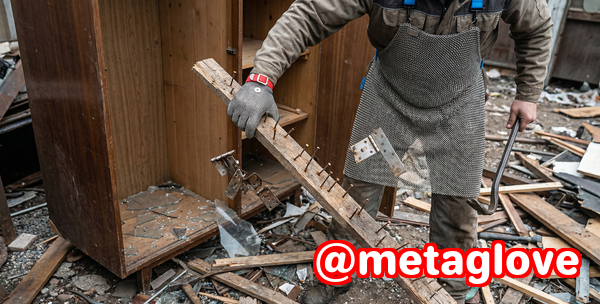
If you’re in the market for chainmail, this article is for you. I’ll walk you through the essential steps to evaluating chainmail quality and help you make informed decisions. From identifying welded rings to understanding the best stainless steel grades, you’ll learn how to spot quality materials that meet your needswhether you’re preparing for an industrial job, crafting a cosplay outfit, or adding a piece to your historical collection.
Understanding the Basics: What Makes Quality Chainmail?
Chainmail may seem like a simple product, but not all chainmail is created equal. A good understanding of its construction and materials is key to identifying top-notch products.
1. Welded Rings vs. Open Rings
The first thing to check when evaluating chainmail is whether the rings are welded or open. Welded rings are generally stronger and more durable than open rings, which are held together with a simple interlock. The durability of welded rings makes them ideal for industrial applications, where strength is critical. Open rings, on the other hand, are more commonly found in decorative pieces or lower-quality products that might not withstand the wear and tear of heavy-duty use.
2. Stainless Steel Grades: 304 vs. 316
One of the most important factors to consider is the type of stainless steel used in the chainmail. The two most common grades are 304 and 316 stainless steel.
-
304 Stainless Steel: This is the most common type of stainless steel used in chainmail. It’s resistant to corrosion in most environments and is durable enough for many uses, including cosplay and decorative applications.
-
316 Stainless Steel: This grade offers superior corrosion resistance, especially in harsh environments like food processing or industrial settings where exposure to chemicals or moisture is a concern. If you’re buying chainmail for a high-risk job or outdoor use, 316 stainless steel is your best bet.
3. Wire Thickness and Ring Diameter
The wire thickness and the inner diameter of the rings are essential in determining the overall strength and flexibility of the chainmail. Thicker wire and smaller ring diameters typically create a stronger, more resistant weave, but they can also make the chainmail less flexible. Conversely, thinner wire and larger rings offer more flexibility but may be weaker under pressure. It’s crucial to find a balance that suits your needs.
4. Weave Patterns: European 4-in-1
The weave pattern is another critical factor to assess. The European 4-in-1 weave is the most popular choice for strength and durability, featuring four rings passing through each ring in a tight, uniform pattern. This weave offers excellent protection, making it suitable for everything from industrial cut-resistant chainmail to historical reenactments.
Real-Life Examples: When Chainmail Fails and How to Prevent It
I’ve heard countless stories from buyers who purchased chainmail that turned out to be subparleading to either frustration or, in worst cases, injury. Here are a few examples:
1. Industrial Use Gone Wrong
A factory worker purchased what seemed like high-quality chainmail gloves to protect his hands from sharp machinery. After only a few days of use, the rings began to loosen, and the gloves started showing signs of wear. Upon inspection, he realized the rings weren’t welded, and the steel was a low-grade 304 that didn’t withstand the chemicals in his environment. Had he followed a proper inspection guide, he would have been better prepared to identify these issues and prevent the risk of injury.
2. Cosplay Gone Wrong
Another case I encountered was from a cosplay enthusiast who spent a lot of time and money building an intricate medieval armor set. However, when the chainmail was finally worn, the rings snapped under pressure, and the weave became loose. Upon reviewing the material, it was clear that the rings were too thin, and the weave pattern was inconsistent. Again, had the buyer inspected the weave and ring material before making the purchase, they could have avoided this frustration.
How to Inspect and Evaluate Chainmail Quality
Now that we’ve discussed some common issues, let’s dive into the steps you can take to ensure you’re getting quality chainmail.
1. Check the Material
-
304 vs. 316 Stainless Steel: For industrial and high-risk environments, 316 stainless steel is the superior choice, offering greater resistance to chemicals and moisture. For cosplay or decorative use, 304 stainless steel may suffice, but be sure to check whether the product matches the description.
2. Inspect the Rings
-
Welded vs. Open Rings: Perform a quick inspection by trying to pull the rings apart. Welded rings will not separate under pressure, whereas open rings will. If you can pry them apart, look for a stronger product.
-
Wire Thickness and Inner Diameter: Take note of the wire thicknessthicker wires generally offer greater durability, while smaller rings provide tighter, stronger weaves.
3. Evaluate the Weave Pattern
-
European 4-in-1: Look for an even, uniform weave that provides consistent coverage. Inconsistencies in the weave can compromise the overall strength of the chainmail, making it less effective for protection or durability.
4. Perform a Pull Test
A simple but effective way to check chainmail strength is the pull test. Grab a few rings and pull them in opposite directions. Quality chainmail will resist separation, while low-quality products may bend or break under pressure.
5. Look for Signs of Corrosion
If you’re purchasing chainmail that will be exposed to moisture or harsh chemicals, check for any early signs of rust or discoloration. High-quality stainless steel should resist corrosion for many years, even in tough environments.
6. Consider Your Intended Use
Not all chainmail is suitable for every application. For example, decorative chainmail used in cosplay isn’t designed to withstand the same stresses as industrial chainmail used for cut protection in food processing. Make sure you’re selecting the appropriate type for your needs.
Why Chainmail Quality Matters
I can’t stress enough how important it is to buy quality chainmail for the right use case. Choosing the wrong product can result in unsafe working conditions, damaged gear, and costly replacements. By following these simple steps to inspect your chainmail, you can make an informed decision and save yourself from unnecessary headaches down the road.
Whether you’re looking for cut-resistant chainmail for industrial use, durable options for food handling, or a lightweight set for cosplay, understanding the key indicators of quality will help you select the right product.
Conclusion: Making Informed Chainmail Purchases
After reading this guide, you should feel more confident in your ability to evaluate chainmail quality. Remember to inspect the material, check the rings for proper welding, assess wire thickness, and evaluate the weave pattern. Taking these simple steps will ensure that your purchase meets your durability and safety requirements.
I highly recommend following these steps to ensure any chainmail purchase meets safety and durability standards. Don’t rush your decisiontaking the time to inspect the product can save you money, prevent injury, and ensure you’re getting exactly what you need.
If you’re still unsure about how to identify high-quality chainmail, check out our detailed chainmail inspection guide today!
Frequently Asked Questions (FAQs)
1. How can I tell if a chainmail ring is welded or open?
Look closely at the ring. Welded rings will have a visible weld line, while open rings can be pulled apart easily.
2. Which stainless steel grade is best for long-lasting chainmail?
316 stainless steel is the best choice for durability, especially in harsh environments. For less demanding uses, 304 stainless steel is sufficient.
3. How do I inspect the weave pattern for strength?
A strong weave like European 4-in-1 will have tight, uniform rings. If the rings appear to be loose or inconsistent, the weave may not offer reliable protection.
4. What are the signs of low-quality or unsafe chainmail?
Signs include weak rings, visible rust, loose rings, inconsistent weaves, and poor craftsmanship. Always inspect the product before purchase.
5. Can decorative chainmail be used for protective purposes?
Decorative chainmail is generally not suitable for protection. It may not have the strength or durability needed for industrial use.
6. How do I choose the right chainmail for industrial vs cosplay use?
For industrial use, prioritize strength and corrosion resistance by choosing welded rings and high-grade stainless steel. For cosplay, focus on appearance, comfort, and flexibility.
Keywords: chainmail quality, welded rings, stainless steel chainmail, cut-resistant chainmail, chainmail inspection, European 4-in-1 weave, chainmail durability