
How Chainmail Boleros Improve Workplace Safety
When it comes to workplace safety, especially in industries involving heavy machinery, food processing, or even cosplay, the quality of protective gear can mean the difference between a minor accident and a major injury. I’ve seen it time and time again: people investing in what they believe to be high-quality chainmail, only to find out it doesn’t hold up when it counts. Whether you’re purchasing chainmail for industrial cut protection, cosplay, or historical reenactments, distinguishing high-quality pieces from low-quality imitations can be a real challenge.
If you’re unsure about how to evaluate chainmail for your specific needs, you’re not alone. As a buyer, a collector, or even an industrial user, ensuring the safety and durability of chainmail products is a must. So, let’s walk through the steps you can take to evaluate chainmail qualityparticularly when it comes to chainmail boleros and their role in workplace safety.
Understanding Chainmail Quality: The Basics
Before diving into inspection tips, let’s first understand what makes a high-quality chainmail product stand out. Chainmail, particularly in protective gear like boleros, is woven together from metal rings. The weave pattern, the material used, the thickness of the wire, and the type of ring (welded or open) all play critical roles in the final product’s effectiveness.
Unfortunately, many products on the market use lower-quality materials, poorly executed weaves, or even decorative imitations that are not fit for protection. Let me share a few pain points I’ve encountered along the way when purchasing or inspecting chainmail.
Common Chainmail Pain Points and How to Solve Them
1. Difficulty Differentiating Welded Rings from Open Rings
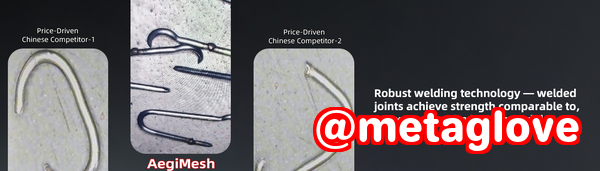
One of the most common issues I’ve faced is distinguishing between welded and open rings. Welded rings are crucial for durability and strength, as they provide a much stronger hold and won’t come undone with wear. Open rings, on the other hand, are more prone to breakage or unraveling.
Solution:
When inspecting chainmail, gently tug on the rings. If the ring slides open or feels loose, it’s likely an open ring. Welded rings should feel firm, with no gap between the edges. Pay special attention to the inner edges of the rings to see if they’ve been welded securely.
2. Uncertainty About Stainless Steel Grades
Stainless steel is the preferred material for high-quality chainmail due to its corrosion resistance and overall durability. However, not all stainless steel is created equal. The two most common grades used in chainmail are 304 and 316 stainless steel, with 316 being the more corrosion-resistant option.
Solution:
For environments where chainmail will be exposed to moisture (like food handling or high-humidity workspaces), I highly recommend looking for 316 stainless steel. It’s much more resistant to rust and corrosion compared to the more affordable 304 grade.
3. Weak or Inconsistent Weaves
Another issue is weak or inconsistent weaving. If the weave pattern is not tight or uniform, the chainmail will lose its protective properties and might even fall apart after extended use. A loose weave compromises both the durability and safety of the product.
Solution:
European 4-in-1 weave is one of the most common patterns used in chainmail for strength. When inspecting chainmail, ensure the weave pattern is tight and consistent. A strong weave should feel like a solid sheet of metal, with no gaps between the rings.
How to Inspect Chainmail Boleros for Workplace Safety
Now, let’s get to the good stuff: how you can evaluate chainmail boleros specifically to ensure they are safe and durable enough for your needs. Whether you’re in food processing, a hazardous industry, or participating in a cosplay event, the following inspection methods will help you avoid unsafe or low-quality chainmail.
1. Material Check: 304 vs. 316 Stainless Steel
As I mentioned, the material used in your chainmail makes all the difference. If you’re working in an industrial or food-processing setting, 316 stainless steel is a no-brainer. For other uses, such as cosplay, 304 stainless steel might be sufficient, but be sure to double-check the material.
How to inspect:
-
Look for a label or product description indicating the stainless steel grade.
-
If it’s not listed, feel the metal316 stainless steel tends to have a more polished, shiny appearance, whereas 304 might look a bit more matte.
2. Ring Welding: Don’t Settle for Open Rings
The strength of the bolero’s construction depends heavily on whether the rings are welded or open. Open rings can open up under pressure, compromising your safety.
How to inspect:
-
Gently pull on the rings. If any of the rings come apart, it’s a red flag.
-
Check the edges of the rings with a magnifying glass or your naked eye. Welded rings should have a smooth, consistent finish without visible gaps.
3. Weave Patterns: European 4-in-1 Weave for Durability
The strength of the weave plays a huge role in the protection offered by chainmail boleros. I’ve seen many chainmail pieces with poor or inconsistent weaves, and they just won’t hold up. For boleros, you need to look for a tight, durable weave pattern.
How to inspect:
-
European 4-in-1 is one of the strongest and most popular weave patterns for durability. Make sure the rings are interlocked and there are no gaps.
-
Run your fingers along the weave to check for any inconsistencies or weak spots.
4. Wire Thickness and Ring Diameter
If the wire used in the chainmail is too thin, the product will lose its strength. Similarly, the diameter of the rings can affect the overall integrity of the weave.
How to inspect:
-
Measure the wire thickness with a ruler or caliper. For most protective purposes, the wire should be at least 1mm thick.
-
The ring diameter should be large enough to allow the weave to remain tight and secure, but not so large that the weave becomes loose or flimsy.
5. Pull Test for Structural Integrity
One of the simplest and most effective ways to test chainmail durability is to perform a pull test. This method helps ensure that the material will hold up under stress.
How to perform a pull test:
-
Grab a small section of the bolero and pull it in different directions. If the rings shift, bend, or break under pressure, the chainmail may not be durable enough for safety purposes.
6. Signs of Corrosion or Wear
Corrosion can be a major issue, especially in environments with exposure to water or chemicals. Even a small amount of rust can compromise the chainmail’s protective abilities.
How to inspect:
-
Look for any discoloration or rough patches on the metal. Corrosion usually appears as a red or brownish stain.
-
Feel the surface of the chainmail to check for any rough spots or areas that feel weakened.
Conclusion: How to Choose High-Quality Chainmail for Workplace Safety
In my experience, it’s clear that properly inspecting chainmail boleros is critical for ensuring both safety and durability. By following these inspection methodschecking the material, welds, weave, wire thickness, and performing simple testsyou can make sure you’re getting a high-quality product that will perform when needed.
I highly recommend following these steps to ensure any chainmail purchase meets safety and durability standards. Whether you’re in an industrial setting, a food processing environment, or simply preparing for a cosplay event, don’t compromise on quality. High-quality chainmail is an investment in both safety and longevity.
To learn more about identifying high-quality chainmail products, check out our detailed chainmail inspection guide today: Aegimesh Chainmail Guide
Frequently Asked Questions
-
How can I tell if a chainmail ring is welded or open?
-
Gently pull on the rings. Welded rings will not come apart, while open rings will.
-
-
Which stainless steel grade is best for long-lasting chainmail?
-
316 stainless steel is the best choice for environments with exposure to moisture or corrosive elements.
-
-
How do I inspect the weave pattern for strength?
-
Look for tight, uniform interlocking rings. The European 4-in-1 weave is a strong and reliable pattern for chainmail.
-
-
What are the signs of low-quality or unsafe chainmail?
-
Weak or inconsistent weaves, open rings, thin wire, and visible signs of corrosion are all indicators of low-quality chainmail.
-
-
Can decorative chainmail be used for protective purposes?
-
While decorative chainmail may look good, it usually doesn’t provide the durability or strength needed for protective purposes.
-
-
How do I choose the right chainmail for industrial vs. cosplay use?
-
For industrial uses, focus on durability and corrosion resistance (316 stainless steel). For cosplay, aesthetic and comfort may be more important, but ensure the chainmail still has good structural integrity.
-
-
Can chainmail boleros be used for cut protection?
-
Yes, chainmail boleros made from high-quality welded stainless steel can provide excellent cut protection in industrial and food-processing settings.
-
Tags: chainmail quality, welded rings, stainless steel chainmail, cut-resistant chainmail, chainmail inspection, European 4-in-1 weave, chainmail durability