
Chainmail Boleros That Balance Mobility and Protection
When you’re looking for a piece of chainmail to add to your collection, or perhaps for protection on the job, how do you tell if it’s genuinely high-quality? Whether you’re a buyer, a collector, an industrial user, or a cosplayer, choosing the right chainmail product is more challenging than simply selecting a stylish piece. There are several factors to consider, and unfortunately, many products out there look great but fail in terms of durability, safety, or overall value.
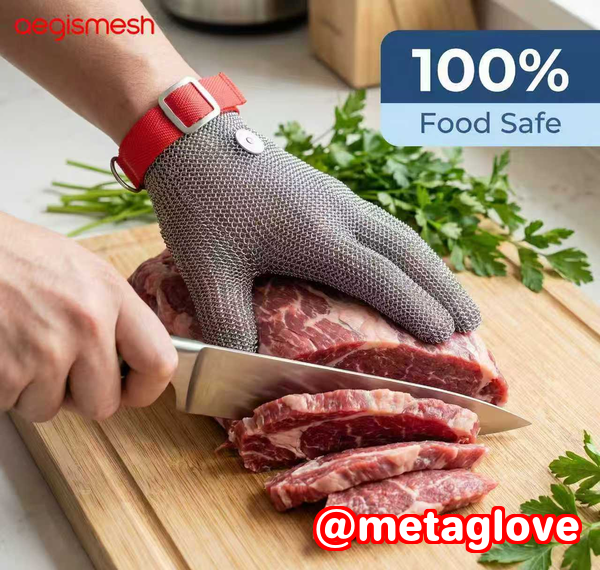
I’ve been there before, unsure if that beautiful chainmail bolero would hold up under pressure or if the craftsmanship was truly top-notch. After all, it’s not just about lookschainmail serves a purpose, whether it’s protective or decorative. In this guide, I’ll walk you through how to identify high-quality chainmail boleros that balance both mobility and protection, specifically highlighting essential factors like material choice, ring welds, wire thickness, and weave patterns.
Common Pain Points When Evaluating Chainmail Quality
Finding high-quality chainmail isn’t always easy. Even if you’re familiar with the look of chainmail, there are hidden details that could indicate poor craftsmanship or unsafe materials. Many buyers struggle with the following:
-
Identifying the Ring Type: Welded vs Open Rings
While open rings may seem sturdy at first glance, they are less durable than welded rings. Open rings tend to separate over time, leading to gaps in the armor that compromise both its appearance and effectiveness. If you’re purchasing chainmail for protectionwhether for industrial use or historical reenactmentsopt for welded rings for the highest durability.
-
Choosing the Right Stainless Steel Grade
Stainless steel grades vary widely, but the two most common grades for chainmail are 304 and 316. While both are highly resistant to corrosion, 316 stainless steel offers superior protection against rust, making it ideal for chainmail that will be exposed to moisture, such as in industrial settings or food handling. If you’re unsure about the quality of the steel, always ask the manufacturer for specifics.
-
Weak or Inconsistent Weaves
One of the most important factors in assessing chainmail is the weave pattern. A strong weave, like the European 4-in-1, ensures that the rings interlock tightly and provide excellent protection. If you notice any gaps in the weave or inconsistent ring sizes, it could be a sign of subpar craftsmanship. A poor weave can significantly reduce the protective qualities of chainmail, especially in environments where safety is a concern.
How to Inspect Chainmail Quality Like a Pro
I’ve learned through experience that a proper inspection is key to making a smart purchase. You don’t need to be a chainmail expert to perform a thorough inspectionjust a few simple steps can help you identify the difference between a high-quality product and a low-quality imitation.
1. Check the Material Type
Start by determining whether the chainmail is made of high-quality stainless steel. Most reputable manufacturers will offer either 304 or 316 stainless steel, with 316 being the superior option due to its corrosion resistance. If you’re purchasing chainmail for industrial use or food handling, stainless steel is your best choice, as it resists rust and won’t corrode in contact with moisture.
Quick Tip: If the seller doesn’t specify the type of stainless steel, ask! A reputable seller will be transparent about the material they use.
2. Inspect the Rings: Welded vs Open
As mentioned earlier, welded rings are generally the better option for long-lasting, protective chainmail. Inspect each ring closely. If there’s any gap in the ring where it’s supposed to be welded shut, you’ve probably got an open-ring product, which is less durable. A simple tug test can also helpgently pull on a few rings. If any come apart, the rings are likely open.
Quick Tip: Look for tight, seamless welds that should feel sturdy. You can test the strength of the welds by giving the ring a slight tug, but avoid using excessive force.
3. Check the Wire Thickness and Inner Diameter
The thickness of the wire used in the chainmail is another key indicator of quality. Thicker wire tends to hold up better against stress and wear, making it ideal for chainmail that will be used in protective settings. Similarly, the inner diameter of each ring affects the overall durability of the weave. Too large, and the rings will shift or slide, weakening the weave. Too small, and it might restrict movement or compromise mobility.
Quick Tip: Try using calipers to measure the wire thickness and inner diameter. A well-crafted piece will have consistent measurements throughout the garment.
4. Evaluate the Weave Pattern
Weave patterns are more than just decorativethey play a crucial role in ensuring the chainmail provides adequate protection. One of the most popular and effective weave patterns is the European 4-in-1, which offers a balanced combination of strength and flexibility. If the weave is inconsistent, you could be dealing with a poorly made product that might not offer the protection you need. Look for a uniform and tight weave, free from gaps or irregularities.
Quick Tip: If the pattern looks loose or uneven, it could indicate that the craftsmanship is lacking.
Why These Inspections Matter
Properly inspecting chainmail is not just about ensuring it looks goodit’s about safety, durability, and making an informed investment. For example, if you’re buying chainmail for industrial use, a weak weave or low-quality rings could leave you vulnerable to cuts and abrasions, compromising your safety on the job. Similarly, low-quality chainmail used in cosplay or historical reenactments could fall apart more quickly than you expect, leaving you with wasted money and frustration.
Benefits of Proper Chainmail Inspection:
-
Ensures Safety: High-quality chainmail provides the cut-resistance needed for industrial and food-handling applications.
-
Maximizes Durability: Durable chainmail means it lasts longer, saving you money in the long run.
-
Avoids Wasted Money: Spotting low-quality products early on prevents you from spending on chainmail that’s fragile or unsafe.
Quick Tips for Identifying Low-Quality Chainmail:
-
Gaps in the weave or uneven rings
-
Corrosion or rust on stainless steel parts
-
Weak, open rings that can be pulled apart easily
-
Excessively lightweight wire or flimsy rings
-
Inconsistent wire thickness or inner diameter
Conclusion: How to Ensure Your Chainmail Is Up to Standard
When it comes to chainmail, whether you’re buying for industrial purposes, cosplay, or display, you should never compromise on quality. By taking the time to inspect the material, ring welds, wire thickness, and weave pattern, you can avoid purchasing unsafe or subpar products.
I highly recommend following these steps to ensure any chainmail purchase meets safety and durability standards. Remember, quality chainmail is an investment that will protect you and serve its purpose for years to come.
Want to learn more about identifying high-quality chainmail products? Check out our detailed chainmail inspection guide today.
FAQ
1. How can I tell if a chainmail ring is welded or open?
Welded rings are sealed shut, while open rings will show a gap where the two ends meet. You can perform a simple tug test to see if the rings hold together tightly.
2. Which stainless steel grade is best for long-lasting chainmail?
316 stainless steel is the best choice for durability and corrosion resistance, especially in industrial or food-processing environments. 304 stainless steel is still a good option for decorative or lightweight chainmail.
3. How do I inspect the weave pattern for strength?
Look for a tight, uniform weave with no gaps or inconsistencies. A good weave, like the European 4-in-1, should have rings that interlock tightly without shifting.
4. What are the signs of low-quality or unsafe chainmail?
Weak welds, open rings, inconsistent wire thickness, and a loose or uneven weave all indicate low-quality chainmail that may not provide adequate protection.
5. Can decorative chainmail be used for protective purposes?
Decorative chainmail is typically not as durable as functional chainmail, so it might not offer the same level of protection. If you need chainmail for safety, always opt for high-quality, welded rings and a solid weave pattern.
6. How do I choose the right chainmail for industrial vs cosplay use?
For industrial use, focus on chainmail made from 316 stainless steel with a strong, tight weave like European 4-in-1. For cosplay, lighter, decorative chainmail made from 304 stainless steel can suffice, though it won’t provide as much protection.
Tags
-
chainmail quality
-
welded rings
-
stainless steel chainmail
-
cut-resistant chainmail
-
chainmail inspection
-
European 4-in-1 weave
-
chainmail durability