
Chainmail Boleros for Demanding Work Conditions
When it comes to selecting the right protective gear for demanding work environments, there’s a lot more to chainmail than meets the eye. Whether you’re a cosplayer, collector, or someone who relies on chainmail for industrial applications, it’s crucial to understand what makes one product stand out from another. Often, the line between durable, high-quality chainmail and unsafe, flimsy versions can be hard to spot, and that’s where the real challenge lies.
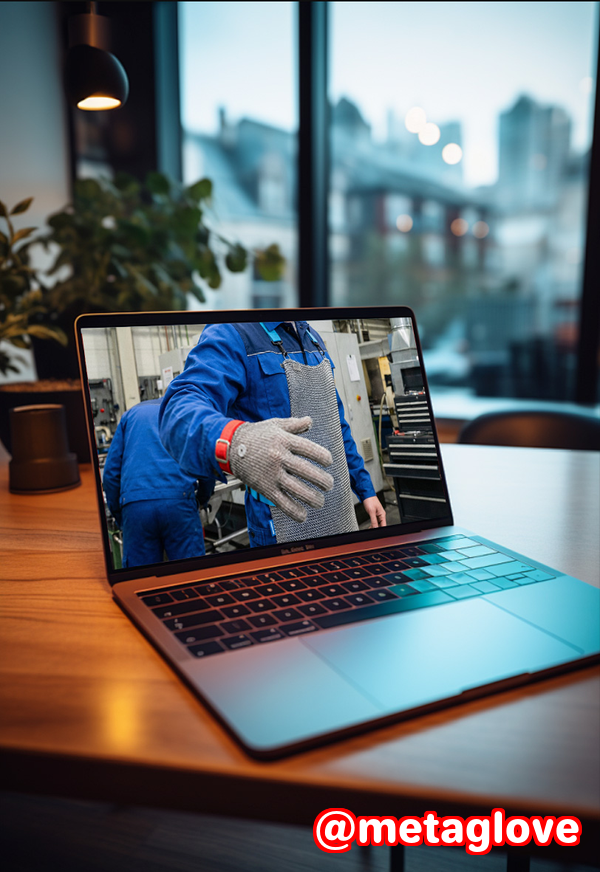
I’ve had my own share of struggles with identifying chainmail products that are truly up to par. It’s all too easy to fall for a beautiful but low-quality piece, especially when dealing with intricate designs and shiny materials. However, getting the right chainmail can mean the difference between protection or injury, or even between an amazing cosplay and a cheap imitation. So, what should you be looking for when buying chainmail, and how can you ensure you’re getting a product that meets safety and durability standards?
In this post, I’m going to walk you through the most important factors to consider when evaluating chainmail, whether you’re looking for something for industrial use, cosplay, or as a collector’s item. With these simple steps, you’ll be able to distinguish high-quality, genuine chainmail from low-quality products and make sure your purchase is both safe and durable.
Understanding Chainmail Quality
When it comes to chainmail, quality isn’t just about the look or the weightit’s about the materials, the construction, and the wearability of the product. As someone who’s been in the game for a while, I’ve learned the hard way that just because a chainmail product looks shiny and seems sturdy doesn’t mean it’s safe or durable enough for real-world use.
Here are a few key factors to evaluate when inspecting chainmail:
1. Welded vs. Open Rings: The First Red Flag
One of the first things I learned is how to tell the difference between welded rings and open rings. Why does this matter? Simply put, welded rings offer far better durability and safety than open rings. Open rings tend to pull apart under stress, weakening the structure of the chainmail. For protective purposes, like industrial cut resistance, welded rings are a must.
Tip: Hold a ring between your fingers and gently try to pull it apart. If it opens, it’s not welded, and I’d consider looking for something more reliable.
2. Stainless Steel Grades: 304 vs. 316
Another key point is understanding the grade of stainless steel used in the chainmail. Not all stainless steel is created equal. For most industrial and professional uses, 316 stainless steel is your best option. It’s corrosion-resistant and performs better in harsh conditions. However, 304 stainless steel is often used in decorative or lighter-duty products like cosplay pieces.
Tip: Check the product description or ask the seller for the steel grade. When in doubt, 316 stainless steel is a safer bet, especially for heavy-duty use.
3. Wire Thickness and Ring Diameter
If you’ve ever handled chainmail, you know that the wire thickness and the diameter of the rings play a huge role in the overall strength of the weave. Thicker wire and properly sized rings help the weave hold up under stress. But don’t make the mistake of assuming that bigger is always bettertoo thick a wire can make the chainmail too stiff and uncomfortable to wear, especially if you need it for long hours of work.
Tip: Look for products with wire thickness that feels right for your intended use. For cut-resistant chainmail, a balance between comfort and durability is key.
4. Weave Pattern: The Importance of European 4-in-1
I can’t stress this enough: the pattern of the weave matters. There are several types of weaves, but the European 4-in-1 is a classic for a reason. This weave pattern is extremely strong and provides a high level of protection while maintaining flexibility and comfort. It’s a great choice for industrial use or even cosplay that requires durability.
Tip: Check the weave pattern closely. If it’s a tight, consistent pattern with no gaps, you’re looking at a high-quality product.
Why Quality Inspection Is Crucial
Now that we’ve covered what to look for in the materials and construction, let’s talk about why a thorough inspection is essential. For starters, safety is the number one concern when it comes to chainmail for industrial or protective use. Low-quality chainmail can break or fail at critical moments, which is exactly what you want to avoid.
Protecting Against Injury
If you’re buying chainmail for protectionwhether it’s for food processing, industrial work, or something elseyou need to ensure the product is up to the task. Low-quality chainmail may offer some protection at first, but over time, it could become weaker and fail. This could leave you exposed to sharp tools, machinery, or other hazards.
Ensuring Durability for Long-Term Use
Even if you’re using chainmail for cosplay or as a collector’s item, the durability of the weave is crucial. There’s nothing worse than getting your hands on a beautiful piece only to have it fall apart after a few wears. It’s a waste of money, and it’s frustrating when that happens.
Avoiding Costly Mistakes
A little time spent inspecting your chainmail can save you a lot of money in the long run. By ensuring you’re getting a high-quality product from the start, you avoid the costs of replacing faulty items or dealing with potential safety issues.
Step-by-Step Chainmail Inspection Guide
Here’s my personal, step-by-step guide for inspecting chainmail before you buy:
1. Inspect the Material
-
Always check for the stainless steel grade: 304 or 316.
-
Look for any visible signs of corrosion or rust (especially on lower-quality chainmail).
2. Check the Welds
-
Run your fingers over the rings. If they feel sharp or rough, they might not be welded properly.
-
Perform the pull test: gently tug on the rings to see if they stay in place or come apart.
3. Evaluate the Weave
-
Check the pattern: European 4-in-1 should look tight and symmetrical.
-
Make sure the rings are consistent in size, and there are no gaps in the weave.
4. Test the Fit
-
If you’re buying chainmail for cosplay or historical purposes, make sure it fits well. For industrial use, check if it’s comfortable to wear for long periods of time.
5. Look for Manufacturer Certifications
-
Some manufacturers will offer certifications or documentation verifying the quality and material specifications of their chainmail. This is especially important for industrial or food-processing applications.
Conclusion: Ensuring Safe and Durable Chainmail
After going through these steps, you’ll be able to identify chainmail that’s genuinely durable and safe. Whether you’re a collector, a cosplayer, or someone who needs chainmail for work, I highly recommend taking the time to inspect the material, welds, and weave pattern before making a purchase. These simple steps will ensure you’re getting a product that meets safety standards and won’t let you down.
Learn more about identifying high-quality chainmail products: https://www.aegimesh.com/
Check out our detailed chainmail inspection guide today.
Frequently Asked Questions
How can I tell if a chainmail ring is welded or open?
To test if a ring is welded, gently try to pull it apart. If it stays intact, it’s welded. If it opens up, it’s not.
Which stainless steel grade is best for long-lasting chainmail?
For industrial and heavy-duty use, 316 stainless steel is the most durable and corrosion-resistant. For lighter, decorative uses, 304 stainless steel is sufficient.
How do I inspect the weave pattern for strength?
Look for a tight, consistent weave with no gaps. The European 4-in-1 pattern is known for providing strong protection and durability.
What are the signs of low-quality or unsafe chainmail?
Poor welds, signs of corrosion, inconsistent ring sizes, and weak or loose weaves are all signs that the chainmail may be unsafe or low-quality.
Can decorative chainmail be used for protective purposes?
Decorative chainmail is usually made with lighter materials and may not offer the same level of protection as industrial-grade chainmail. Always check the grade of the steel and the weave pattern for safety.
How do I choose the right chainmail for industrial vs cosplay use?
For industrial use, prioritize 316 stainless steel, welded rings, and a strong, tight weave like European 4-in-1. For cosplay, look for comfort and flexibility, and don’t be afraid to choose a slightly lighter material if it’s for short-term wear.