
Chainmail Arm Guards for High-Speed Knife Work: A Comprehensive Guide to Quality Evaluation
When purchasing chainmail for protection, especially for high-speed knife work, it’s easy to feel overwhelmed by the sheer number of options available. From industrial use to cosplay, chainmail products vary widely in quality, and distinguishing a truly durable, high-performance piece from a cheap imitation can be tricky. Whether you’re a butcher, chef, collector, or even a cosplayer, understanding how to evaluate chainmail quality is crucial in ensuring you get the protection or aesthetic you’re afterwithout wasting your hard-earned money.
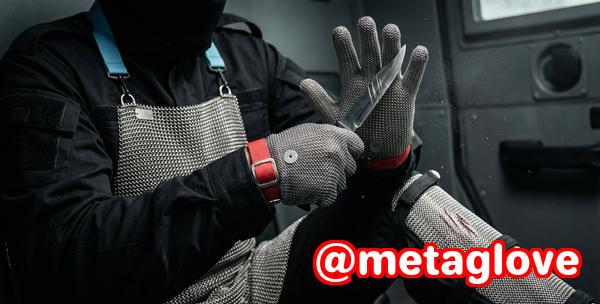
In this guide, I’ll take you through practical steps to help you assess the quality of chainmail arm guards, especially when they’re used for demanding tasks like high-speed knife work. I’ll explain how to inspect welded rings, check stainless steel grades, assess weave patterns, and more. Let’s dive in.
Understanding Chainmail for High-Speed Knife Work
When you’re handling sharp tools, such as in a butcher shop or industrial setting, the importance of wearing reliable, cut-resistant gear can’t be overstated. But how do you know that the chainmail arm guards you’re considering for protection are up to the task? Do they provide the durability and resistance you need, or are they merely for show?
Here are some of the challenges people face when evaluating chainmail for such high-performance uses:
-
Weak or low-quality construction: Some chainmail products look robust but fall short in terms of durability, leaving you vulnerable to cuts and injuries.
-
Poor material quality: Not all stainless steel is created equal. Different grades offer varying levels of corrosion resistance and overall strength.
-
Inconsistent weaves: Some chainmail weaves might not be as strong as they appear, compromising the level of protection they offer.
So, how do we avoid these pitfalls and ensure that our chainmail arm guards can stand up to high-speed knife work? The key lies in understanding how to inspect and evaluate the essential elements that determine quality.
Common Pain Points in Chainmail Evaluation
Let’s break down some of the most common concerns that buyers face when evaluating chainmail arm guards, and how you can avoid making these mistakes.
1. Welded Rings vs. Open Rings
One of the most common problems I’ve seen is difficulty distinguishing between welded rings and open rings. Welded rings are far stronger and more durable, making them the preferred choice for any serious chainmail application, especially in high-speed environments like food processing.
To make sure you’re getting welded rings:
-
Inspect the ring closure: Welded rings have a smooth, continuous edge with no gaps. If the ends of the ring are not fused together, you’re looking at an open ring, which is weaker and more likely to fail under stress.
-
Perform a simple pull test: Gently tug on individual rings. If the ring feels loose or weak, it’s likely an open ring or poorly welded.
2. Stainless Steel Grades: 304 vs. 316
Another key factor in chainmail quality is the grade of stainless steel used. For applications like high-speed knife work, you need to know the difference between 304 and 316 stainless steel.
-
304 Stainless Steel: This is a standard, general-purpose stainless steel. While it offers some resistance to corrosion, it’s less durable than 316, especially in environments exposed to harsh conditions like salty air or frequent washing.
-
316 Stainless Steel: This is the premium choice. Known for its exceptional corrosion resistance, 316 stainless steel performs much better in high-wear environments. For industrial applications where chainmail is exposed to cutting tools and moisture, 316 is the ideal material.
3. Inconsistent Weave Patterns
The weave pattern used in the construction of chainmail plays a huge role in its overall strength and durability. One of the strongest weave patterns for industrial-grade chainmail is European 4-in-1. This weave pattern ensures each ring is connected to four others, creating a more resilient structure.
To evaluate the weave:
-
Look for evenness: A good European 4-in-1 weave will have a uniform pattern with no gaps or loose rings.
-
Check for flexibility: The rings should move with ease but not feel too loose, as this can be a sign of poor craftsmanship.
4. Wire Thickness and Ring Diameter
A common mistake is overlooking wire thickness and ring diameter when assessing chainmail quality. These factors directly impact the strength of the chainmail. If the wire is too thin or the rings are too large, the chainmail may not offer sufficient protection.
-
Check wire thickness: A thicker wire increases the strength of each ring and, consequently, the overall durability of the chainmail. A thicker wire is also less likely to break or bend under stress.
-
Inspect ring diameter: The diameter of the rings should be consistent throughout. If the rings are too large or inconsistent, the chainmail may not offer the protection needed for high-speed knife work.
The Benefits of Proper Chainmail Inspection
Properly inspecting chainmail can save you from costly mistakes, both in terms of money and safety. By following these steps:
-
You ensure your safety: Whether it’s for industrial work, food handling, or cosplay, quality chainmail guarantees better protection against cuts and abrasions.
-
You avoid unsafe products: Chainmail that isn’t properly made can break under pressure, leading to serious injuries in high-speed environments.
-
You save money: By knowing what to look for, you can avoid purchasing low-quality chainmail that won’t last, ensuring you invest in long-lasting products.
How to Inspect and Verify Chainmail Quality: Step-by-Step
Let’s walk through the process of inspecting chainmail, focusing on the most critical areas for evaluating arm guards used in high-speed knife work.
-
Inspect the Material Type: Always check if the product is made from 304 or 316 stainless steel. 316 is the superior choice for its corrosion resistance and durability.
-
Check the Rings: Gently tug on each ring. Are they welded shut, or do they open up? If they’re welded, the chainmail will be far stronger.
-
Examine the Weave: Look for an even European 4-in-1 weave. A sturdy weave pattern ensures the overall strength of the chainmail.
-
Wire Thickness and Ring Size: Feel the wire. Is it thick and sturdy, or thin and flimsy? Thicker wire means stronger protection. Also, ensure the rings are appropriately sized for the intended use.
-
Corrosion Test: Check for any signs of rust or discoloration. This can be a sign of low-quality steel or improper care.
By following these steps, you’ll be equipped to assess whether a chainmail product is truly up to the task of providing reliable, long-lasting protection.
Conclusion: How to Ensure Your Chainmail Purchase Meets Safety and Durability Standards
At the end of the day, I highly recommend following these steps to ensure any chainmail purchase meets safety and durability standards. Whether you’re using it for high-speed knife work in an industrial setting or for cosplay, understanding how to inspect chainmail can save you money, protect you from harm, and ensure you’re getting the best quality available.
If you’re looking for high-quality chainmail that meets rigorous standards, I invite you to check out our full guide and detailed inspection tool at Aegimesh Chainmail.
FAQ
-
How can I tell if a chainmail ring is welded or open?
-
Simply inspect the ends of the ring. If they’re fused together with no gaps, it’s welded. If you can see a break or open area, it’s open.
-
-
Which stainless steel grade is best for long-lasting chainmail?
-
316 stainless steel is the best for durability, especially in environments with exposure to moisture or chemicals.
-
-
How do I inspect the weave pattern for strength?
-
Look for an even European 4-in-1 pattern. A tight, uniform weave ensures strength.
-
-
What are the signs of low-quality or unsafe chainmail?
-
Poor ring closure, inconsistent weave patterns, and rust or corrosion are signs of low-quality chainmail.
-
-
Can decorative chainmail be used for protective purposes?
-
Decorative chainmail is typically not strong enough for high-risk applications. Always ensure it’s made with high-quality materials and the correct weave pattern for protection.
-
-
How do I choose the right chainmail for industrial vs. cosplay use?
-
For industrial use, prioritize 316 stainless steel with welded rings and a strong weave like European 4-in-1. For cosplay, aesthetics may be more important, but durability should still be considered for long-term wear.
-
Tags or Keywords
-
chainmail quality, welded rings, stainless steel chainmail, cut-resistant chainmail, chainmail inspection, European 4-in-1 weave, chainmail durability