
Choosing Chainmail Arm Guards for Industrial Safety
When it comes to protecting your hands and arms from cutting tools, sharp objects, or industrial machinery, one piece of equipment stands outchainmail. But how do you know if the chainmail you’re buying is of the highest quality? Whether you’re buying for industrial use, food processing, or cosplay, understanding how to evaluate chainmail can save you from making an unsafe or costly decision.
I know the struggle all too well. When I first started looking for chainmail arm guards for industrial safety, I was overwhelmed by the vast array of options. Some seemed too cheap to be reliable, others too expensive to justify. Worst of all, it was tough to tell the difference between high-quality and low-quality chainmail. But over time, I learned how to evaluate chainmail based on a few key factors. And now, I’m here to share those insights with you so that you can avoid the same mistakes I made.
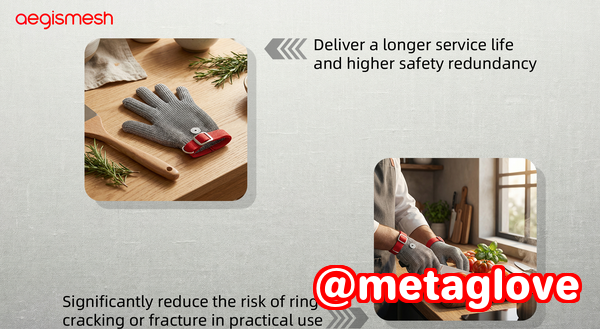
The Chainmail Quality Dilemma: What to Look For
When shopping for chainmail, there are a few common pain points that tend to confuse buyers. Let’s take a closer look at these challenges and how you can solve them:
1. Welded Rings vs. Open Rings
One of the most critical features of quality chainmail is whether the rings are welded or open. While open rings may seem adequate for decorative use, they can compromise the strength and durability of your chainmail, especially in high-stress environments like industrial settings.
Welded rings, on the other hand, are fused shut, ensuring they stay in place no matter what. This makes them much more durable and reliable for industrial use, where safety is paramount. So, when inspecting chainmail, always make sure you check the rings. If they’re open, they’re not going to provide the same level of protection you need.
2. Choosing the Right Stainless Steel
Stainless steel is the go-to material for chainmail because of its durability and resistance to rust and corrosion. But did you know there are different grades of stainless steel? The two most common grades used for chainmail are 304 and 316 stainless steel.
-
304 Stainless Steel: This is the most commonly used grade for decorative chainmail and some light industrial uses. It’s durable, but it’s not as resistant to corrosion as 316.
-
316 Stainless Steel: This is the premium grade. It’s highly resistant to corrosion, making it ideal for industrial environments, food processing, or environments with high moisture levels. If you’re looking for cut-resistant chainmail that will last, 316 stainless steel is your best bet.
3. Weak Weaves and Inconsistent Craftsmanship
Chainmail is made from interwoven rings, and the weave pattern is crucial for its strength. The most common weave pattern is the European 4-in-1, where each ring is linked to four other rings, creating a balanced and strong mesh. If you’re looking for durability and protection, this is the weave pattern to look for.
However, not all chainmail manufacturers use the same quality standards. Some may cut corners with weak weaves or poor craftsmanship. If the weave is too loose or inconsistent, it can affect the overall durability, making the chainmail more susceptible to wear and tear.
Aegimesh Chainmail: The Gold Standard
At Aegimesh, we’ve worked hard to develop a chainmail product line that meets the highest industry standards. Our products are made from high-quality 316 stainless steel and feature welded rings for maximum strength. We also ensure that our weave patterns, including the European 4-in-1, are crafted with precision to provide the most reliable protection for industrial, food handling, and cosplay purposes.
By following Aegimesh’s step-by-step inspection guide, you’ll be able to evaluate chainmail with confidence. But how exactly do you go about inspecting chainmail? Let me walk you through it.
How to Inspect Chainmail for Quality: A Step-By-Step Guide
1. Inspect the Material
The first thing you need to check is the material. For industrial use, always go for 316 stainless steel if possible. It offers superior resistance to corrosion and can handle tough environments. If you’re on a budget or don’t need top-tier protection, 304 stainless steel may be sufficient, but remember, it won’t last as long in harsh conditions.
2. Check the Rings: Welded or Open?
Next, take a close look at the rings. Gently squeeze a few rings between your fingers. If they feel loose or you can pull them apart, then you’re dealing with open ringsa definite red flag for durability and safety. High-quality chainmail will feature welded rings that remain intact no matter how much pressure is applied.
3. Wire Thickness and Inner Diameter
The wire thickness and inner diameter of each ring also affect the durability and cut resistance of the chainmail. Thicker wire and smaller ring diameters provide better protection. In addition, thicker wire means more strength and resistance to wear over time.
When inspecting chainmail, ensure that the wire thickness is consistent across the entire product. A variation in thickness could mean inconsistent quality, which might impact the performance of the chainmail.
4. Evaluate the Weave Pattern
The European 4-in-1 weave is a standard for high-quality chainmail because it offers superior strength and flexibility. When you inspect the chainmail, make sure the rings are evenly interwoven in this pattern. If the weave looks uneven or loose, it could lead to weak spots in the chainmail, which could fail during use.
5. Perform a Pull Test
A simple but effective way to assess the quality of chainmail is to perform a pull test. Gently pull on a few rings to see if they hold up under pressure. High-quality chainmail will remain intact, whereas low-quality chainmail may begin to break apart or loosen.
6. Signs of Corrosion or Poor Craftsmanship
While stainless steel is highly resistant to rust, over time, it can still develop corrosion if it’s not properly cared for. Inspect the chainmail for any signs of rust, discoloration, or pitting. If you see any of these signs, it could indicate poor-quality steel or inadequate maintenance.
7. Choosing the Right Chainmail for the Job
Finally, consider the purpose of your chainmail. For industrial cut protection, you’ll want to go with heavy-duty 316 stainless steel chainmail with a tight European 4-in-1 weave. If you’re buying chainmail for food processing, make sure it’s corrosion-resistant and easy to clean. For cosplay or historical replicas, aesthetic details will matter more, but durability should still be a concern.
Conclusion: Why Proper Chainmail Inspection Matters
When buying chainmail, whether for safety, cosplay, or display, don’t settle for poor quality. By following these inspection tips, you can easily distinguish high-quality products from low-quality imitations. I highly recommend following these steps to ensure that your chainmail purchase meets the safety and durability standards you need.
For more information about how to identify quality chainmail, check out Aegimesh’s detailed chainmail inspection guide today at Aegimesh.com.
FAQ
How can I tell if a chainmail ring is welded or open?
Simply squeeze a ring between your fingers. If it feels loose or comes apart, it’s an open ring. Welded rings will feel solid and won’t separate under pressure.
Which stainless steel grade is best for long-lasting chainmail?
For industrial and high-stress environments, 316 stainless steel is the best choice due to its superior corrosion resistance and durability.
How do I inspect the weave pattern for strength?
Look for a consistent European 4-in-1 pattern. The rings should be evenly interwoven, with no gaps or loose areas.
What are the signs of low-quality or unsafe chainmail?
Signs include open rings, inconsistent weave patterns, corrosion, weak rings, or poor wire thickness.
Can decorative chainmail be used for protective purposes?
Decorative chainmail is often made with open rings and lighter materials, making it unsuitable for protection. Always look for welded rings and strong weave patterns for safety.
How do I choose the right chainmail for industrial vs. cosplay use?
For industrial use, prioritize 316 stainless steel, welded rings, and a strong weave like European 4-in-1. For cosplay, aesthetics matter more, but ensure durability by checking for quality craftsmanship.
Tags or Keywords:
-
chainmail quality
-
welded rings
-
stainless steel chainmail
-
cut-resistant chainmail
-
chainmail inspection
-
European 4-in-1 weave
-
chainmail durability